La Prensa Bilinque April 2026
A Community United: Building Bridges Between Marginalized Groups for Justice and Safety
By Robert Lloyd
In a time when division and distrust often seem to dominate headlines, efforts to build bridges between marginalized communities stand as a beacon of hope. I am a Black man committed to social and political justice, and I believe that the strength of our democracy lies in standing together to protect the most vulnerable among us. This belief has driven my outreach efforts, inspired by community action I witnessed in Minneapolis and fueled by the desire to protect and empower diverse populations in my hometown of Spokane, Washington. Here’s what has been accomplished so far and what I envision for the futur
Standing Up Against Injustice: The Minneapolis Example
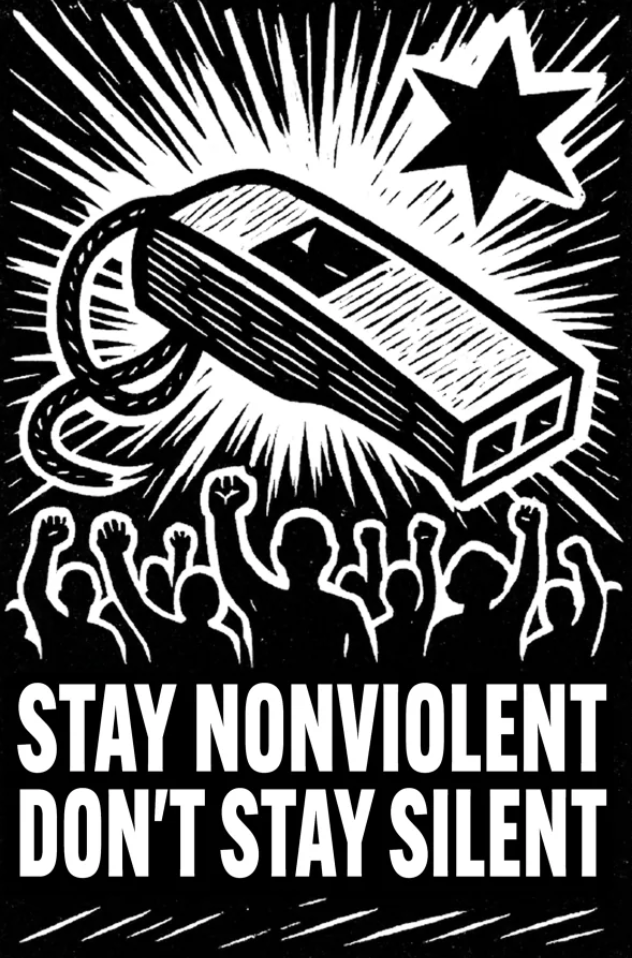
In 2026, in the news I saw something extraordinary in Minneapolis. ICE officers, Border Patrol agents, and unidentified individuals—some wearing masks and clothing without identification—were detaining people on the streets without justification. This was not new; I had long observed systemic injustices in the United States. But this time, the community took action. Local residents blew whistles to alert others, brought cameras to bear witness, and exposed the truth through videos that dismantled the government’s narrative. This grassroots organizing reminded me of the power of collective action and inspired me to bring that same spirit of solidarity to Spokane.
Building Bridges in Spokane: Reaching Out to Marginalized Communities
Spokane, though a smaller city, is home to a diverse array of cultures and communities. Recognizing the need to protect and connect with marginalized groups, I developed a plan to foster safety, trust, and shared advocacy. Here’s what I have done so far:
1. Connecting With Cultural Hubs
Using online tools, I identified over 30 Mexican/Latino restaurants in the area. I visited these establishments, spoke with management, and introduced the concept of community whistles—small, multicolored whistles with “communitywhistle.com” printed on them. These whistles symbolize unity and serve as a tool for alerting others to danger or injustice. Through conversations, I shared the story of Minneapolis and explained the importance of standing together to resist fear and oppression. Managers eagerly accepted whistles for their staff and community members.
2. Reaching Religious Communities
Restaurant staff informed me of local churches with significant Latino congregations. These became my next stops. My goal was not only to distribute whistles but also to ask a critical question: “What can our community do to support yours?” By offering resources and connections to organizations that care, I sought to build trust and offer tangible support.
3. Engaging in Civic Spaces
At a city council meeting addressing Black history and Dr. Martin Luther King Jr.’s legacy, I encountered a robust turnout from the Black community. I distributed 150 whistles, encouraging attendees to use them as symbols of collective action and empowerment.
4. Collaborating With Educational Institutions
Universities and community colleges are vital hubs for multicultural engagement. I connected with multicultural programs, Black student unions, and art departments at Spokane Community College (SCC), Spokane Falls Community College (SFCC), Eastern Washington University (EWU), and Whitworth College to distribute whistles and foster dialogue.
5. Outreach to Community Centers and Barbershops
I visited spaces that serve diverse populations, including the Martin Luther King Jr. Center, the Carl Maxey Center, and the Latino Community Center. Barbershops with Black and multicultural clientele also became key points of connection. In all these spaces, the message was the same: we are stronger together, and no one should stand alone
6. Creative Outreach
At a fundraising luncheon for The Fig Tree, a nonprofit publication promoting justice and inclusivity, I placed whistles on tables to spark conversation and spread awareness.
Looking Ahead: Plans for Future Outreach
The journey is far from over. Building bridges and fostering solidarity is an ongoing process. My future plans include:
1. Expanding Community Participation
Encouraging others in the community to distribute whistles and share the message of unity and safety. The more people involved, the greater our impact.
2. Door-to-Door Outreach
Visiting homes with political signs or social justice messages to invite residents to participate in the whistle campaign and share them with their neighbor
3. Listening and Adapting
Waiting for feedback from the communities I’ve reached and adjusting my approach based on their needs and suggestions. This is about collaboration, not imposition.
A Call to Action: Standing Together for Justice
As a Black man, I know the pain of marginalization, and I know that the fight for justice is not won alone. My outreach to the Latino community is just one example of what is possible when we reach across divides and unite for a common cause. Together, we can create a fabric of solidarity that resists fear, empowers the vulnerable, and builds a safer, more inclusive society.
To my fellow marginalized communities: let us continue to find strength in our shared experiences and work together to ensure that all voices are heard, all lives are valued, and no one is left behind. The road ahead requires courage, compassion, and collaboration—but I believe in the power of our communities to rise to the challenge.
This article is a testament to the work we’ve done so far and an invitation to others to join in this vital mission. Together, we can create a world where everyone feels safe, supported, and valued.