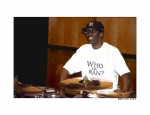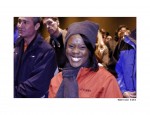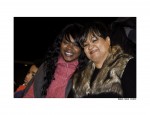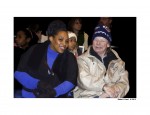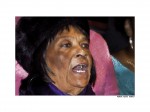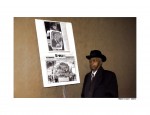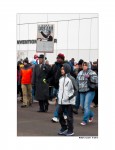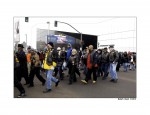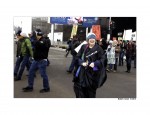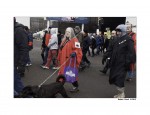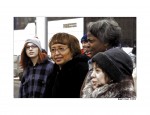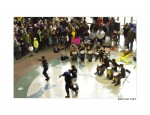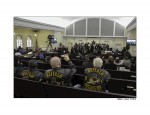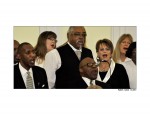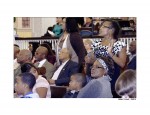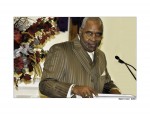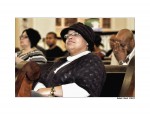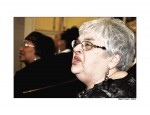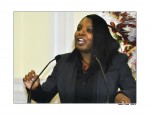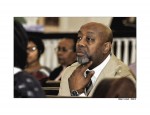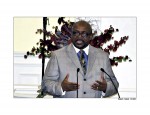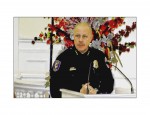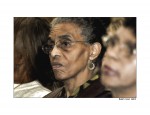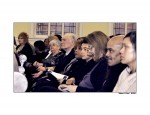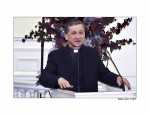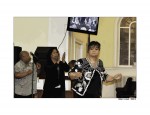
Dr. Martin Luther King Day Celebration 2013 Spokane WA

Annual Unity March Monday January 21 2013

Annual Commemorative Celebration Sunday January 20 2013

Holy Temple Church of God in Christ
Program Participants: Rev. James Watkins, Rev. Amos Atkins, Rev. Dr. Roberta Wilburn, Elder Ezra Kinlow, Elder Jimmy Pierce, Bishop Blase Cupich, Chief of Police Frank Straub, Jr., James Wilburn, Jr., Kahlil Wilson-Moore, Rev. Dr. A.S. Rhodes, Freda Gandy, Ivan Bush

Rev. Dr. Martin Luther King, Jr. Day Celebration Planning Committee 2013

Co-Chairs Mr. Ivan Bush & Rev. Percy Happy Watkins

Committee Members:  Carrie Bryant, Darlea Chatburn, Sharon Cowan, Kate Derrick, Tara Dowd, Freda Gandy, Whitney McKelvey, Alice Moore, Tamara Prudencio, Sarah Ward, AmeriCorps

Special Thanks: Spokane Community Gospel choir, AmericCorps, Community Colleges of Spokane, Holy Temple Church of God in Christ, Elder Ezra Kinlow, Avista, Spokane Police Department

Martin Luther King, Fr. Family Outreach Center Board of Directors: Rev. Percy Happy Watkins, Erin Denney, Bill Sweigert, Marla Hoskins, Pete Blackwell, Jeffrey Carrol, William Etter, Treena Luety, Bill Maxey, Robert Minnix

 

Recent Posts

A Conversation on Feminism, Art, and “Woo-Woo”

By Robert Lloyd

As I step into this conversation with young women artists, I aim to challenge and inspire critical thought while remaining respectful and open-minded. Our discussions can illuminate the complexities of feminism, art, and spirituality today. Thoughtful questions and a willingness to share experiences, create an environment where all voices can be heard and valued.

Navigating the ever-evolving landscape of art, feminism, and spirituality, one compelling discussion is the intersection of these themes in the lives of young women artists. As we engage I reflect on my unique perspective as an 80-year-old Black man. My goal is to bring thought-provoking insights, encourage critical reflection, and spark meaningful dialogue without veering into offensive territory.

The term “woo-woo” often evokes reflections on beliefs and practices that may seem abstract or disconnected from scientific reasoning. In creative circles, some embrace this term as a badge of honor, associating it with personal empowerment and spiritual exploration. However, it can also critique superficial spirituality. As we embark on this conversation, it’s essential to consider how artists interpret “woo-woo.”

– Do they view it as an essential facet of their creativity and identity?

– Is there a generational divide in understanding its significance?

– In what ways might their relationship with “woo-woo” reflect their artistic ethos?

Given my life experiences, I challenge perceptions by pushing to explore how “woo-woo” fits into the larger societal fabric—especially concerning intersectional feminism and the struggles of marginalized communities.

   How do today’s artists define feminism compared to past movements? Is there continuity with the legacies of Black feminists like Audre Lorde or bell hooks, or do these histories feel distant to them? I ask for reflection on the intersectionality of their work, ensuring it encompasses diverse voices, including those of older Black men and women.

   Let’s delve into the role of art in challenging power structures. Is the motivation radical, or is it self-serving? Sharing experiences of art as activism during the Civil Rights Movement, how do they perceive their work’s political impact?

   If artists embrace “woo-woo,” can we examine its implications? Does it risk becoming disconnected from pressing real-world issues like racism and poverty? Is “woo-woo” a privilege afforded to those not entangled in survival struggles? Can it reflect broader societal disparities?

   It’s crucial to discuss how race intersects with feminism and artistic practices. Are artists aware of how their perspectives might be shaped by whiteness? Black artists have integrated spirituality into their activism, reinforcing the connection between art and the fight for justice.

   Who is the intended audience for their art? Does it resonate with marginalized communities, or does it cater primarily to privileged and academic spaces? Let’s reflect on whether “woo-woo” artistic expressions can genuinely instigate change, or if they merely serve to bolster personal identities.

Navigating this conversation thoughtfully,  can we incorporate the following strategies?

–  Humor and Wit:  Using light-hearted humor can defuse tension. For instance, one might quip, “Woo-woo? Back in my day, we just called it nonsense! So, how have you all turned that into something meaningful?”

–  Personal Narratives:  Do you have any stories from your life, like the civil rights activism of my youth, that can illustrate your points clearly? I might ask, “When I was your age, we were marching in the streets. How does ‘woo-woo’ contribute to social change today?”

–  Acknowledging Humanity:  Even in critique, can we express admiration for the artists’ dedication, affirming, “We may not agree with everything, but we genuinely respect your passion for your art and beliefs.”

Here’s to a thought-provoking discussion—let’s encourage each other to think critically, respect one another’s beliefs, and navigate the intricacies of art and feminism together!

  For those interested in deepening this conversation, consider engaging with works that explore feminism, intersectionality, and the role of art as a catalyst for change. Notable books include: Sister Outsider by Audre Lord and Ain’t I a Woman by bell hooks.  Additionally, examining the Black Arts Movement and critical perspectives on “woo-woo” culture may help illuminate some of these discussions.

Gallery For Community & Culture

  1. INFO 1 Reply
  2. Blacks Have Fought for Democracy Since We Got Rid of Kings Leave a reply
  3. An Invitation to Hope & Action from Spokane Raging Grannies 1 Reply
  4. E WA Wants Affordable Health Care Leave a reply
  5. Bondi & Patel Send FBI to Arrest Spokane Candidate’s Son Leave a reply
  6. SPOKANE: LET’S FOLLOW THE MARCHES WITH ACTIONS Leave a reply
  7. Millions Marched 2 Replies
  8. Burma Shave style NO KINGS signs Leave a reply
  9. Charles Thomas would like to have a discussion with you. Leave a reply