
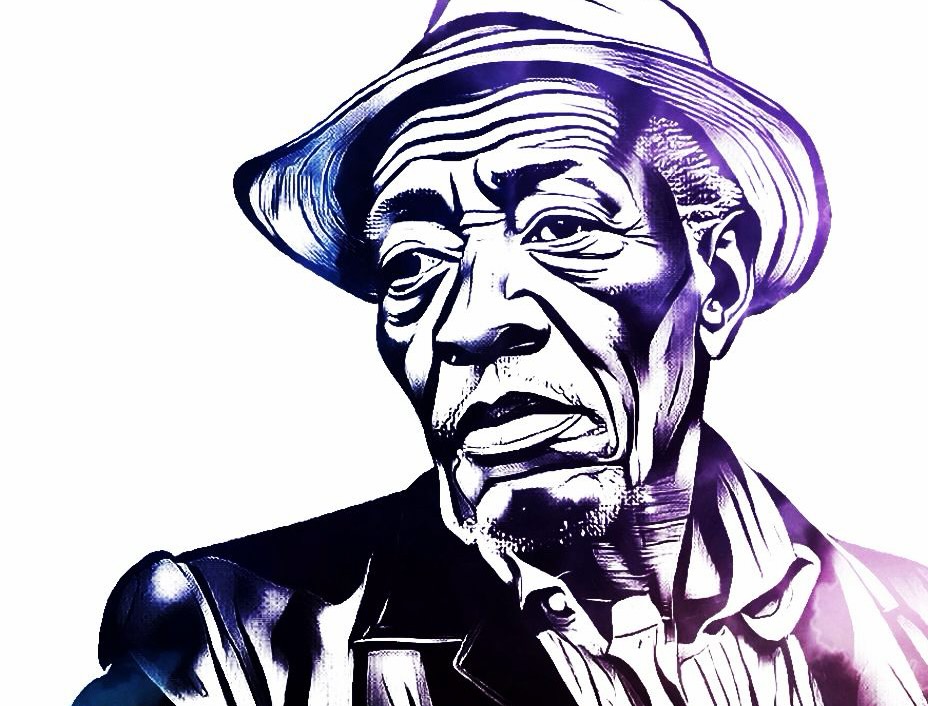
Today, I want to speak directly to you—the children of fathers. Maybe you’re a teenager, or maybe you’re in your twenties, still figuring out life, still piecing together the meaning of fatherhood. Let’s take a moment to think about what it truly means to be a father—not just a provider of DNA but someone who shapes, protects, and nurtures.
I had an absentee father. He wasn’t there to support my mother or guide me. That absence shaped me in ways I didn’t fully understand until much later. I began to reverse-engineer him—to think about what he failed to do and what I could do differently. It’s made me reflect deeply on fatherhood, and I want to share some thoughts with you today.
A Salute to Real Fathers
Let’s take a moment to honor the real fathers. Not sperm donors, but fathers. Men who were there for their children, who stayed, who sacrificed, who showed up when it mattered most. These are the men who deserve our gratitude today.
Fatherhood isn’t about perfection. It’s not about always having the answers. It’s about love, effort, and showing up—even when it’s hard, even when the world feels like it’s against you.
The Stories of Absence
But we also need to talk about the fathers who weren’t there. Not to shame them, but to understand. Sometimes, absence has a story.
– There are fathers who fled their countries in the middle of the night, hoping to prepare a better life for their families, only to find it wasn’t as easy as they thought.
– There are young fathers—teenagers—who weren’t ready, who lacked the resources, the knowledge, or the support to step up.
– There are fathers forced out by systemic barriers—government policies that made them feel like their families would be better off without them because they couldn’t provide.
– There are men caught in the charisma of leaders, entertainers, or movements that pulled them away from their responsibilities.
And yes, there are men who simply made poor choices, who let fear, shame, or immaturity dictate their actions. They left, and their absence left scars.
But here’s something to think about—you exist because of them. Maybe that’s the only thing they gave you, but it’s not insignificant. You’re here, alive, with the chance to write your own story, to break cycles, to make better choices.
Fathering Takes Many Forms
Sometimes, fathering doesn’t come from a biological parent. Fathering can come from a community. It might have been your mother who played both roles. It might have been a coach, a teacher, a mentor, a neighbor, or even a church or community organization that gave you the love, security, and guidance you needed.
Fathers come in many forms, and their stories are just as diverse. To truly understand fatherhood, we need to hear all these stories—the good, the bad, and the complicated. Only then can we prepare future generations to make better choices, to understand the weight of fatherhood, and to embrace it with open hearts.
A Challenge to Reflect
So, I challenge you to think about your own father. Maybe he was there, and maybe he wasn’t. Maybe you’re grateful, or maybe you’re angry. Whatever your feelings, use them. Let them guide you in understanding what kind of person you want to be.
And if you ever become a father yourself, remember that fatherhood isn’t about being perfect. It’s about showing up, even when it’s hard. It’s about making the choice to love, to care, and to try, every single day.
Final Thoughts
To all the fathers who stayed, who sacrificed, who loved unconditionally—thank you. To the fathers who left, for whatever reason—your absence has shaped lives, too, and those stories matter. And to the children of fathers, I hope this message sparks reflection, conversation, and ultimately, growth.
Fatherhood is complex, but it’s also one of the most powerful forces in the world. Let’s honor it, question it, and strive to understand it—so that future generations can do it better.
Happy Father’s Day
SPLENDIDLY “on point”!! Thank you for taking the time for this GIFT to ALL of us….whatever!
To you as well, Sir.