To build coalitions and bridges beyond our own special interests:
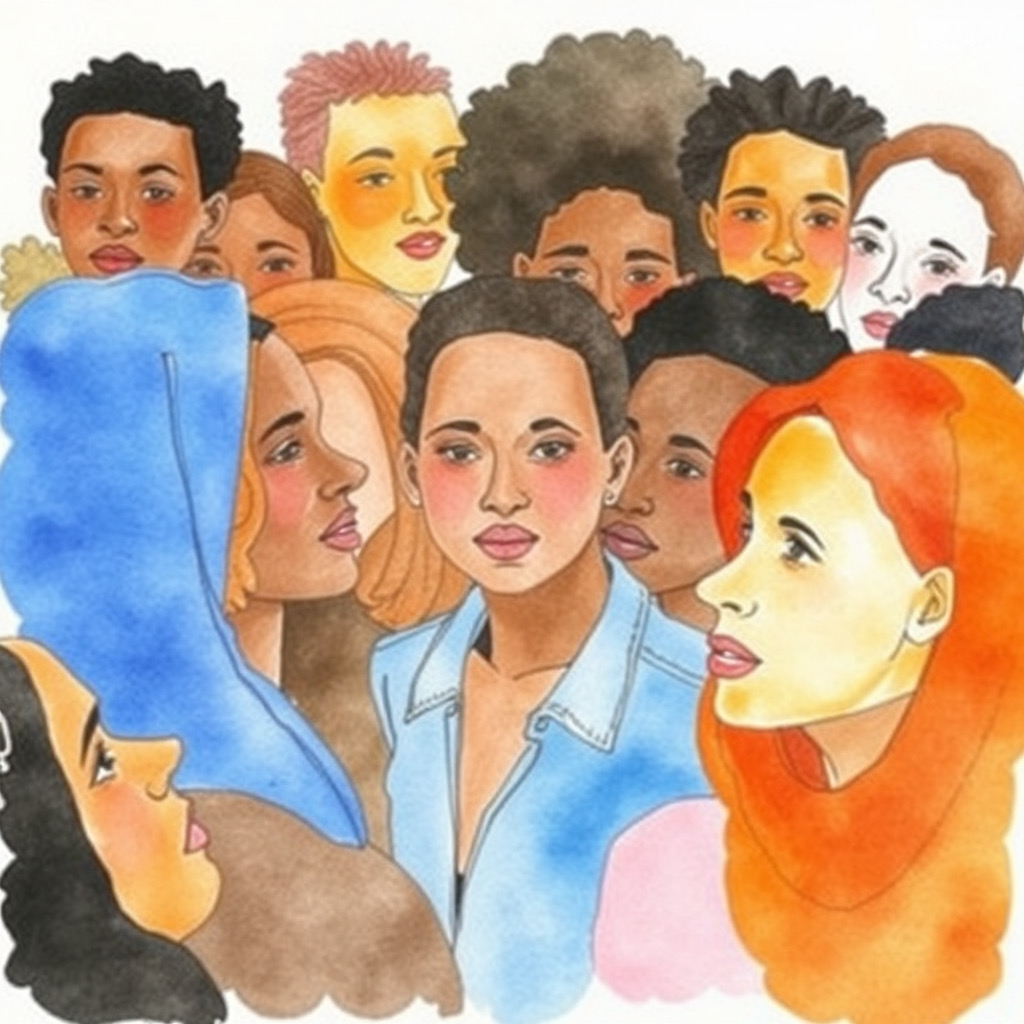
Identify Common Goals: Successful coalitions often start with a clear understanding of the common goals and the necessity of collaboration. The process involves identifying the problems or goals that bring organizations together, understanding the community’s needs, and assembling a diverse group of stakeholders who can contribute to achieving the coalition’s objectives [7].
Engage Diverse Stakeholders: Include those most affected by the issue and leverage their unique perspectives and resources. This diversity can lead to more comprehensive and effective solutions.
Focus on Shared Interests: Cross-racial coalitions, for example, have been successful in addressing issues like voting rights and economic opportunities by focusing on shared interests or common threats [8].
Utilize Frameworks: Employ frameworks like the Health Impact Pyramid to assess local assets and challenges, coordinate activities, and monitor interventions effectively [9].
Promote Open Communication: Foster a culture of open dialogue and shared responsibility among coalition members to ensure all voices are heard and valued.
It’s imperative now more than ever before—to unite across divides—to resist tyranny where it manifests through oppressive ideologies fueled by greed, hatred, discrimination! We cannot allow fear, apathy and complacency to dictate outcomes anymore.
We stand at an inflection point demanding accountability, transparency and integrity from those wielding power. Our collective voices matter—they hold weight capable of shifting tides if harnessed correctly.
The park is between Division and Normandie St., Garland and LaCrosse.
We Will Not Bow
Our demonstration of moral strength is in opposition to the tyranny that threatens our very existence as a country. And this kind of gathering can unite us, in a moral movement to save America. And we will not stand down, not now, not ever.
What can these protests accomplish?
3100 protests across the nation busts through that bubble, that air of inevitability, that Trump is invincible, unstoppable.
The protests are not just in large cities but communities in rural and red parts of the country.
They are organizing not only for March 28 but for what comes next.
Standing in a crowd matters
but it’s not enough
on its own
This moment is about turning frustration into movement, concern into commitment. If you’ve been wondering what you can do, this is where you start.
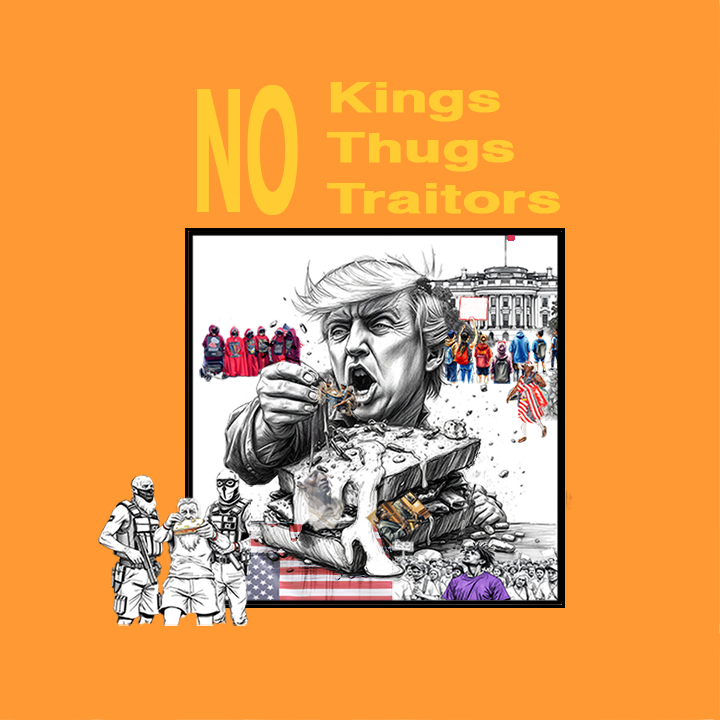
NO KINGS 3
Take Action – Do Something
At B A Clark Park in Spokane:
Bring a relative, bring a friend, bring a neighbor!
Speakers will address issues that stood out in Indivisible surveys of where support, resources and action were actually needed – the environment, affordability, voting rights, immigration, racial injustice, and government corruption.
Over 35 organizations will have tables with opportunities to learn what is happening and where to plug in.
When the choice is tyranny or revolution, to keep your head in the sand is to choose tyranny. If you choose revolution the question is nonviolent or violent.
The Scenario
A presidential candidate has won the election and gained control over all branches of government.
The new administration refuses to follow court rulings and historical norms.
Democratic processes and checks and balances have broken down.
The leadership style is modeled after authoritarian regimes like Russia, North Korea, and China.
This situation represents a significant threat to democratic institutions and the rule of law, which are fundamental to a functioning democracy.
Can We Trust This Man?
Options for Grassroots Movements
In such a scenario, grassroots movements and civil society organizations face a critical decision: whether to accept the new regime or to resist. Based on historical examples and research on civil resistance, there are several potential courses of action:
Nonviolent revolutions have endured longer
Nonviolent Revolution
Historically, nonviolent revolutions have been more successful and led to more stable democratic outcomes than violent uprisings. Research by Erica Chenoweth and Maria J. Stephan has shown that nonviolent campaigns are twice as likely to succeed as violent ones.
Strategies for nonviolent revolution could include:
a) Mass Mobilization: Organizing large-scale protests, strikes, and boycotts to demonstrate widespread opposition to the regime. This was effectively used in the Philippines People Power Revolution (1986) and the U.S. Civil Rights Movement (1950s-1960s).
b) Civil Disobedience: Engaging in coordinated acts of nonviolent resistance, such as sit-ins, blockades, or refusal to pay taxes. The Indian Independence Movement led by Mahatma Gandhi successfully employed these tactics.
c) Alternative Institutions: Creating parallel governance structures or “shadow governments” to challenge the legitimacy of the regime and provide essential services to the population.
d) International Solidarity: Appealing to international organizations and foreign governments for support and sanctions against the regime. This strategy was crucial in the South African Anti-Apartheid Movement.
Civic Engagement and Grassroots Organizing
Even in challenging political environments, there are legal and peaceful methods to resist authoritarianism:
a) Stakeholder Engagement: Identifying and mobilizing key stakeholders who can influence the political process.
b) Effective Communication: Using clear, consistent messaging to articulate grievances and demands.
c) Technology and Social Media: Leveraging digital platforms for organizing, information sharing, and mobilizing support.
d) Educational Interventions: Implementing programs to promote civic engagement and democratic values.
e) Building Trust and Relationships: Establishing networks of trust within communities to strengthen resistance efforts.
Seeking International Support
Grassroots movements can appeal to international democratic support systems and diplomatic channels:
a) International Organizations: Engaging with bodies like the UN, OSCE, and International IDEA to highlight democratic backsliding and seek support.
b) Foreign Diplomatic Pressure: Encouraging democratic nations to exert diplomatic pressure on the regime, similar to Sweden’s “Drive for Democracy” initiative.
c) NGO Partnerships: Collaborating with international NGOs like Freedom House to document and publicize human rights violations and democratic erosion.
Violent Revolution as a Last Resort
While violent revolution might seem like an option, it’s important to note that:
Violent uprisings are statistically less likely to succeed than nonviolent movements.
They often lead to prolonged conflict and instability.
Violent revolutions can delegitimize the movement in the eyes of both domestic and international observers.
They may provide justification for increased repression by the regime.
Conclusion
In the face of democratic breakdown and the rise of authoritarianism, grassroots movements have historically been most successful when employing nonviolent strategies. These strategies, combined with effective civic engagement and international support, offer the best chance for restoring democratic norms and institutions.
The choice between accepting tyranny and forming a revolution is a complex one, with significant consequences. However, the historical record suggests that nonviolent revolutions, when well-organized and widely supported, can be effective in challenging even the most entrenched authoritarian regimes.
It’s crucial for grassroots movements to carefully consider their options, build broad coalitions, and maintain a commitment to nonviolent tactics to maximize their chances of success and minimize the risk of further destabilization or violence.
When tyranny and revolution appear to be the choices, which do you think we ought to choose? The choice should be made with deep thought. If you keep your head in the sand and refuse to recognize the current conditions, you have chosen tyranny.
But if you choose revolution the question is nonviolent or violent.
We do not speak for you – we are a place where you can speak
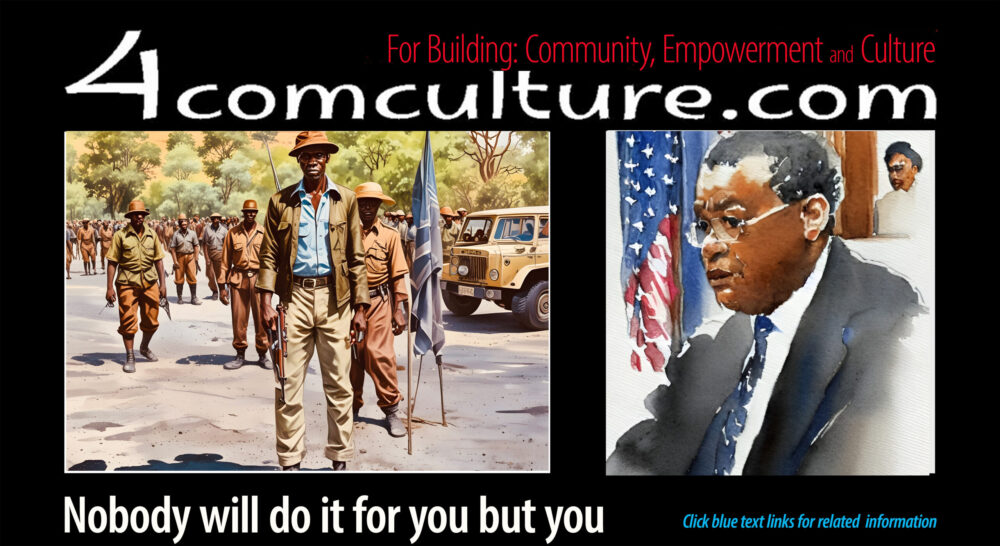
War has been declared not only on marginalized people but our democracy. We are at a point in our history where we are moving rapidly toward tyranny. The presidential candidate won the election and has total control of all branches of government and refuses to follow any of the court rules and the historical norms. If the democratic process has fallen apart and checks and balances are not working, what are the choices of the grassroots? A non-violent revolution. This site seeks to bring a progressive perspective and activist strategies to meet the challenges in our communities.
We believe that no one will do it for us but us. We are not a large organization or institution. We are individuals doing the best we can with what we’ve got. We cannot do it alone. If you would like to share with 4comculture.com contact us at info@4comculture.com.
In the wake of a Black Corrections Officer being abducted out of his car by seven ICE agents in Portland, Maine on Saturday, January 24, 2026, I have something to share with white people of good intention.
Dear White People, Here are some considerations I think you may find valuable:
1. Don’t wallow in your sense of helplessness. Do not decide there is nothing you can do. Coming to that conclusion is you giving yourself permission to do nothing, not even look for what you can do, when realistically, you’re more likely to have a range of options and the challenge will be how to optimize your time and effort. Until you find the “best” answer to that question, do something. Do not do nothing.
2. Recognize that your protests are important. Your efforts to resist and record are valuable. Things would be so much worse than they are now if you weren’t engaged in these actions.
3. That said, there’s still more to do.
4. In the face of white craziness, it is more important than ever that you examine your own systemic white skin privilege, so that you don’t inadvertently support those who hate you.
5. Yes, Black and Brown People need to be involved. Our assignments are different.
6. Recognize that Black and Brown People have been in this struggle for generations, while the majority of white people have sat back in their systemic white skin privileges and/or indulged their white fragility.
7. Consider that Systemic Whiteness messages that Black and Brown People only exist for a White agenda. White people may argue with each other about which white agenda, but there is tacit agreement on our worth being based on your agenda.
8. Consider that our mutual White opposition wants Black and Brown People to get angry, stupid, and violent. They are hoping to provoke us into coming onto the front lines. This is part of their white agenda. It shouldn’t be part of yours.
9. Recognize that when you stop telling each other (and Black and Brown People) what we “should be doing” (in your opinion), you become part of the solution.
10. Recognize that there is not enough of my Black self to plug in everywhere that I can be useful.
11. Remember that listening to understand is a good thing. *
12. It’s really okay if you are motivated by self-interest. Caring about me actually promotes and protects your prosperity and security. We are living in a Pastor Martin Niemoller moment in history.
Sincerely Denise K. Tuggle
PS: As I write this, there has been no further news on the unnamed Black Corrections Officer. He has been disappeared. Imo, this is reminiscent of Nazi Germany, the Russian Pogroms, historic US slave patrols, and secret police in various countries.
*especially to Black Women, cause we been trying to keep you out of this mess for years, you damn fools! And yes, it gets tiresome.
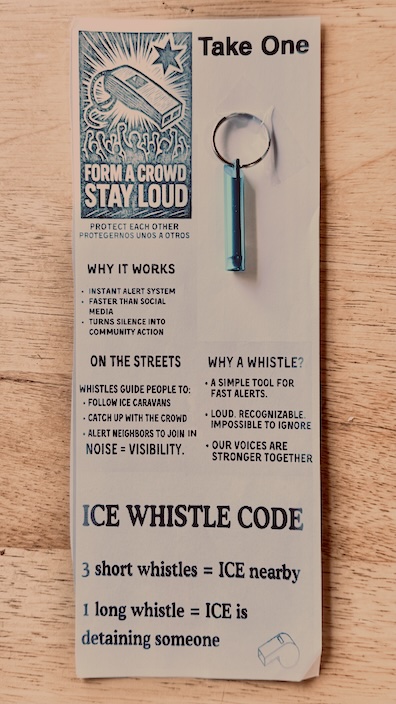
By wearing this whistle we will call for our communities to take action. We let those in our neighborhood know that we support them and hate is not welcome. And that we will take action. Some of us are not brave enough to personally intervene, but we will be watching and gathering evidence with our cell phones, others will quietly go into their houses and will call for help. We will get financial support and we will wear these whistles in solidarity. Hanging a bright party favor whistle in your window, from your porch, from a tree lets people know that this is a neighborhood that cares. These whistles don’t make a lot of noise, but they are symbolic.
I’m reaching out to share something important. These are serious times, and I believe we can no longer afford to say, “I don’t know” or remain passive. We all wake up at different moments, but now more than ever, we need to hold ourselves, our friends, relatives, and associates accountable. Our democracy is at stake.
As part of aligning my actions with my values, I’m reducing my contacts and focusing on meaningful connections.
As I step into this conversation with young women artists, I aim to challenge and inspire critical thought while remaining respectful and open-minded. Our discussions can illuminate the complexities of feminism, art, and spirituality today. Thoughtful questions and a willingness to share experiences, create an environment where all voices can be heard and valued.
Navigating the ever-evolving landscape of art, feminism, and spirituality, one compelling discussion is the intersection of these themes in the lives of young women artists. As we engage I reflect on my unique perspective as an 80-year-old Black man. My goal is to bring thought-provoking insights, encourage critical reflection, and spark meaningful dialogue without veering into offensive territory.
Understanding “Woo-Woo”
The term “woo-woo” often evokes reflections on beliefs and practices that may seem abstract or disconnected from scientific reasoning. In creative circles, some embrace this term as a badge of honor, associating it with personal empowerment and spiritual exploration. However, it can also critique superficial spirituality. As we embark on this conversation, it’s essential to consider how artists interpret “woo-woo.”
– Do they view it as an essential facet of their creativity and identity?
– Is there a generational divide in understanding its significance?
– In what ways might their relationship with “woo-woo” reflect their artistic ethos?
Given my life experiences, I challenge perceptions by pushing to explore how “woo-woo” fits into the larger societal fabric—especially concerning intersectional feminism and the struggles of marginalized communities.
Themes for Exploration
1. Generational Differences in Feminism:
How do today’s artists define feminism compared to past movements? Is there continuity with the legacies of Black feminists like Audre Lorde or bell hooks, or do these histories feel distant to them? I ask for reflection on the intersectionality of their work, ensuring it encompasses diverse voices, including those of older Black men and women.
2. Art as a Political Tool:
Let’s delve into the role of art in challenging power structures. Is the motivation radical, or is it self-serving? Sharing experiences of art as activism during the Civil Rights Movement, how do they perceive their work’s political impact?
3. Can We Critique “Woo-Woo” Culture?
If artists embrace “woo-woo,” can we examine its implications? Does it risk becoming disconnected from pressing real-world issues like racism and poverty? Is “woo-woo” a privilege afforded to those not entangled in survival struggles? Can it reflect broader societal disparities?
4. Race, Gender, and Privilege:
It’s crucial to discuss how race intersects with feminism and artistic practices. Are artists aware of how their perspectives might be shaped by whiteness? Black artists have integrated spirituality into their activism, reinforcing the connection between art and the fight for justice.
5. Engaging the Audience:
Who is the intended audience for their art? Does it resonate with marginalized communities, or does it cater primarily to privileged and academic spaces? Let’s reflect on whether “woo-woo” artistic expressions can genuinely instigate change, or if they merely serve to bolster personal identities.
Provocative Yet Respectful Engagement
Navigating this conversation thoughtfully, can we incorporate the following strategies?
– Humor and Wit: Using light-hearted humor can defuse tension. For instance, one might quip, “Woo-woo? Back in my day, we just called it nonsense! So, how have you all turned that into something meaningful?”
– Personal Narratives: Do you have any stories from your life, like the civil rights activism of my youth, that can illustrate your points clearly? I might ask, “When I was your age, we were marching in the streets. How does ‘woo-woo’ contribute to social change today?”
– Acknowledging Humanity: Even in critique, can we express admiration for the artists’ dedication, affirming, “We may not agree with everything, but we genuinely respect your passion for your art and beliefs.”
Here’s to a thought-provoking discussion—let’s encourage each other to think critically, respect one another’s beliefs, and navigate the intricacies of art and feminism together!
Resources for Further Exploration
For those interested in deepening this conversation, consider engaging with works that explore feminism, intersectionality, and the role of art as a catalyst for change. Notable books include: Sister Outsider by Audre Lord and Ain’t I a Woman by bell hooks. Additionally, examining the Black Arts Movement and critical perspectives on “woo-woo” culture may help illuminate some of these discussions.
WE DO NOT SPEAK FOR YOU – WE ARE A PLACE WHERE YOU CAN SPEAK
War has been declared not only on marginalized people but our democracy. We are at a point in our history where we are moving rapidly toward tyranny. The presidential candidate won the election and has total control of all branches of government and refuses to follow any of the court rules and the historical norms. If the democratic process has fallen apart and checks and balances are not working, what are the choices of the grassroots? A non-violent revolution. This site seeks to bring a progressive perspective and activist strategies to meet the challenges in our communities.
We believe that no one will do it for us but us. We are not a large organization or institution. We are individuals doing the best we can with what we’ve got. We cannot do it alone. If you would like to share with 4comculture.com contact us at info@4comculture.com.
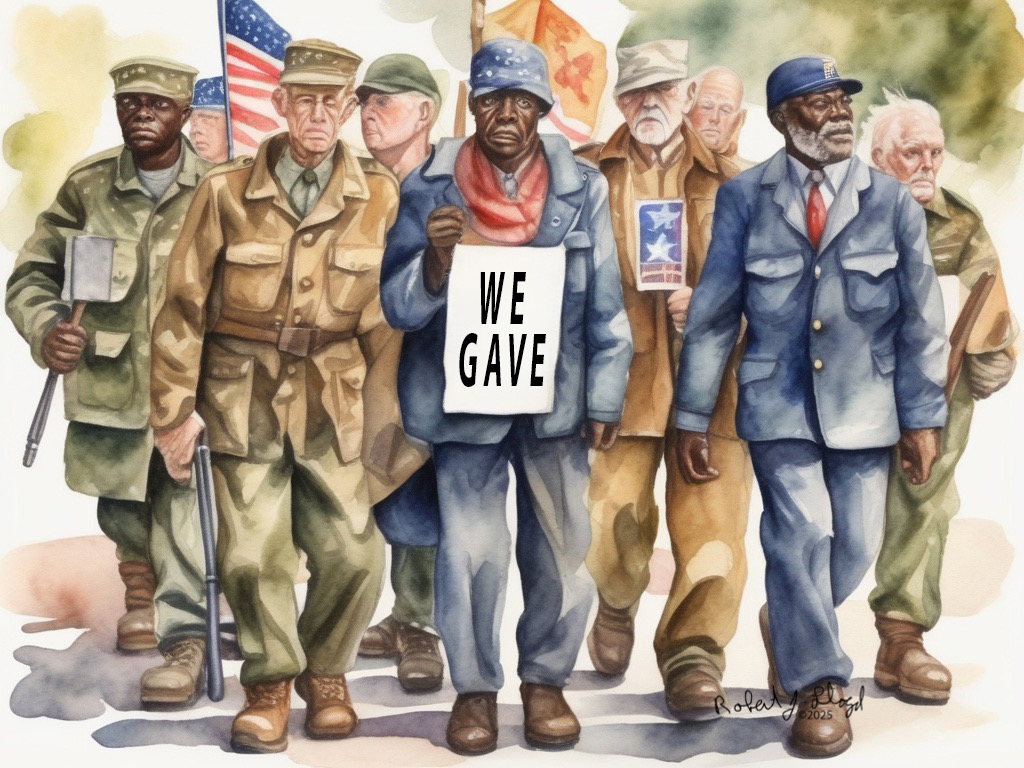
We Remember Our Oath Not to a Person But to The Constitution
Black History in the United States began when the first African indentured servants and enslaved people were brought west in the early seventeenth century. They were forced to do back-breaking labor on plantations and separated from their homes and families. Despite their unjust inferior status, they fought against Great Britain in the Revolutionary War, the War of 1812, and against the Confederate South in the Civil War. During the Civil War, the Emancipation Proclamation freed all those enslaved in Confederate states and territories. Then at the end of the war, the 13th Amendment was ratified, freeing all enslaved individuals within the United States. Though they had freedom on paper, Black Americans faced significant discrimination in the workplace, the education system, and the political and social spheres. In the South, they suffered under the discriminatory Jim Crow laws that kept them segregated in all public places. In the mid-1950s, the civil rights movement began in earnest and Blacks protested across the United States until the Civil Rights Act was passed in 1964. Though this improved their position in American society, Black Americans still face prejudice and discrimination today.Continue Reading ›
Source Information
Fold3, Black History (https://www.fold3.com/collection/african-american : accessed Nov 9, 2025), database and images, https://www.fold3.com/collection/african-americanTotal Publications35Total Records805,317