Salem Lutheran Church November 17, 2016
This slideshow requires JavaScript.
Salem Lutheran Church November 17, 2016
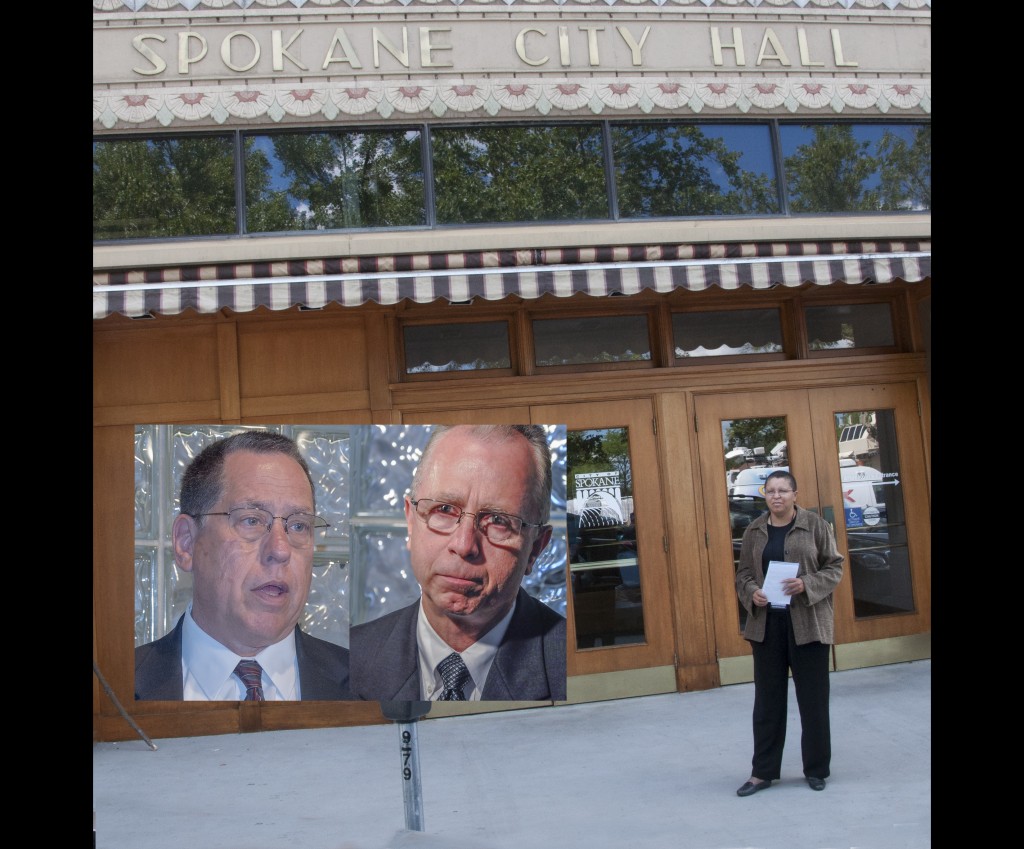
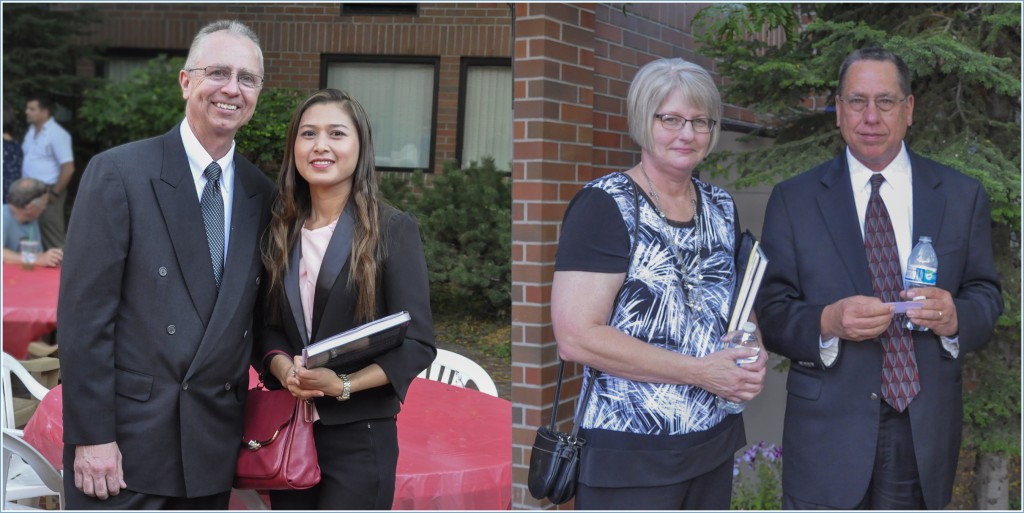
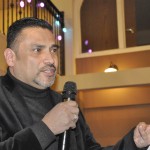
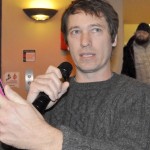
Black Lens News Editor Sandy Williams has one-on-one interviews with finalists Robert Lehner and Dominic Rizzi.
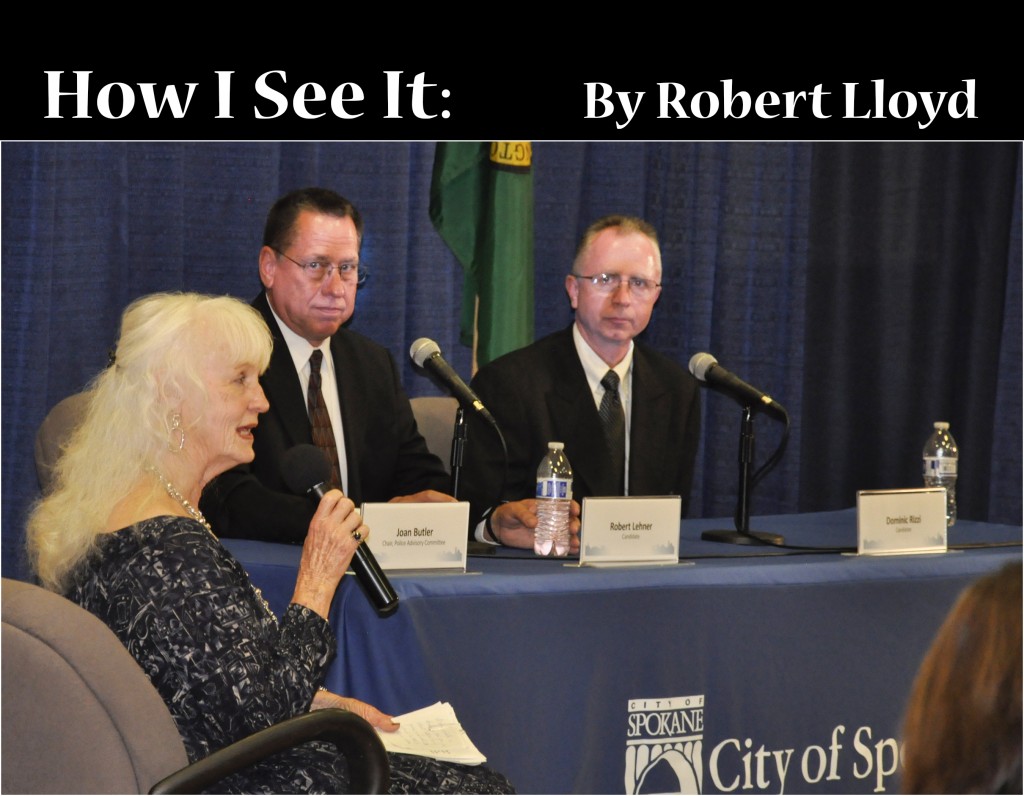
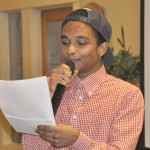
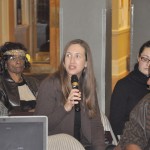
Joan Butler, Chair of Police Advisory Committee presents community member questions that were emailed in advance. Participants in the audience felt that their questions had been cherry picked.
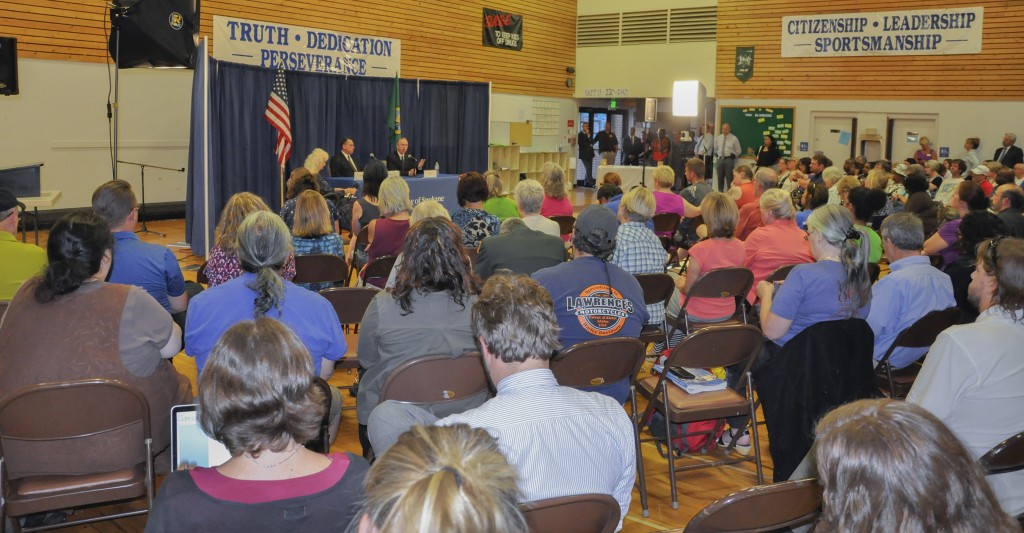
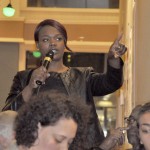
Audience listens to candidates respond to questions.
 After the question and answer period finalists remained to mingle and respond to those who felt their questions had not been answered.
Now that we have questioned the candidates how do we give input to the mayor on the decision? These are the ladies who will have the final decision.
Part one was Black Lives Matter / All Lives Matter.




Part two was Police Lives Matter.
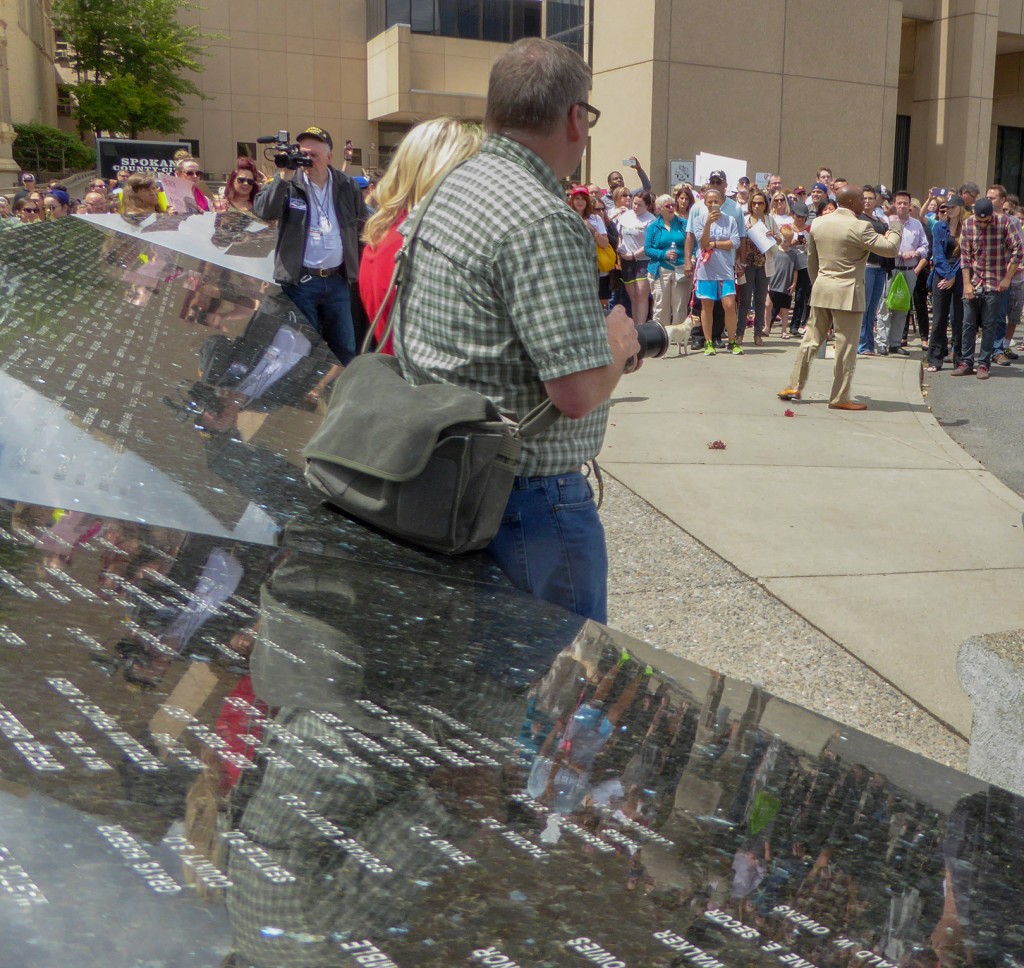 Part three was Spokane showed how to handle a person when he tries to disrupt your non-violent protest/vigil/rally.
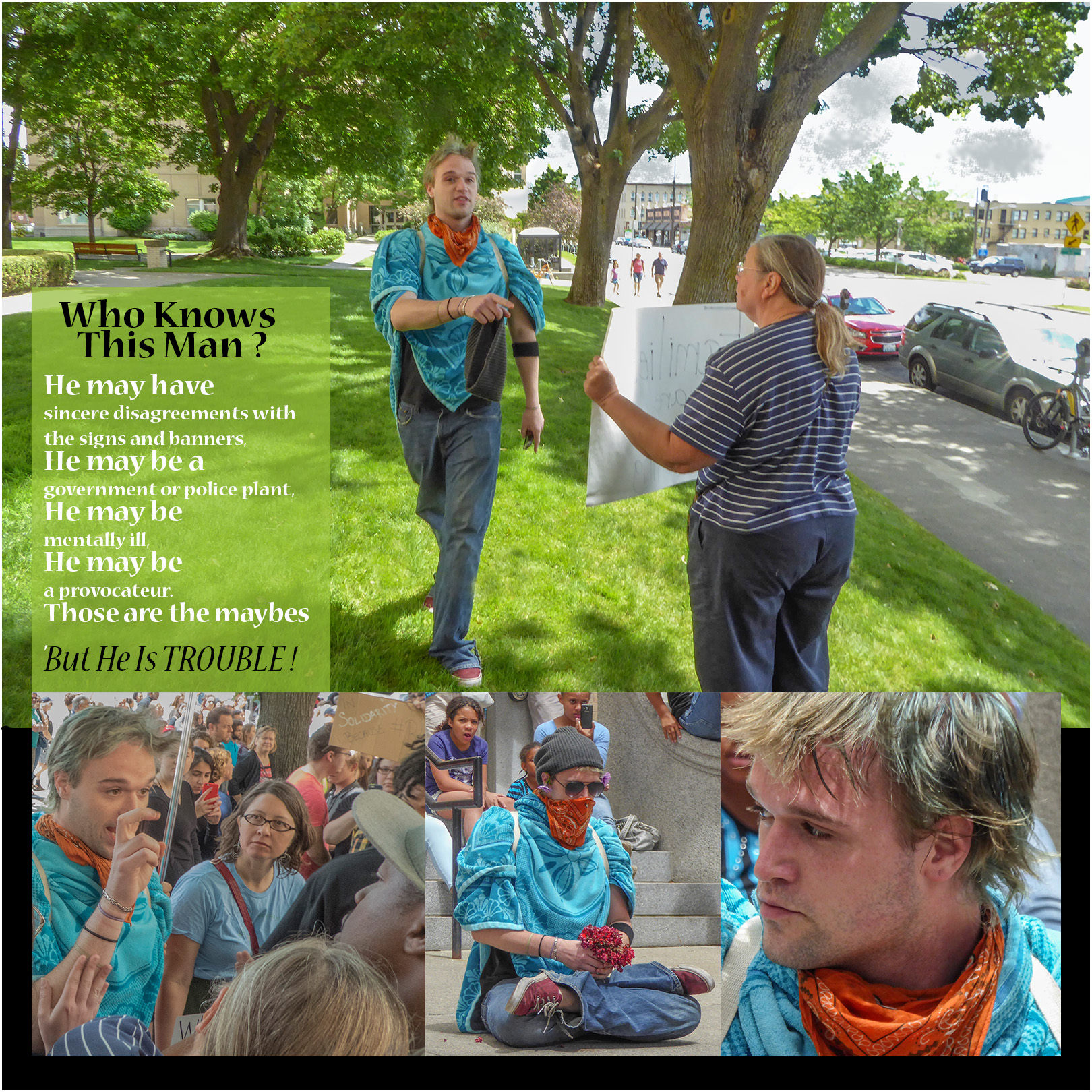 Don’t let anyone hijack your non-violent protest.
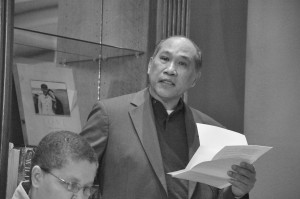 Ben Cabildo of Community Minded Enterprises hosted a panel and discussion on racism and the media at the Community Building March 25 moderated by Raymond Reyes, Vice President, Gonzaga University.
For more information on this topic visit the Northwest Alliance for Responsible Media. The Alliance is “committed to monitoring the influence of news and entertainment media on our society, educating the community about this influence, and working with media professionals to influence the industry to act responsibly in helping create a thriving cultural environment for all”.
For more information about this event see the May 2016 issue of the Black Lens News.
Click this link for more photographs and images by Robert J. Lloyd
There is a failure to communicate in African American institutions, churches, community and family. This has led to ineffectiveness in our social justice concerns as illustrated in the article Under One Roof, Divergent Views on ‘Black Lives Matter’.
Here is one solution to bridging the generations.
Level I: Icons: The 60 Plus Generation
The people in this generation are the ones who have shown community service and activism. They represent tremendous amounts of wisdom, knowledge, experience and history that could be passed on to younger generations. There could be an annual forum where they can provide wisdom and moral support but not make policy. A small group of 5 or so would mine the resources of their age group and recommend individuals to bring their wisdom, history and experience to the late career generation.
Level II: Late Career Generation
There is a late career generation (40 – 65) that has skills, resources, contacts and finances to contribute. They can consult with the Level I Icons and bring resources and raise funds for Levels III and IV but do not need to provide a lot of time nor make policy.
Level III: Early Career Generation
The early career folks (25 – 40) have challenges such as moving ahead in their jobs, raising children and navigating them through institutions such as school. They also have fairly recent education, housing, job hunting experiences and more. Having just gone through or presently going through these challenges should give them insights for developing policies. They can become advocates for children. They would train and check in on the young adults and respond to questions and concerns.
Level IV: The Dreamers
Young adults (18 – 30) are the dreamers. When Martin Luther King Jr spoke about having a dream this is who he was. They have ambition, time, energy, security, not as many responsibilities. They will survey the needs of adolescents and their communities. They can develop programs and then carry out policies and programs. They can take risks, experiment with new challenges. They can relate to the struggles of young adolescents, mentor them, do peer counseling and provide role models for them. They can work with younger children to meet their needs, develop services for themselves and younger folk, at the same time gaining experience. This is CORE. This is SNCC. They are the SCLC field staff, the NAACP youth organization, the equivalent of the protesters of the 60’s. They are Black Lives Matter.
Level V: Our Future
Adolescents (12 – 18) are the target for programs carried out by The Dreamers. They need to be educated, made aware of future challenges and how they can be prepared for them. They can be guided toward broader opportunities, public service and the fun and satisfaction of working with others toward a common goal. Make up and size of target groups of adolescents need to be managed and controlled. Each group should be culturally, ethnically and economically mixed. Each group of 12 – 18 year olds should be small enough to comfortably meet in a home (10 – 12 people) so an institution is not needed to provide a meeting place. Perhaps meetings could rotate among the homes of the participants, thus maintaining communication with parents.
The resignation of Rachel Dolezal as President of the Spokane Chapter of the NAACP is a loss for the Spokane community, for the Black community, for the social justice community, for the NAACP. See resignation letter
Now who won?
Don’t say no one! That’s EXPLETIVE DELETED! The same folks who always been winning! I’ve seen it happen for the 40 years that I’ve lived in Spokane – always with a scandal.
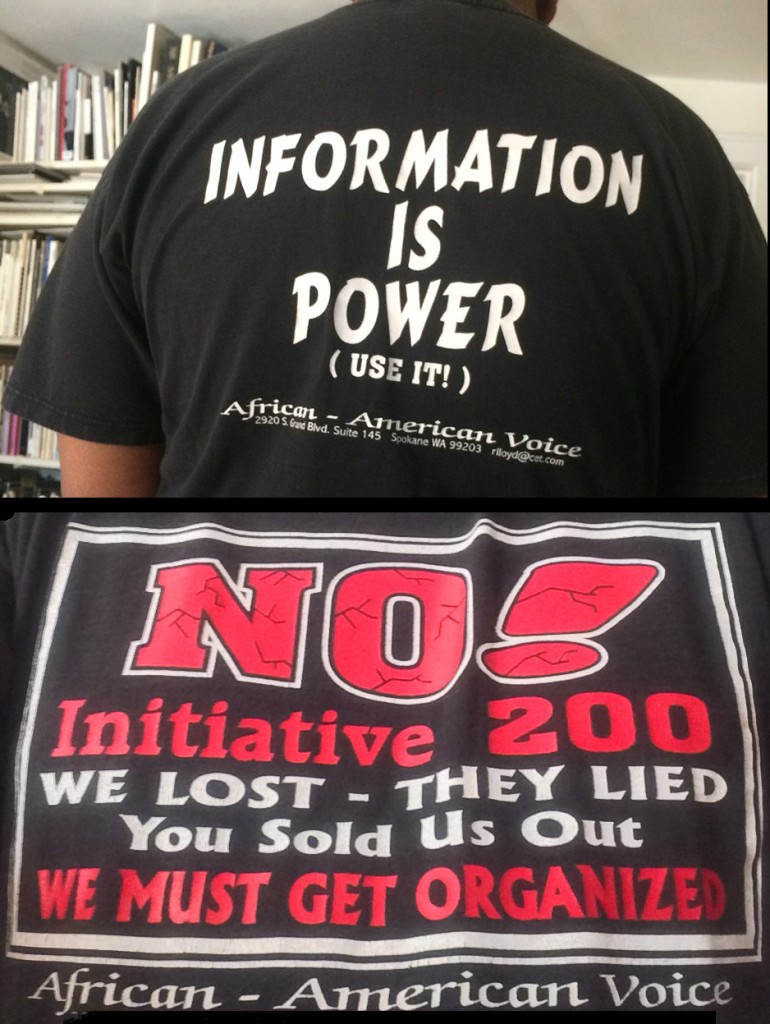
Historical Spokane African American Voice T Shirt
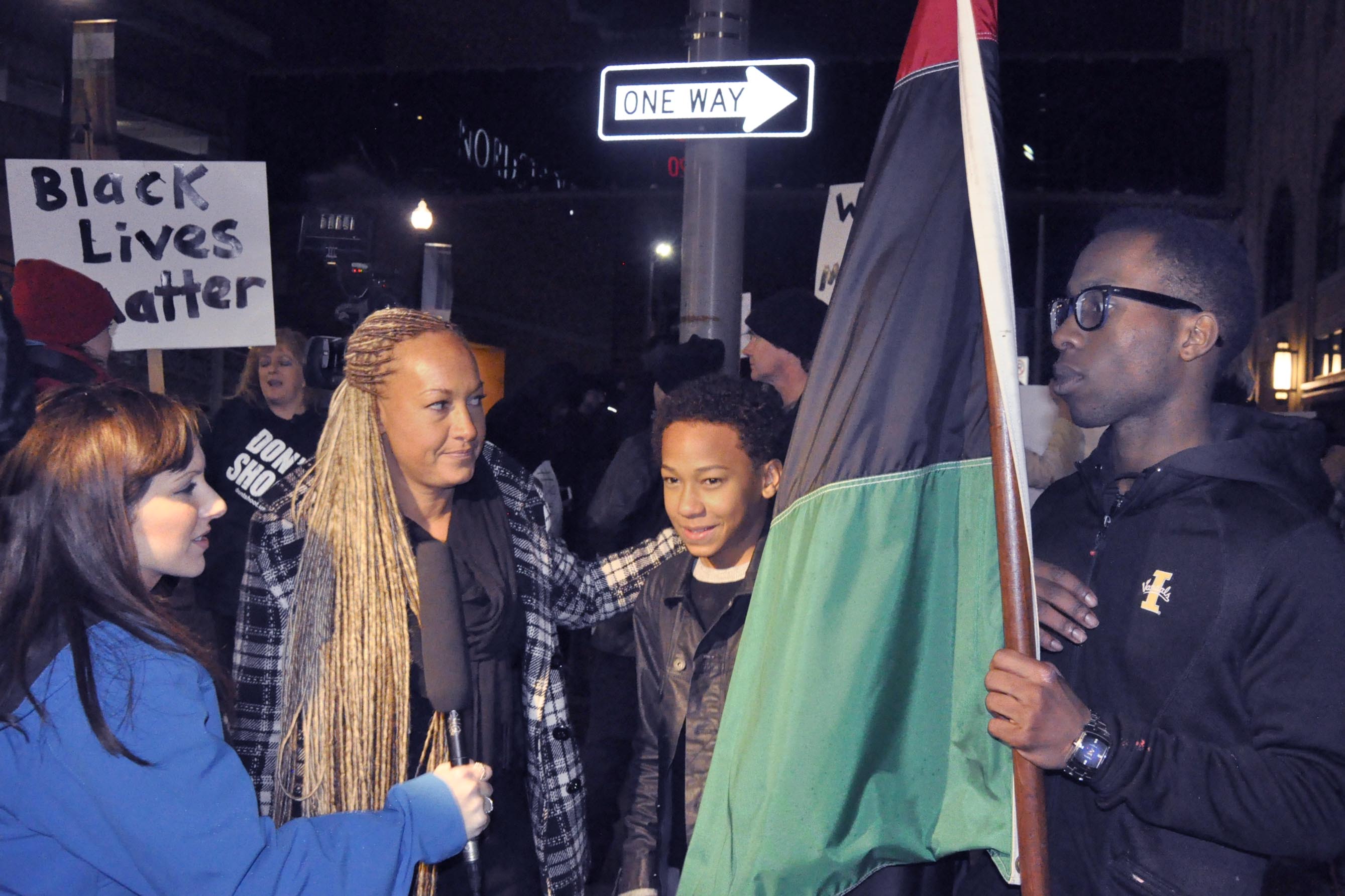 By Robert J. Lloyd
As for the current scandal, I could care less what Rachel’s ethnicity is. She has been a strong advocate for civil rights, social justice and issues of gender. She is a superb artist. I support her in her advocacy and speaking out on issues. The Spokane Black community has not had a representative voice since Eileen Thomas was president of the NAACP in 1998. Rachel did not seek the presidency of the Spokane NAACP but was recruited to run for the office.
Many people are talking about honesty and integrity. Let’s have the IRS look over their tax returns. Let’s have access to their emails and telephone conversations. Let’s check out their pedigrees. And where have all the investigative journalists been on important issues?
Spokane African Americans love their symbolism: hearing the “I Have a Dream” speech, wrapping up in kente cloth, wearing their dred locks and Easter bonnets. But on substantive matters Black leadership has been absent without leave in the Spokane community for many years. None of the university and city multicultural specialists and advocates have spoken out on the issues with the fervor of Rachel Dolezal. None of the African American History teachers and historians have spoken out on contemporary Black issues in Spokane.
We left a vacuum and Rachel Dolezal and the young college students that she inspired stepped in to fill it with the support of a few progressive community activists and Unitarians.
I plead with those with a sincere interest in the issues that Rachel has championed to keep on fighting. I would suggest that the NAACP Monday night meeting be the largest in the history of the Spokane chapter and that we support Rachel. I solicit the support of MORE white people to walk in our shoes. I welcome MORE white people to share the oppression of Black America.
Posted at: www.4comculture.com Contact: info@4comculture.com
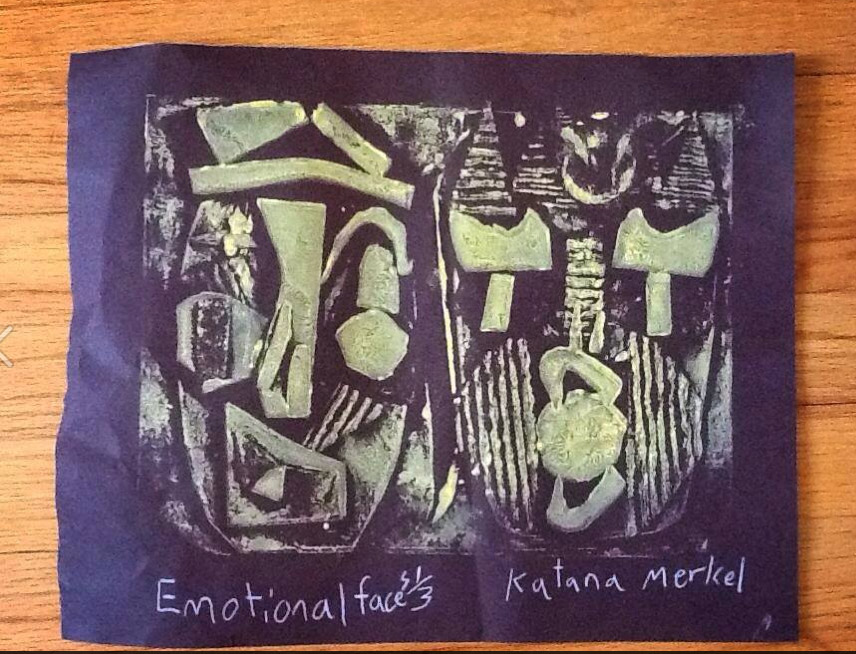 There is a powerful reading by Nikki Patin 15 minutes into The MusicVox broadcast.
Surviving The Mic is a collaborative organization of survivors who are dedicated to creating a safe and affirming creative spaces for survivors of trauma (sexual trauma, racial trauma, violent trauma). Through their series of spoken word and performance-based events they seek to create a space for testimonies about sexual violence and to build skills to elevate those testimonials.
The goals of Surviving the Mic are:
Click the link below to hear their conversation.
Surviving The Mic: Empowering Survivors of Trauma Through Performance-Based Events and Workshops
For more information on Surviving The Mic, visit them at survivingthemic.org/
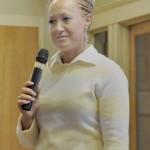
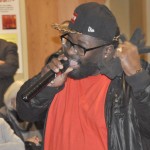
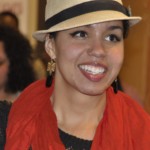
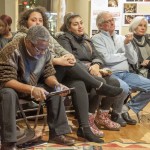



On December 23 the Spokane chapter of the NAACP held a strategy meeting where the president-elect Rachel Dolezal presented a PowerPoint of her suggested organizational structure and suggested officers for the new year. It was obvious looking at the room that there is new interest in the organization. See links to older 4comculture posts and pages regarding NAACP activity and compare them to posts of activity since Ferguson. I think this is the beginning of a new movement with a much younger and energetic group. Only time will tell. I would encourage those under 40 to join the civic engagement and that we older folks stay home and send a check to support the youth.
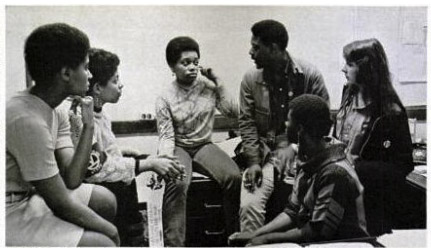
Historical Note: When Dr. King joined the Montgomery Bus Boycott he was 26 years old. When he died he was 39 years old. Below are photographs of the SCLC field staff who were all in their late teens and early 20’s.


Spokane solidarity with Ferguson MO