See how democracy is lost. watch to the end.
Then click here for for strategies to protect our democratic institutions.

Then click here for for strategies to protect our democratic institutions.

comprehensive strategies to regain control and protect democratic institutions from systematic dismantling
1. Legal and Constitutional Mechanisms
2. Civil Society Response
3. Institutional Protection Measures
4. International Cooperation and Support
Long-term Strategic Approaches
1. Develop a National Democracy Strategy
2. Build Cross-sector Alliances
3. Public Education and Engagement
4. Media and Technology Strategy
Success Indicators from Historical Examples
Historical examples show that democratic institutions can recover from systematic dismantling attempts. Key lessons include:
1. Post-WWII Germany and Japan: Successful reconstruction required:
2. Eastern European Transitions: Demonstrated the importance of:
The success of these strategies depends on coordinated action across multiple sectors and sustained commitment to democratic principles. The research suggests that combining legal mechanisms, civil society action, and international support provides the most effective approach to protecting and restoring democratic institutions.

For full article CLICK HERE
# Immediate Action Strategies
The success of these strategies depends on coordinated action across multiple sectors and sustained commitment to democratic principles. The research suggests that combining legal mechanisms, civil society action, and international support provides the most effective approach to protecting and restoring democratic institutions.
Freedom of Assembly – A Constitutional Right
# Immediate Action Strategies
## 1. Legal and Constitutional Mechanisms
– Utilize judicial review to challenge unconstitutional executive actions, as established by Marbury v. Madison [[1]]
– Leverage existing checks and balances systems to limit executive overreach [[2]]
– Employ legislative oversight tools, including:
– Congressional hearings
– Investigations
– Strategic use of funding controls [[2]]
## 2. Civil Society Response
– Engage with organizations like Civil Service Strong and Partnership for Public Service that specifically work to protect civil service [[3]]
– Support watchdog organizations and legal advocacy groups like Protect Democracy [[4]]
– Mobilize grassroots movements and civil society organizations to:
– Monitor government actions
– Expose corruption
– Lobby for governance reforms [[5]]
## 3. Institutional Protection Measures
### Government Workforce Protection
– Support initiatives defending civil service against political interference
– Work with unions and professional associations to protect government employees
– Document and challenge illegal terminations or restructuring [[3]]
### Democratic Process Protection
– Safeguard election integrity through:
– Protection against voter suppression
– Combating disinformation
– Maintaining election infrastructure [[6]]
## 4. International Cooperation and Support
– Engage with international organizations like International IDEA and UNDP’s Democratic Governance [[7]]
– Utilize international pressure and accountability mechanisms
– Learn from other democracies’ experiences in resisting authoritarian attempts [[8]]
# Long-term Strategic Approaches
## 1. Develop a National Democracy Strategy
– Create a comprehensive plan integrating democracy protection into:
– Economic policy
– Social policy
– Technology policy
– Diplomatic relations
– Military considerations [[9]]
## 2. Build Cross-sector Alliances
– Form coalitions between:
– Civil society organizations
– Legal professionals
– Academic institutions
– Business leaders
– Pro-democracy politicians [[10]]
## 3. Public Education and Engagement
– Launch public awareness campaigns about democratic institutions
– Educate citizens about their rights and democratic processes
– Foster civic participation and engagement [[5]]
## 4. Media and Technology Strategy
– Support independent journalism
– Combat disinformation through fact-checking initiatives
– Engage technology companies in protecting democratic processes [[11]]
# Success Indicators from Historical Examples
Historical examples show that democratic institutions can recover from systematic dismantling attempts. Key lessons include:
1. **Post-WWII Germany and Japan**: Successful reconstruction required:
– Strong constitutional frameworks
– International support
– Economic rebuilding
– Democratic institution building [[12]]
2. **Eastern European Transitions**: Demonstrated the importance of:
– Civil society movements
– International support
– Economic reforms
– Democratic constitution development [[12]]
# Current Public Support
Recent data shows potential for successful resistance:
– High public demand for government reform (49% Democrats, 83% Republicans) [[13]]
– Strong electoral responses against anti-democratic actions
– Growing concern about institutional integrity across political spectrums [[14]]
The success of these strategies depends on coordinated action across multiple sectors and sustained commitment to democratic principles. The research suggests that combining legal mechanisms, civil society action, and international support provides the most effective approach to protecting and restoring democratic institutions.
In the world were truth and trust is rapidly disappearing how can we navigate the information that we’re getting? From governments at all levels including international. Truth in the medical system – pharmaceuticals, insurance, HMO’s, hospitalization, elder care, rehabilitation companies, doctors. Truth in newspapers. Truth in electronic media – broadcasting networks, online media, podcasts. Celebrity talking heads. Truth in financial and lending institutions, treasury department, banks, credit unions, stocks and bonds markets. When the watchdogs are being fired and bribed, what can we the citizens do? Can we trust the AI companies popping up all over the place with all kinds of claims?
Give your family and community the resources they will need at 4comculture.com.
Navigating a world where trust and truth are eroding can feel overwhelming, especially when it seems like every institution—government, media, corporations, and even emerging technologies like AI—has become a source of skepticism. However, there are practical steps and strategies that individuals can take to critically evaluate information, protect themselves, and foster trust in their own communities.
The decline in trust is not new. Public trust in government, for example, has been steadily eroding since the 1960s, influenced by events like the Vietnam War, Watergate, and economic crises. Today, this distrust extends to nearly all institutions, including media, corporations, and even science. The rise of misinformation, “alternative facts,” and the dismissal of experts has only deepened this crisis. This erosion of trust has real consequences: it makes it harder to solve societal problems, weakens democracy, and fosters division. However, many believe that trust can be rebuilt through transparency, accountability, and citizen engagement.
Distrust extends beyond information to products, services, and industries like healthcare, finance, and manufacturing. Here’s how to protect yourself:
While global and national trust issues may feel insurmountable, change often starts locally. Here’s how you can foster trust in your immediate environment:
For individuals who feel powerless in the face of these challenges, small actions can still make a big difference:
While the erosion of trust is a significant challenge, it’s not insurmountable. By becoming critical consumers of information, advocating for transparency, and fostering trust in our own communities, we can begin to rebuild the foundations of trust. Urge action from your local organization and leadership. Vet them for transparency and being available for critique. Remember, change often starts with individuals like you—taking small, deliberate actions to make a difference.
You may also want to ask how do we verify information sources effectively? What resources can build our critical thinking? What role do community groups play in this?
pewresearch.org2Americans’ Trust in Government, Each Other, Leaders | Pew Research Center
Many Americans think declining trust in the government and in each other makes it harder to solve key problems. They have a wealth of ideas about what’s gone wrong and how to fix it.
umich.edu1Breaking down public trust
By Rebecca Cohen (MPP ’09)Americans’ trust in government institutions to “do the right thing” has steadily eroded since the late 1960s,1 correlated for many analysts with events such as the Vietnam War, Watergate, the ’70s oil embargo, and President Reagan’s 1981 inaugural address.2
pewresearch.orgKey findings about Americans’ declining trust in government and each other
Americans say the public’s trust has been declining in both government and in their fellow citizens. But most say this can be turned around.
oecd.orgTrust in government | OECD
Countries face a crisis of trust which becomes increasingly concerning amid economic downturns, health emergencies and other crises. Since democracies require citizen trust in government to function effectively, the OECD Trust Survey provides governments with the data, tools and solutions necessary …
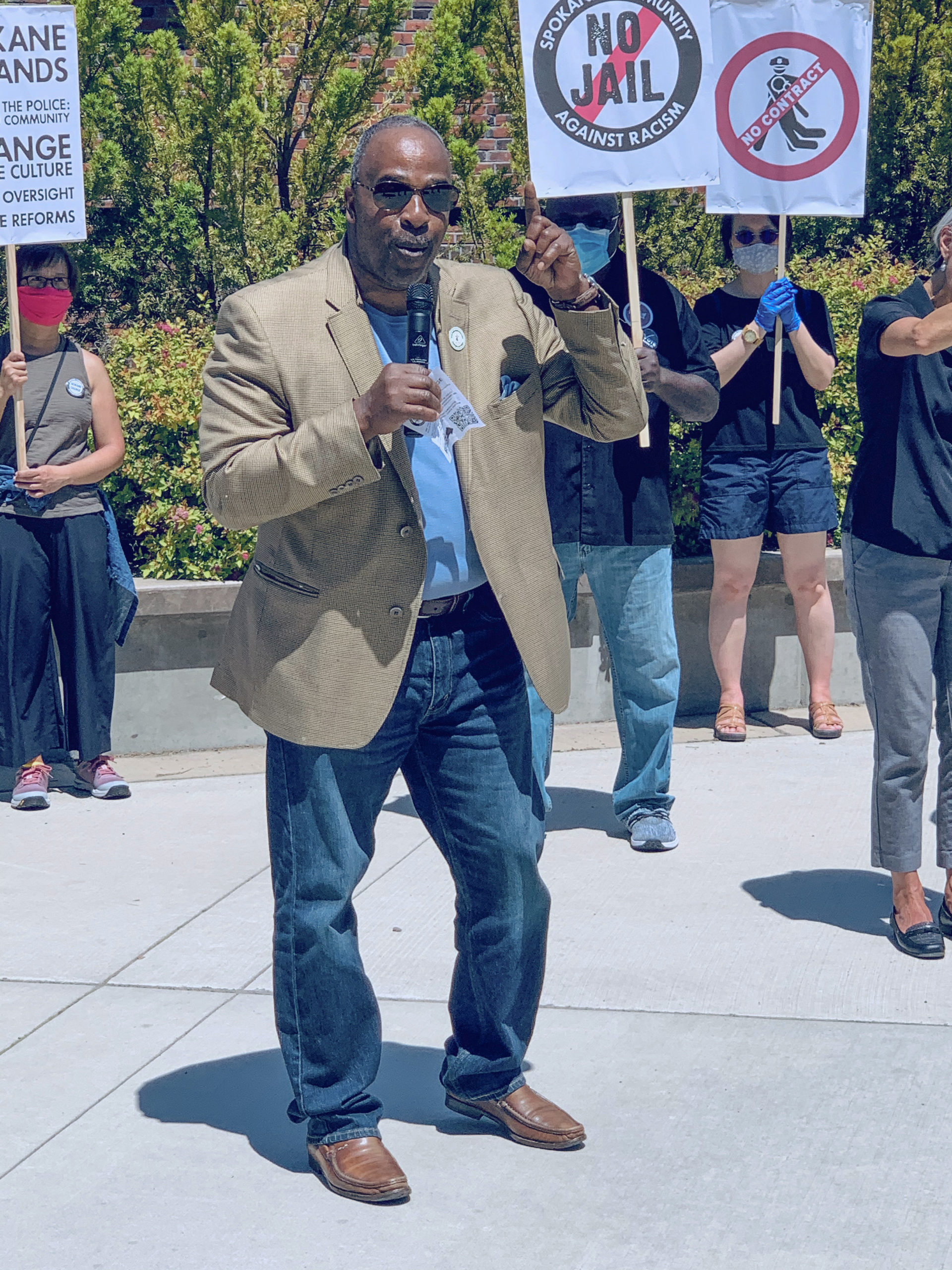
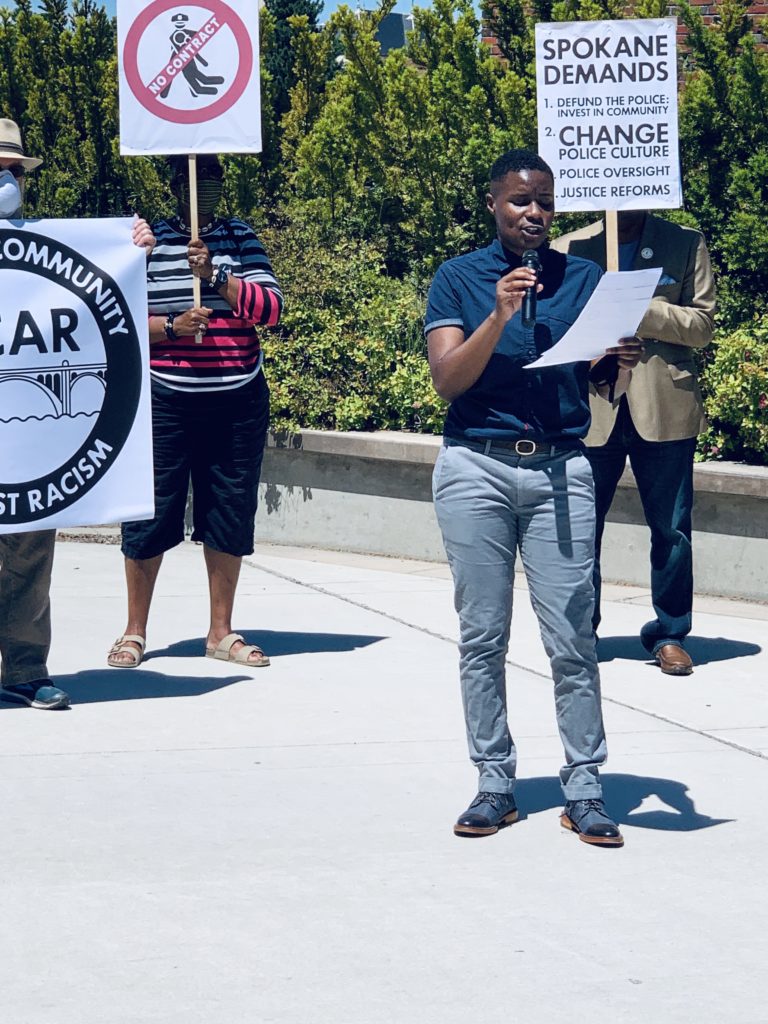
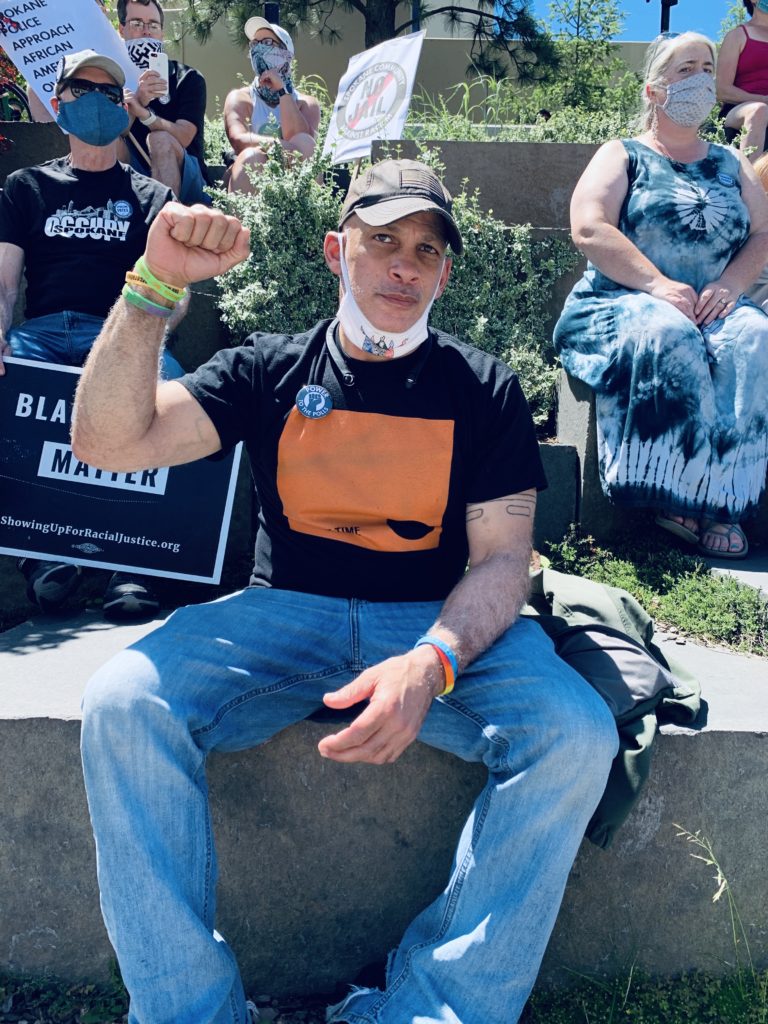
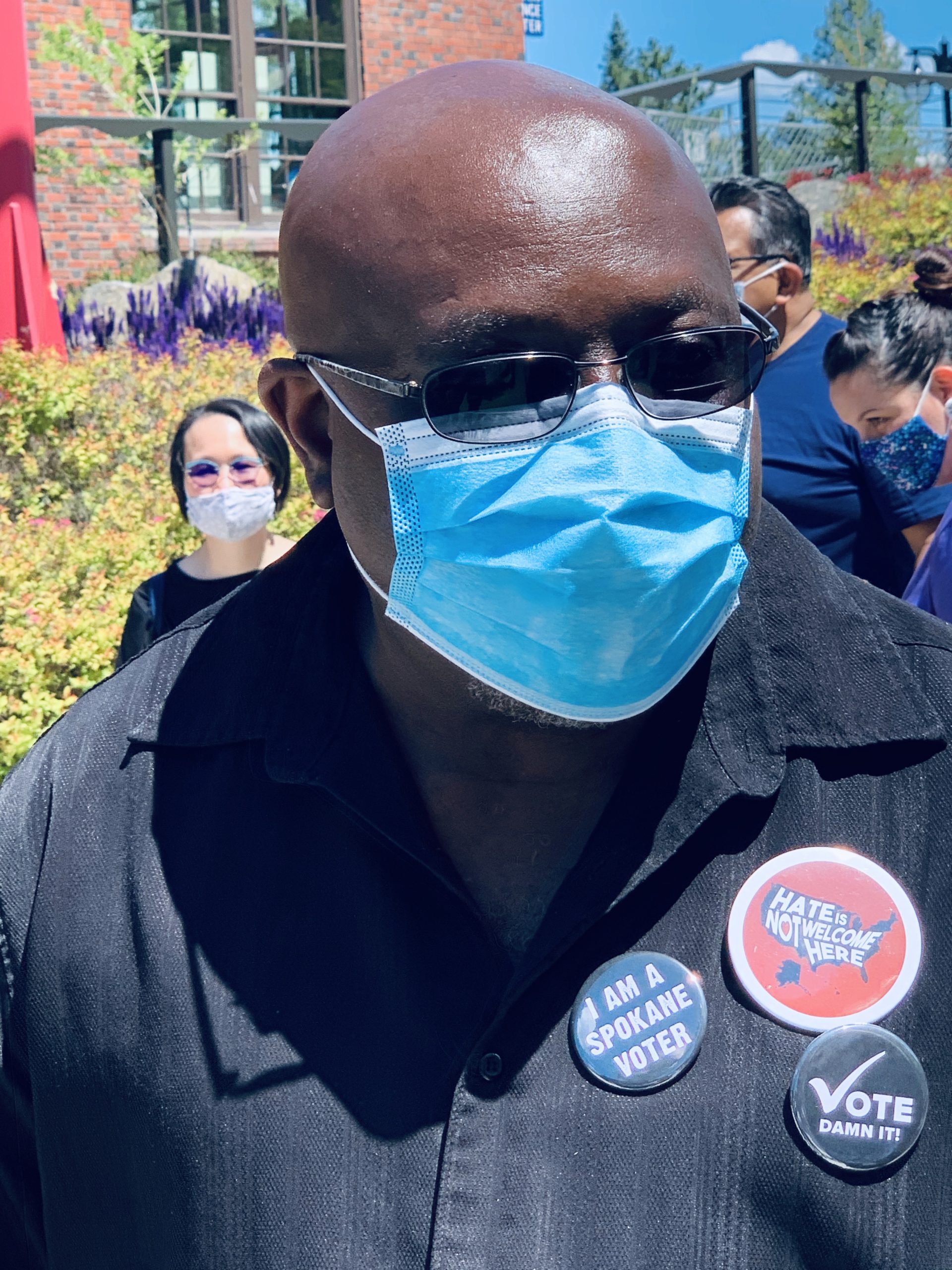
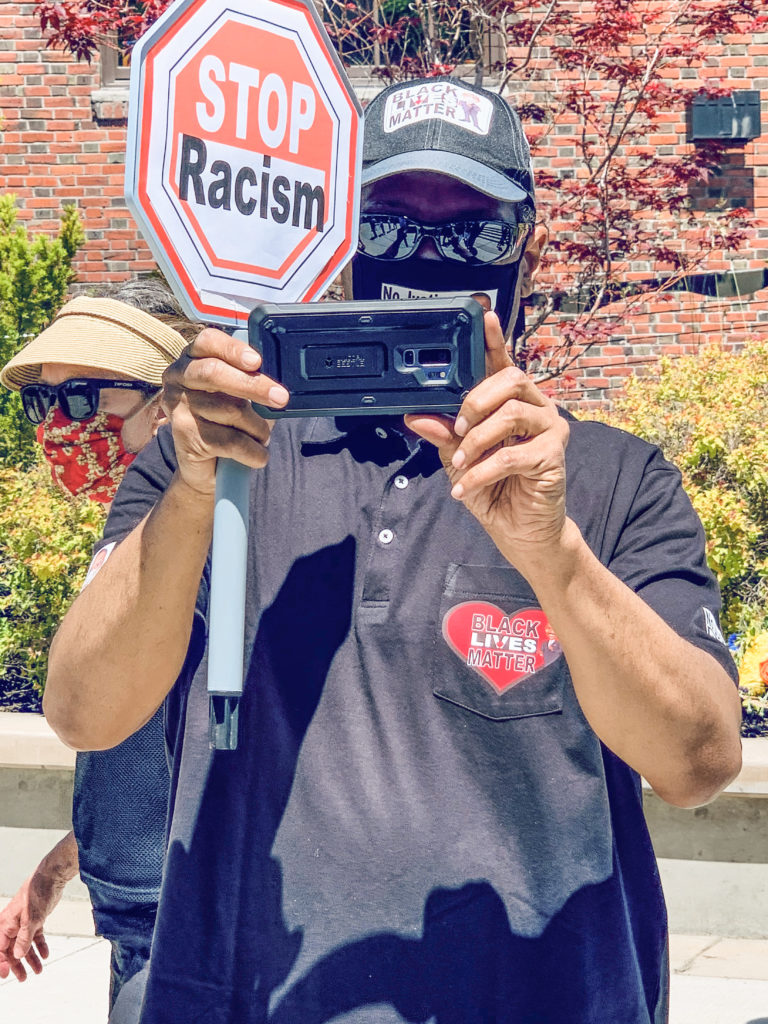
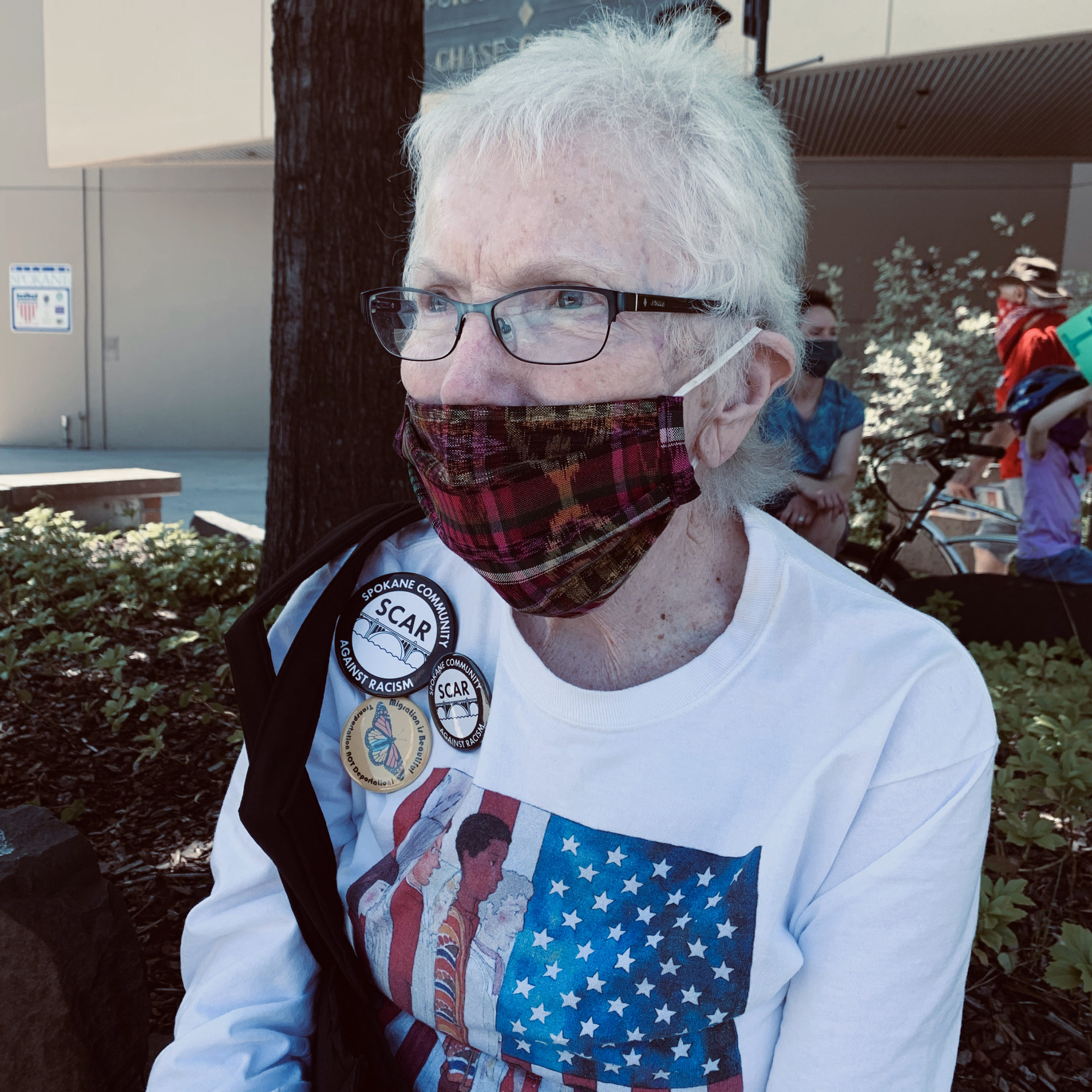
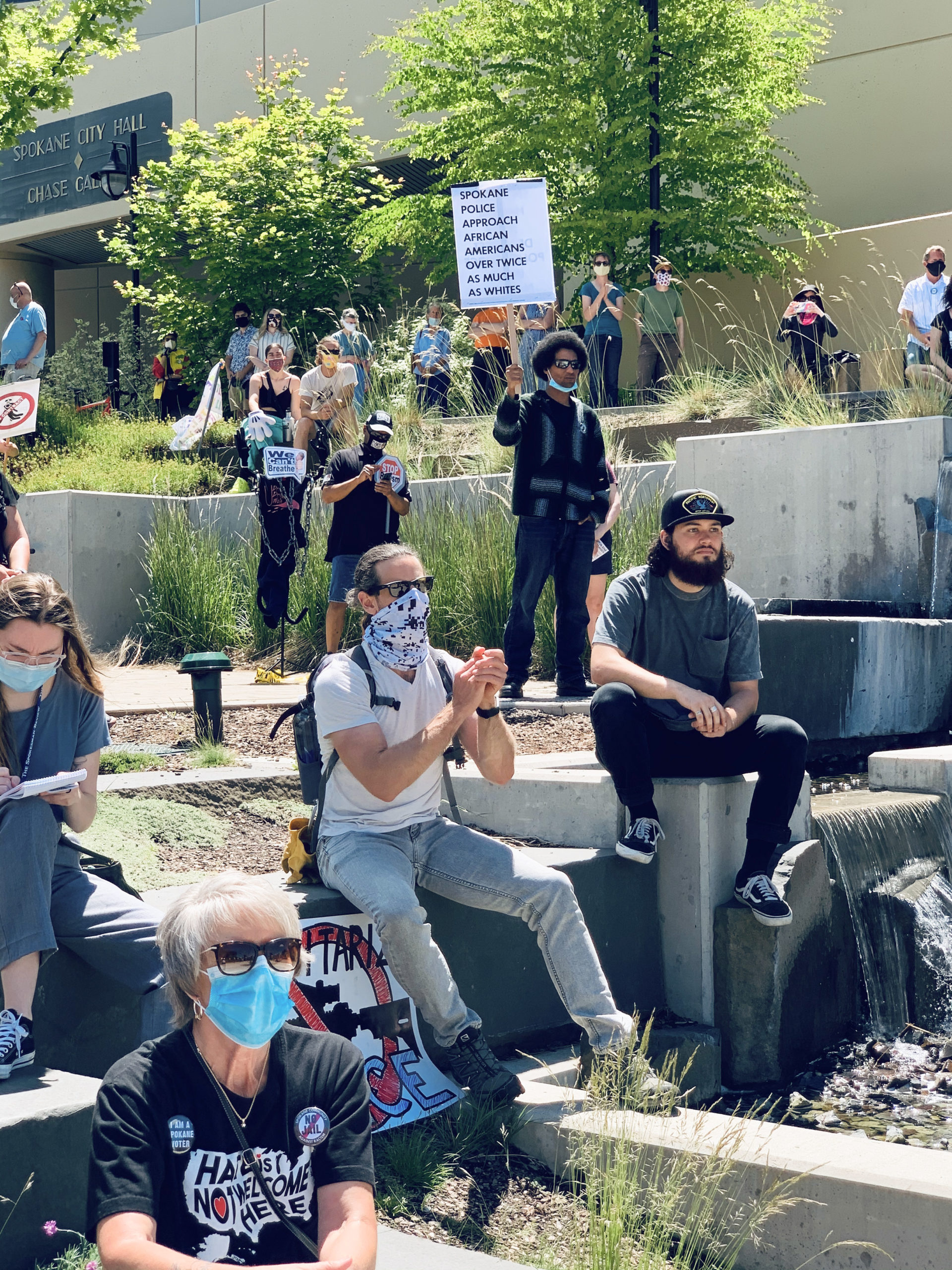
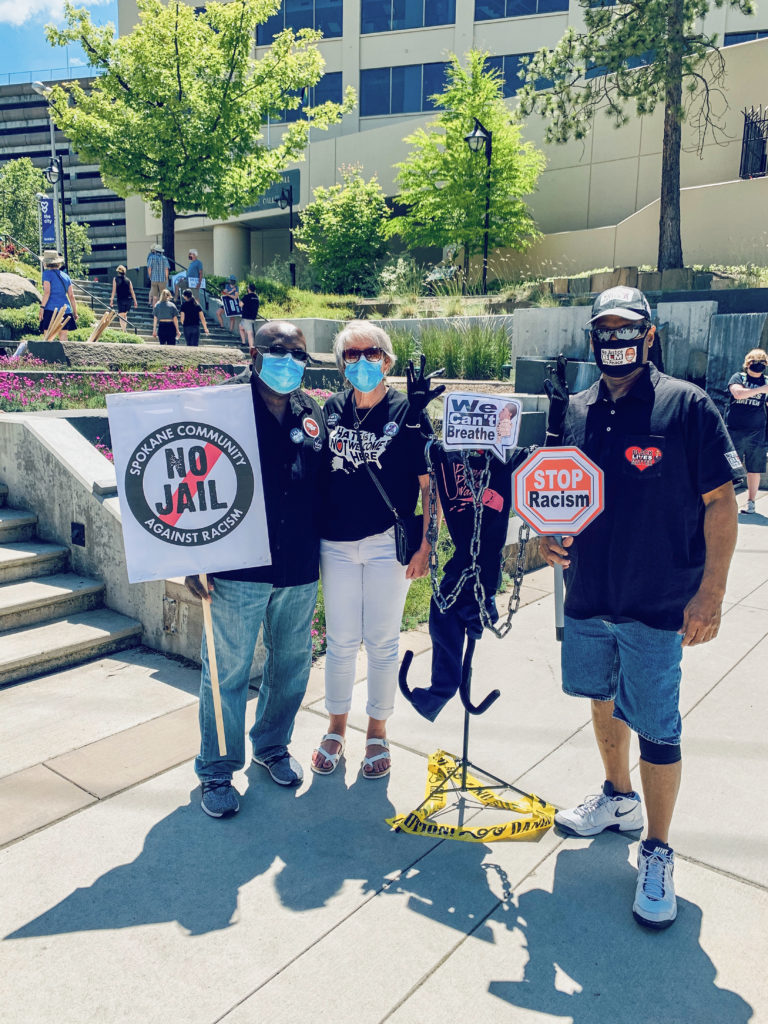
Friday June 19, 2020 at 12:15 at The Spokane Tribal Gathering Place (outside City Hall), SCAR and its partner organizations unveiled their full Platform for Change..
RELEASED: June 19, 2020
Spokane Community Against Racism (SCAR) and Asian Pacific Islander Coalition (APIC) – Spokane Chapter, Eastern Washington Progressives, Faith Leaders and Leaders of Conscience, FUSE Washington, Greater Spokane Progress, Hispanic Business/Professional Association, MAC Movement, Muslims for Community Action And Support, Peace and Justice Action League of Spokane (PJALS), Planned Parenthood Advocates of Greater Washington and North Idaho, Progressives of Spokane County, RAIZ of Planned Parenthood, Red Skirt Society, SHAWL Society, Smart Justice Spokane, Spectrum Center Spokane, Spokane Alliance, Spokane Ministers’ Fellowship, Tenants Union of Washington State, demand transformational change.
American policing tactics are rooted in white supremacy, fear, and violence. Spokane is not exempt from this, even though our mayor, police chief, county commissioners, and sheriff refuse to admit the true nature of the problem. In fact, Spokane has the 5th deadliest police force in the nation. We must end the cycle of fear and violence in our community and seize the opportunity during this tumultuous time to enact structural changes.
Death at the hands of police is not the only measure of racial violence. Here in Spokane, Black and Native Americans are disproportionately arrested, receive higher bail amounts, and are more likely to die in jail than whites. Our city and county officials know this. They have hired several consultants for millions of dollars to tell them so, yet they continue to ignore the good advice we all paid for.
At the invitation of the city and county, community members have spent thousands of hours sharing their testimony and lived experience in the name of community engagement. Yet elected officials have failed to honor this engagement by fulfilling their promises to decarcerate and advance racial equity.The residents of Spokane have fought officials numerous times to avoid building a new jail. Still—despite the wishes of the community—the County Commissioners and the Sheriff’s office continue to pursue a new, larger jail without first enacting the totality of humane, cost effective reforms which have been recommended to them over the past decade.
Sheriff Ozzie Knezovich continues to defend bringing the creator of “Killology,” a method of police training that teaches officers how to “…overcome the powerful reluctance to kill…” to train his deputies. He has doubled down on his support for killology training despite receiving thousands of petition signatures calling for the two-day seminar and workshop to be canceled. Spokane demands transformation. The unwillingness of the Mayor, Police Chief, County Commissioners, Sheriff, and other elected officials to heed expert advice and community lived experience, their stubborn insistence on expanding incarceration and entrenched racist systems, and their failure to listen to the community, convinces us that the elected leadership of Spokane does not grasp—or is not willing to meet—the needs of our community. We do not need more studies, consultants, conversations, forums, or media stunts. We are not interested in incremental change, but in drastic action.
To that end, we present the following Platform for Change. While we cannot hope to provide every comprehensive detail of necessary policy, we know the shape that change must take. This is the product of ongoing work within our community and around the country and is meant to serve as a mandate—it’s up to our leaders to help us all live up to its intent.
SCAR rejects the idea that the only way to increase public safety is to increase policing. The power of state-sanctioned force and threat of lethal violence wielded by police is often inappropriate and inadequate to address the diversity of situations they are sent to resolve. Police are frequently tasked with handling homelessness, addiction, mental health, intimate partner violence, and other conditions in which they have no formal expertise; the result is often harm, injury, or even death for those whom the police are supposed to protect. The weight of these injuries and deaths falls most heavily upon people with medical or mental health conditions, people of color—particularly Black and indigenous people—and people with disabilities. This is not a problem that can be solved with more training. Expanding the power or authoritative scope of police in our communities will not make us safer.
Instead, SCAR embraces a holistic vision of public safety, one that accounts for the root causes of crime, and recognizes that shared prosperity and community care are at the heart of a safe and healthy society. When people’s basic needs are met, and experts are empowered to work within their expertise, communities are free to flourish. The City of Spokane and Spokane County will be safer when our leaders follow the advice of their expensive consultants, and the best practices indicated by decades of research in this and other cities. We demand investment in historically underserved communities to create a vibrant and healthy environment where all families can thrive:
We demand public investment in culturally appropriate chemical addiction treatment and mental health services and diversion programs. These services should include crisis care, long-term in-patient, and out-patient care. Police are not mental health professionals and incarceration should not be a stopgap for healthcare or an underfunded social safety net.
We demand strong tenant protections and funding for permanent affordable housing to intentionally address racial disparities by providing equitable, stable, quality, safe, and accessible housing for all. We call on our city and county governments to implement just cause eviction and remove barriers to fair housing choice as indicated by the City’s 2019 Analysis of Impediments to Fair Housing Choice. Greater Spokane Progress and the Tenant’s Union of Washington State are working in this area, use their expertise to help shape policy.
We acknowledge and support the recently passed Public School Resolution Supporting the SPS Student Community Related to Racial Equity, and we believe this resolution represents a promising beginning to the work of racial equity and inclusion in Spokane Public Schools (SPS). In the interest of continuing this work, we demand an end to the contract between the Spokane Police Department and Spokane Public Schools.
SPS has the largest school policing budget in Washington State at $2.2 Million. That’s $2.2 Million spent to support the School-to-Prison Pipeline, a system which disproportionately funnels children of color from educational settings into the criminal justice system. Using police to address student behavior positions students as potential criminals who require management through the threat of legal and physical force, instead of recognizing them as children who are learning to manage conflict and their emotions.
We demand investment in school counselors, restorative conflict resolution practices, and activity programming which provides youth with constructive outlets and interpersonal learning environments. The ACLU of Washington has been at the forefront of this issue, listen to them.
Public trust in the SPD is broken. It’s the 5th deadliest police force in the nation, and officers have been using the same knee-on-neck restraint that killed George Floyd until June 8th, 2020. We believe it is necessary to start fresh.
Disband the police department, and hire a smaller group of officers to carry out narrowly defined, law-enforcement duties. In 2016, the Police Leadership Advisory Committee (PLAC) put together recommendations for the hiring of a new police chief. These recommendations, which could have helped revolutionize the culture of the SPD, were ignored. We believe these recommendations should be applied to all officers hired to work in the City of Spokane. PJALS has been deeply involved in this work, listen to them.
While we do not believe the fundamental problems with American policing can be trained away, we support the will of Washington State Voters who voted decisively in favor of Initiative 940. Passed in 2018, Initiative 940 requires police receive training in de-escalation and mental health, and enforces the duty of all police officers to render first aid. It is our hope that with these tools police will be less likely to use lethal force, and that when they do, that force is less likely to result in death.
De-escalation and mental health training have the potential to not only act as positive tools in the current policing toolbelt, but to provide an additional standard to which police can be held accountable.
Our city is not a warzone, and weapons of war should not be used on our streets. This includes tear gas—a chemical weapon which is banned by the Geneva convention—and all repurposed military surplus equipment. Military uniforms, vehicles, and weaponry communicate to the residents of Spokane that the police view them as enemy combatants. Furthermore, militarized uniforms encourage a “warrior” mindset in police, which emphasizes readiness for violent conflict over the relationship-based work of building community trust. Spokane does not need street warriors, Spokane needs public servants we can trust; from their uniforms to their equipment, police should be equipped for the job that is needed.
Independent Oversight with Investigative Power is a necessity at the Spokane Police Department and the Spokane County Sheriff’s Office.
We demand that the Office of Police Ombudsman (OPO) be empowered to conduct independent investigations and publish public closing reports. We demand that the OPO be free to conduct these independent investigations without fear of reprisal by the Police Guild.
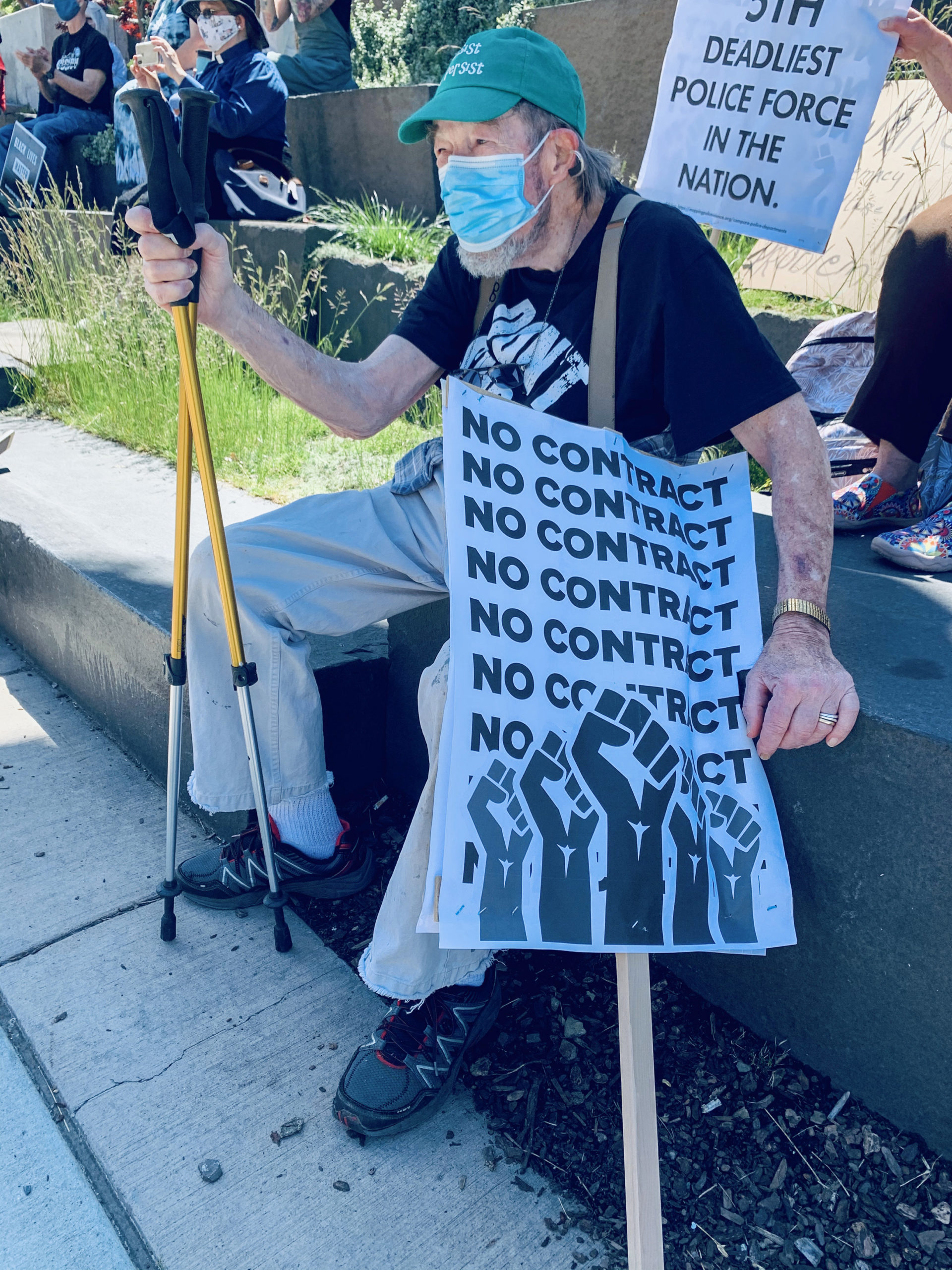
A poison pill amendment to the Police Guild’s contract with the City of Spokane, which is still being negotiated, would allow the Police Guild to preemptively file a grievance against an Ombudsman candidate in an effort to prevent their appointment. It further empowers the Guild to attempt to have the Ombudsman or an OPO Commission Member removed for “exceeding their authority under the collective bargaining agreement.” Police cannot control the fate of the body that oversees them. We demand that the Spokane City Council reject any contract that fails to protect OPO independence.
NO CONTRACT without independent investigative power and public closing report. NO CONTRACT with police guild oversight of the OPO.
Body cameras should be mandatory for every SPD officer and County deputy as a tool for reviewing police encounters with Spokane residents. Body cameras do not prevent violence, but they can be valuable for holding the police accountable. Turning off a body camera should come with an automatic charge of destroying evidence.
We urgently need to adopt effective, restorative policy solutions that are driven by the needs of those impacted by our justice system.
We demand divestment from the prison industrial complex: NO NEW JAIL; end policies that criminalize poverty, homelessness, and addiction; end cash bail; and end draconian drug charging decisions by the County Prosecutor’s office.
Instead, the city and county should invest in racial equity tools throughout our justice system; release criminal justice system demographic data; and adopt least-restrictive alternatives to jail with fully funded pretrial services. Smart Justice Spokane has been leading on these issues, and we demand our government listen to and collaborate with them.
Impartial judges are the ideal, but we know that their decisions are vulnerable to the forces of systematic oppression and unconscious bias. For this reason we demand that the county, in cooperation with the courts, release sentencing data dis-aggregated by judge and defendant’s demographic information, including race and gender. With this data, voters—and the community groups who help keep them informed—will be empowered to identify racial sentencing disparities, and if necessary, right them at the ballot box.
The City of Spokane needs a fully funded and staffed Office of Civil Rights. This office would work within the City government to advance civil rights and end barriers to equity. It would regularly assess the city’s approach to racial equity, and provide education and training to government and local entities. The Office of Civil rights would receive civil rights complaints from the residents of Spokane, address hate crimes, and ensure that laws against illegal discrimination in employment, housing, public accommodations, and contracting within Spokane city limits are equitably enforced. The Office of Civil Rights Exploratory Committee and Greater Spokane Progress are already working on the structure of this office. Listen to and collaborate with them.
These are just some of the changes that Spokane needs. These demands are rooted in the data-backed reality, and the spiritual conviction, that a punitive approach to public safety has never, and will never, yield a free and equitable society.
Policing can no longer be the bandaid we affix to every social wound. Instead, we must build a Spokane where everyone is free to thrive. The time for incrementalism and half measures is past. This community demands transformation, and will continue to do so in statements, in public meetings, at the ballot box, and in the streets. It is up to our leadership to listen, and to do the jobs for which they were elected. The people are watching.
Take Action: Send letter of support to Spokane Leadership!
Download a PDF of the Platform
Donate to help spread awareness of this platform
Spokane Trial Bushnell Shoots Pointdexter: Bushnell Transcripts

Pass this out at every march, rally and meeting you attend
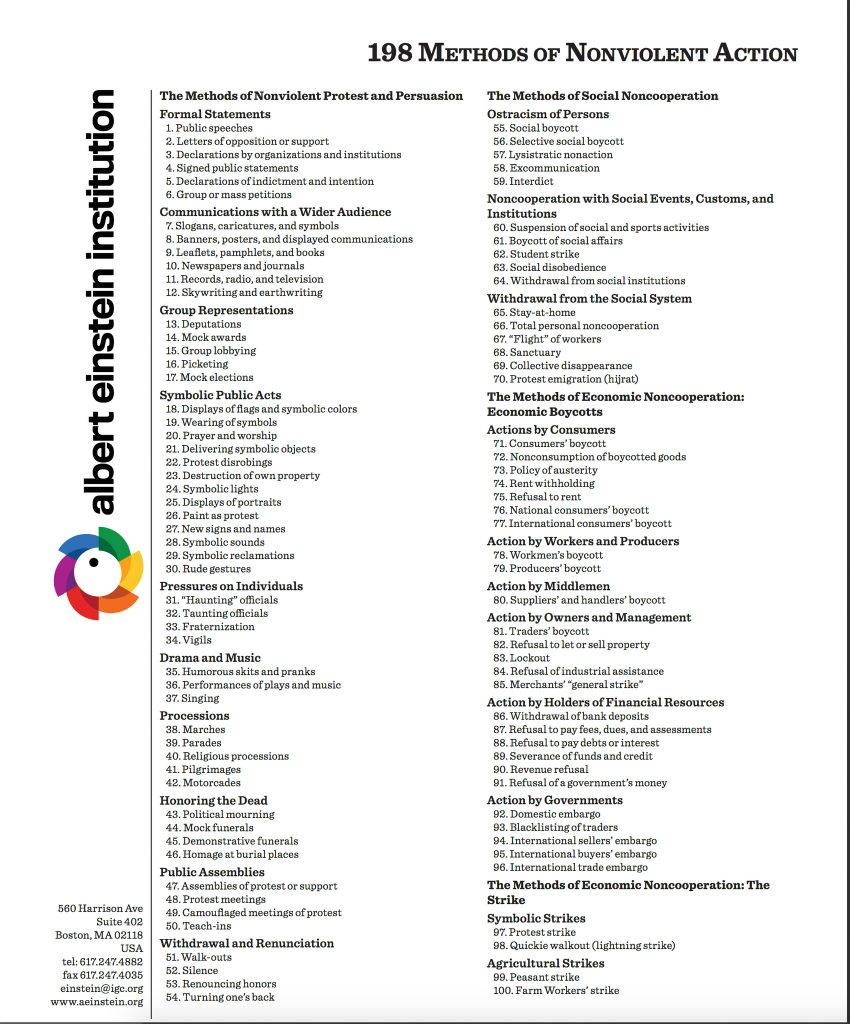
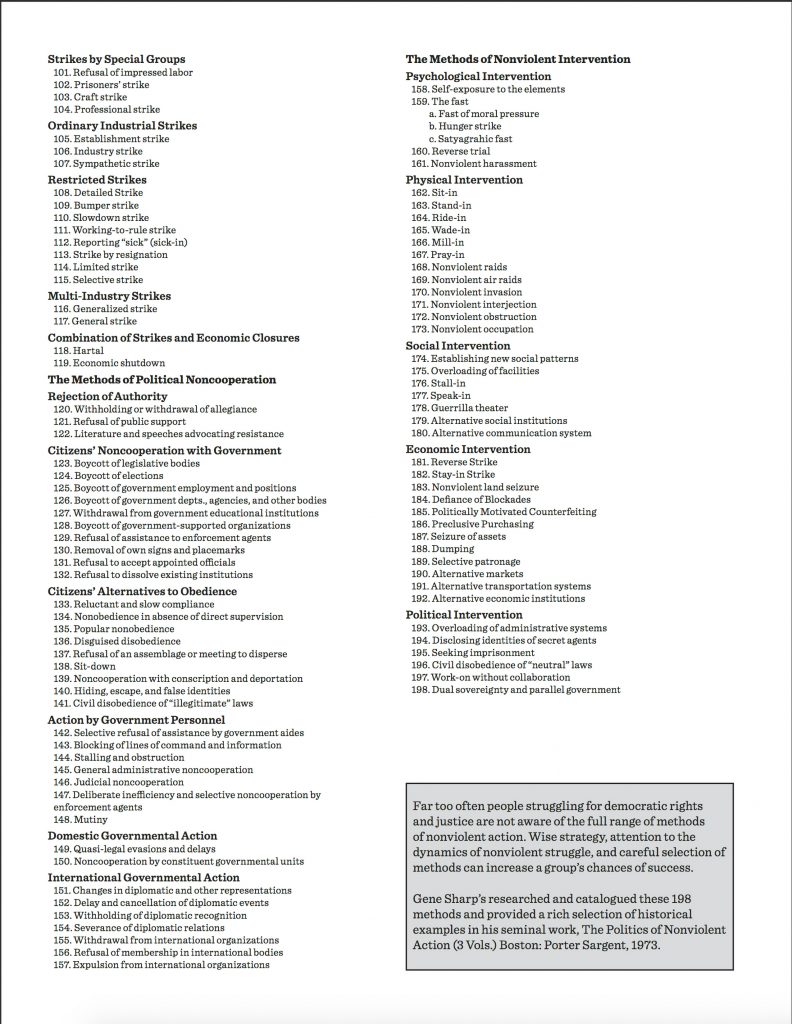
198 Methods of Nonviolent Action source
Practitioners of nonviolent struggle have an entire arsenal of “nonviolent weapons” at their disposal. Listed below are 198 of them, classified into three broad categories: nonviolent protest and persuasion, noncooperation (social, economic, and political), and nonviolent intervention. A description and historical examples of each can be found in volume two of The Politics of Nonviolent Action, by Gene Sharp
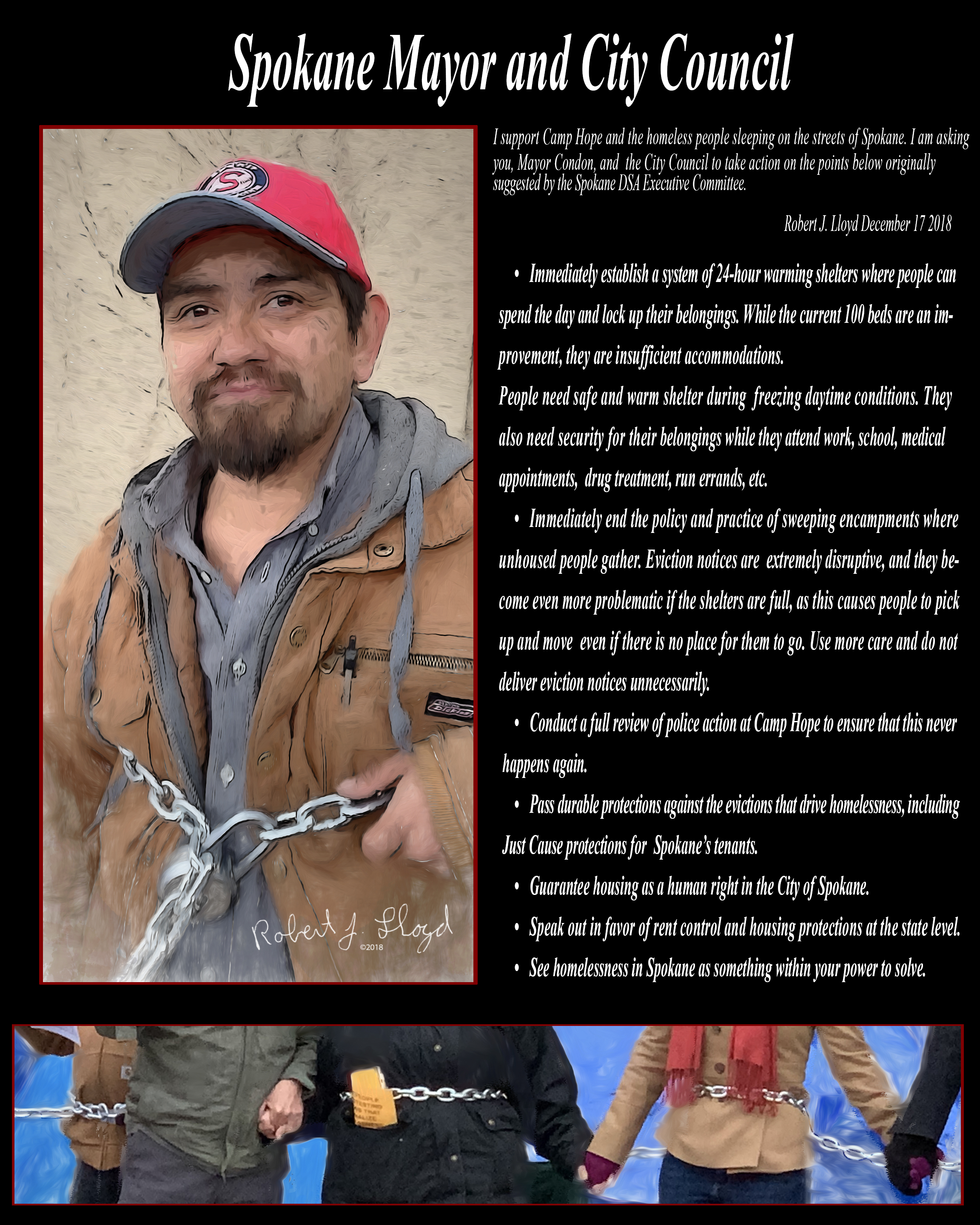
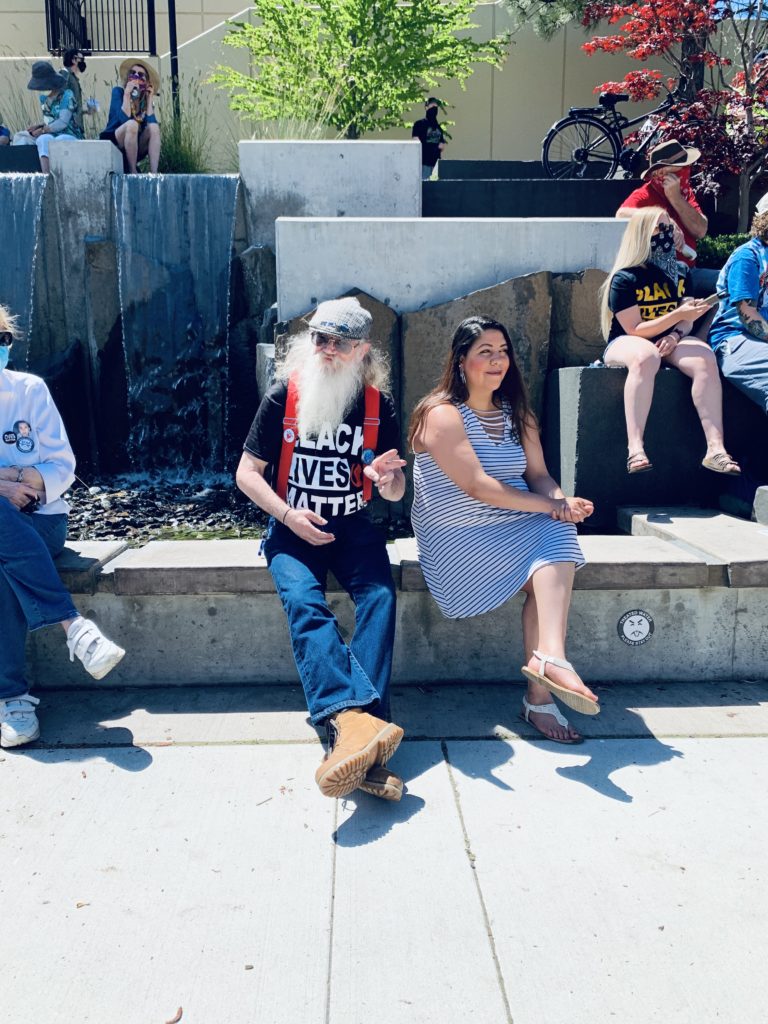
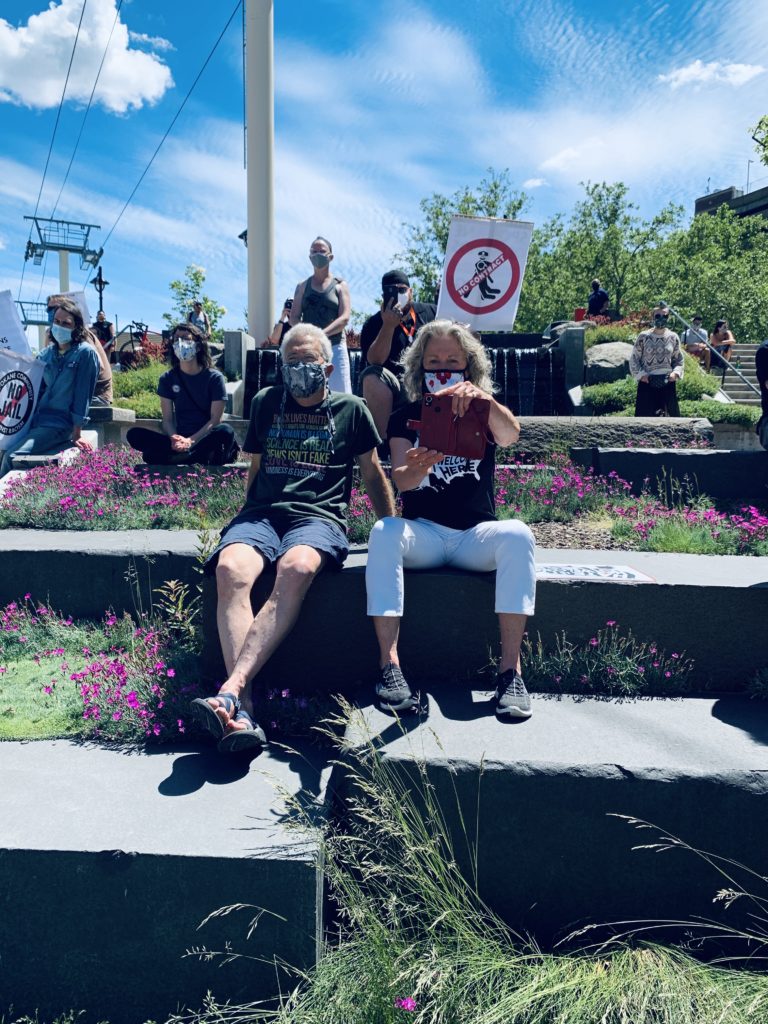
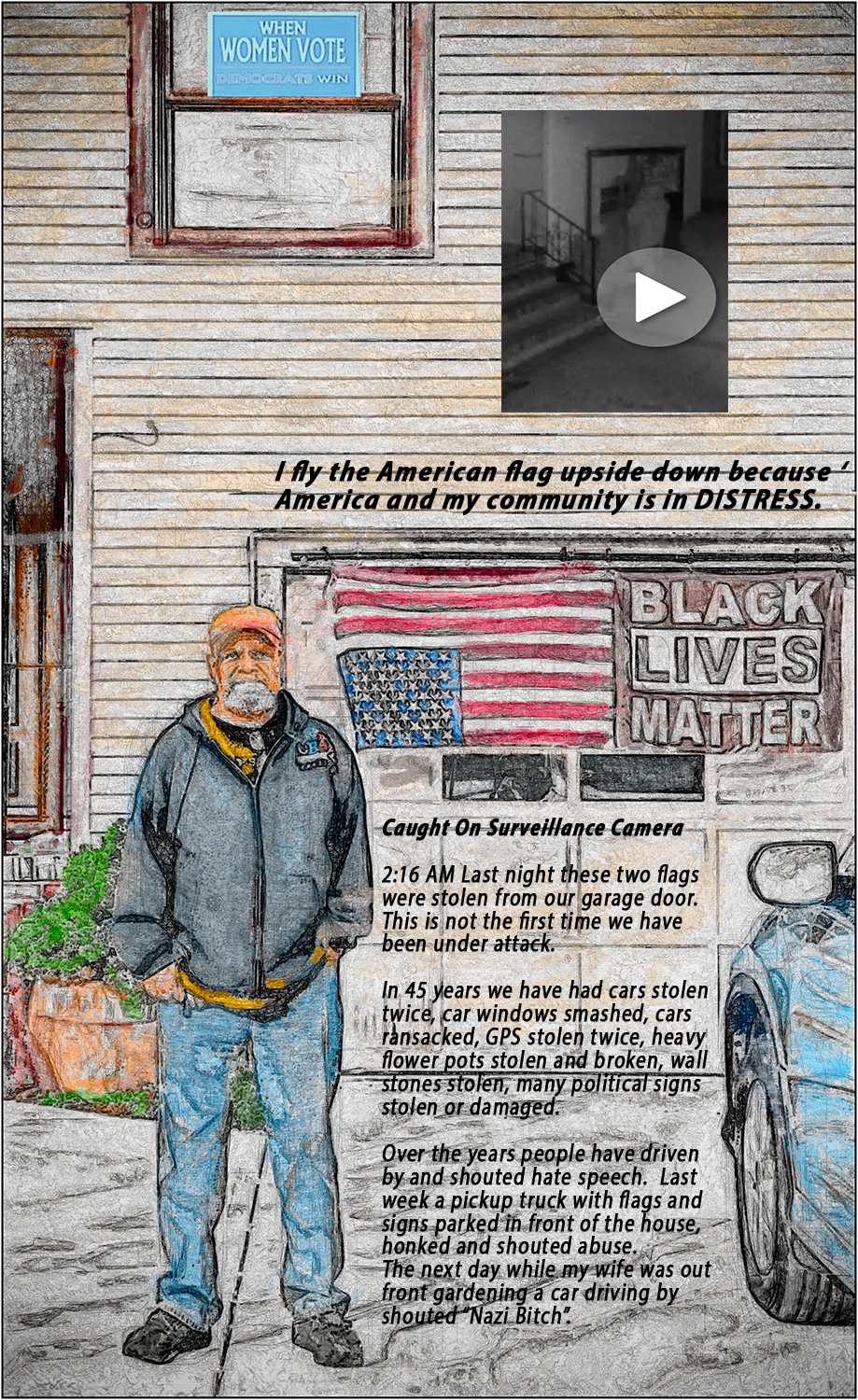
Images by Robert Lloyd, www.4comculture.com
The exhibition is a subtle reminder of where bigotry begins. I am placing myself outside my comfort zone in order to build my path to tolerance as an artist and a human being. I’ve often heard it said that we are all in this together. Now I am seeking a consensus on where we can build common ground, around issues that we can support together. If you would like to help build a grassroots movement click on the image below and print it. Gather signatures and email addresses and mail them to: Robert Lloyd 3314 S. Grand Blvd. Spokane WA 99203.
Those of you in the Spokane area who have seen the show and would like to receive a print collect at least 25 signatures and email addresses and bring the list to the reception on Oct 4 4:30 – 6 pm at the JFK Library at Eastern Washington University. You will receive an unframed 11×14 matted print at the end of the show.