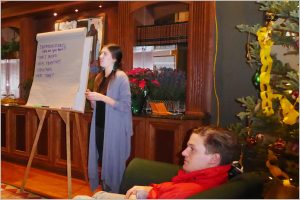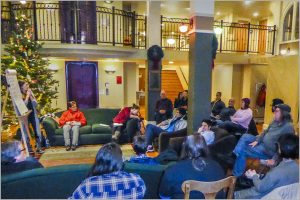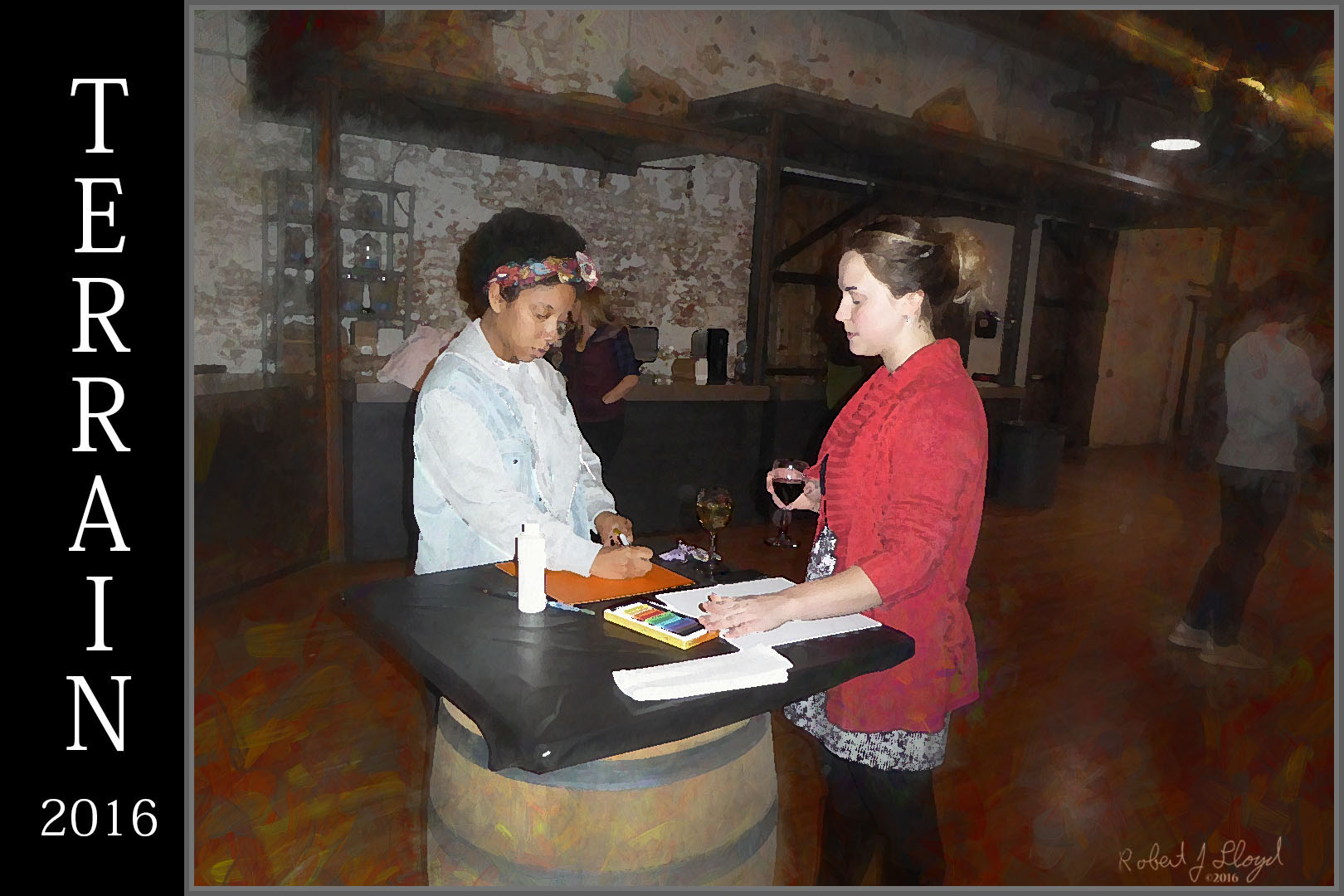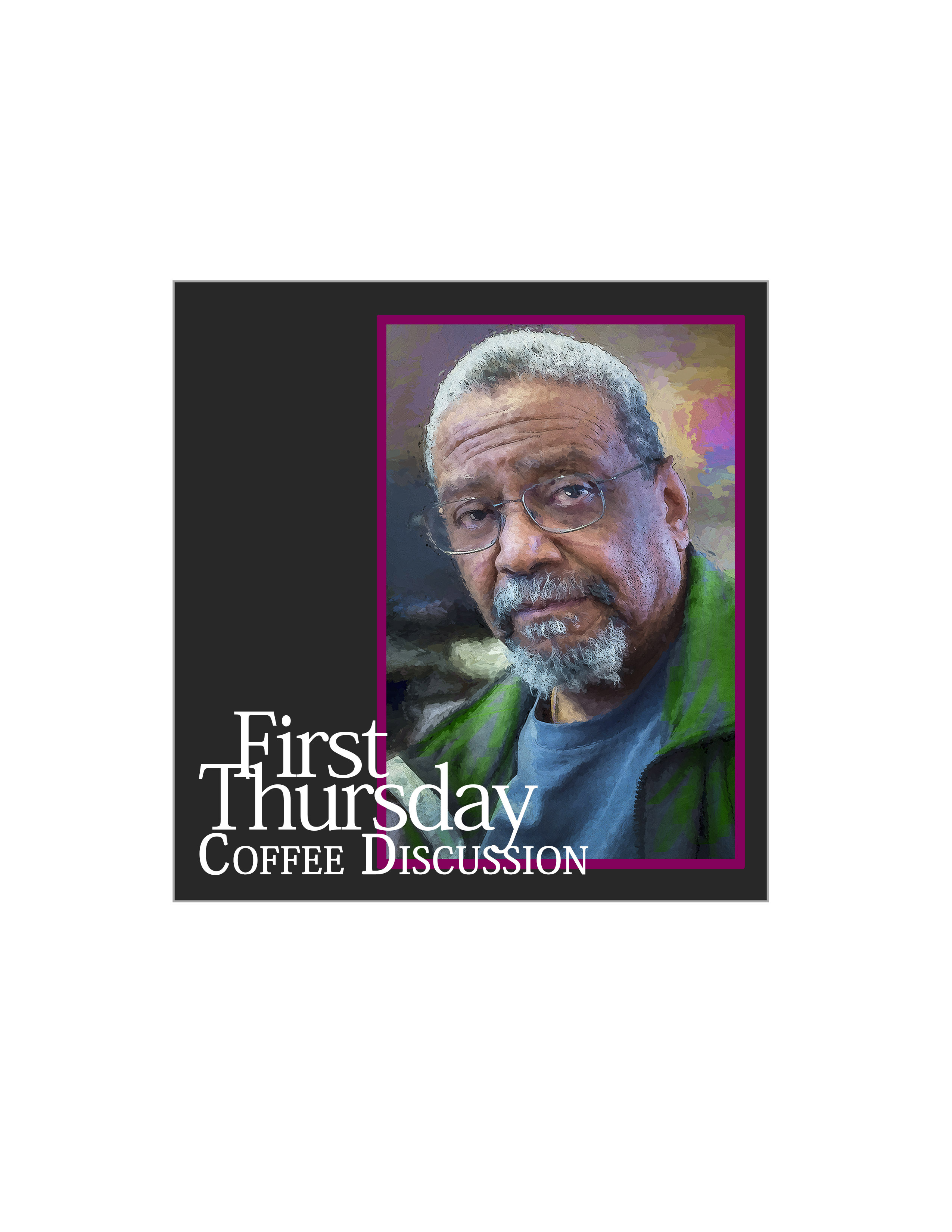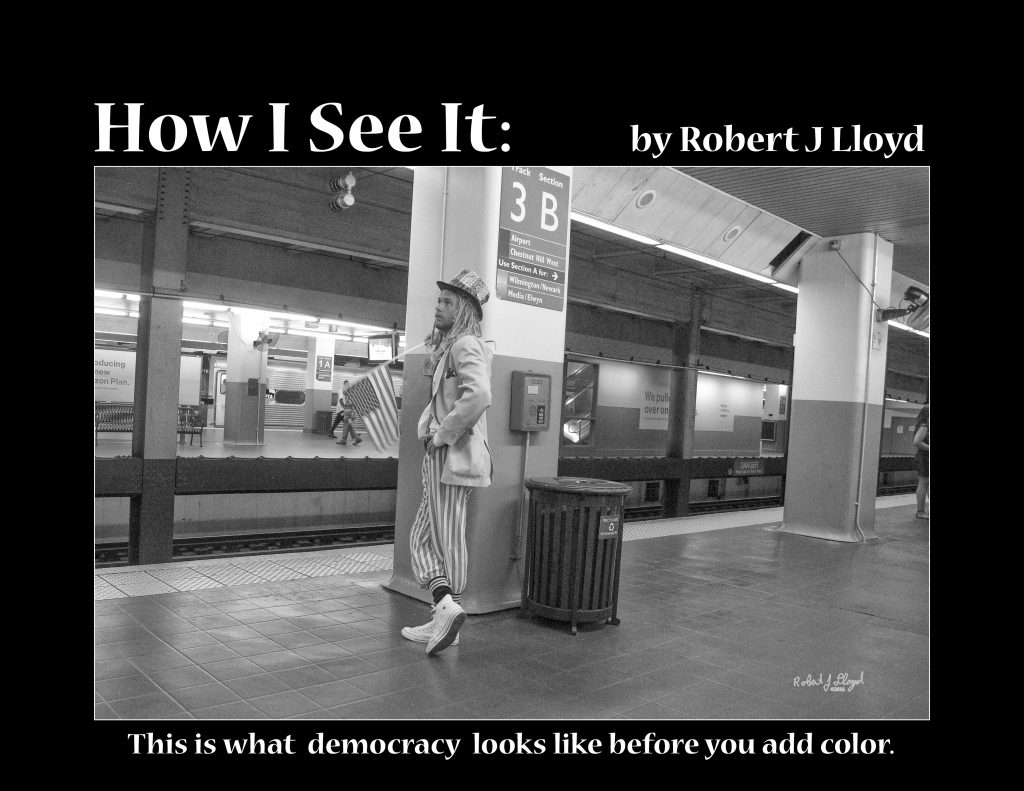

THURSDAY December 1st bring ideas for the life after DONALD. Drop in ANY coffee house and start A DISCUSSION don’t wait on me! I am with Jay, Ron, Idris and Jim will be having are usual Thursday discussions at 10am the same place on the Spokane South Hill. We can make changes one cup at a time. Report back after you meeting. (Message me Robert Lloyd on Facebook for my coffee spot)
Category Archives: Community
PJALS Anti-Hate Rally Spokane WA
Salem Lutheran Church November 17, 2016
Protected: Photos for AKIRA & FAMILY
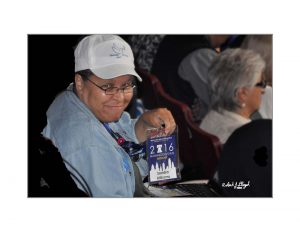
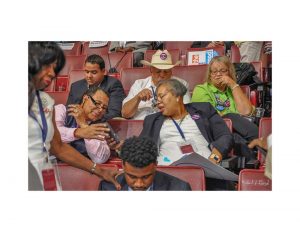
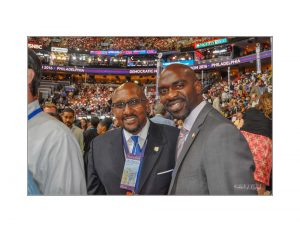
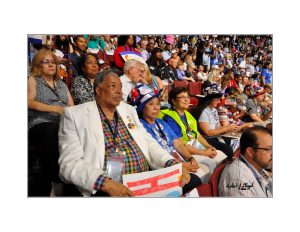
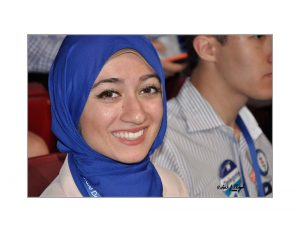
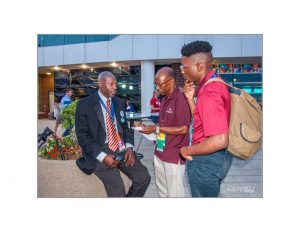
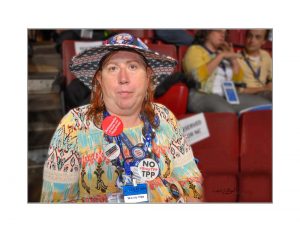
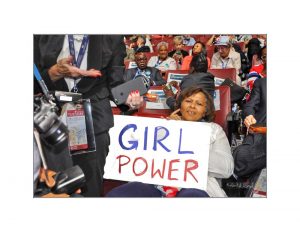
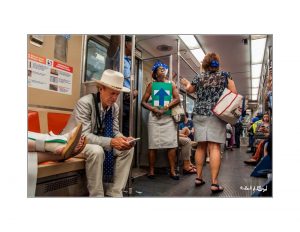
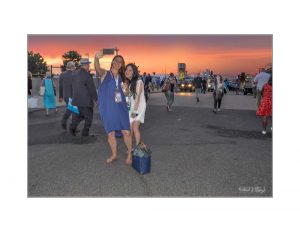
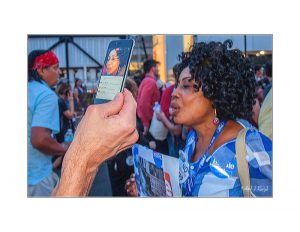
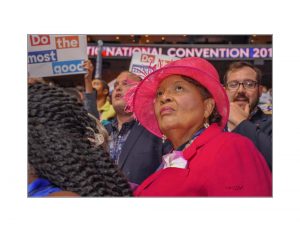
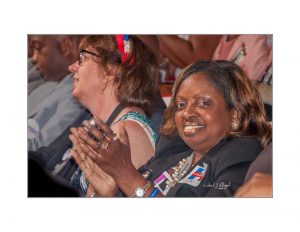
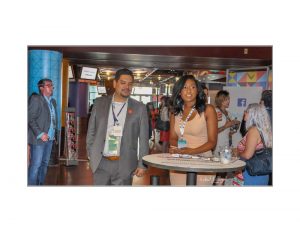
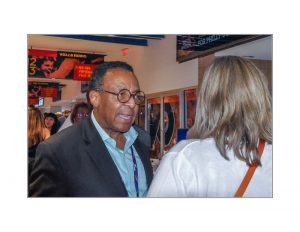
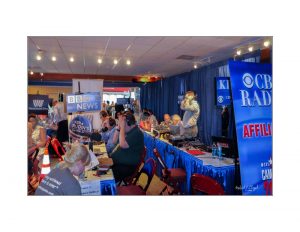
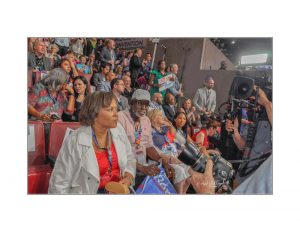
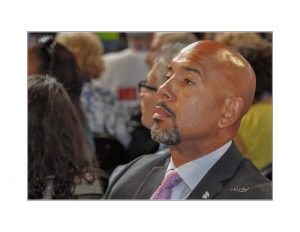
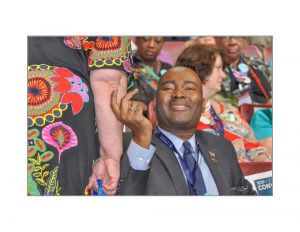
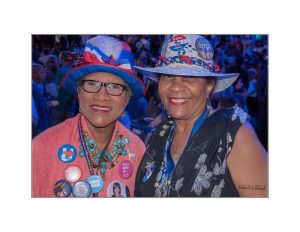
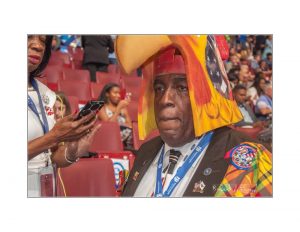
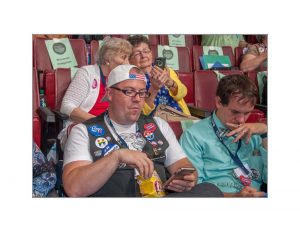
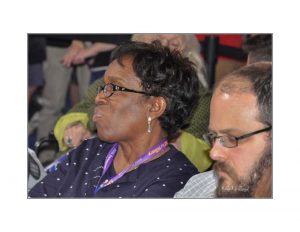
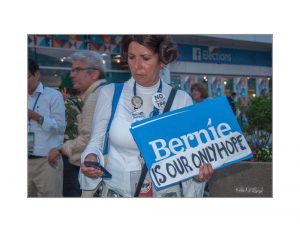
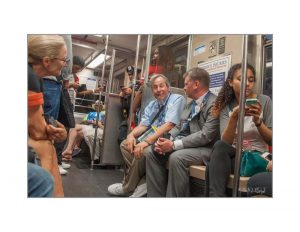
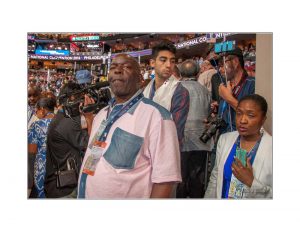
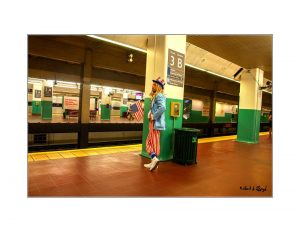
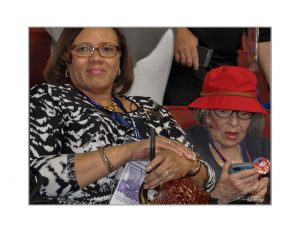
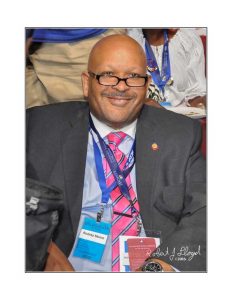
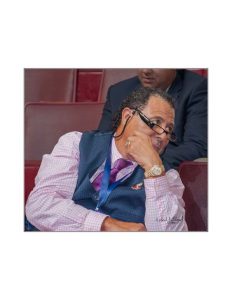
The 2016 Democratic National Convention
Living in the Inland Empire of the Pacific Northwest we hear President Obama talk about hope and we see glimpses through the national media and online communications that a change is coming but it has not yet hit our corner of the northwest. The Democratic Party, progressives, the Socialist Alternative and churches have little to show in the way of diversity other than tokenism. Seeing the Republican Party’s convention and their choice of Donald Trump as presidential candidate makes one lose hope in the future of America.
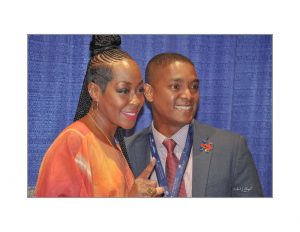
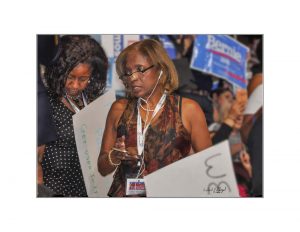
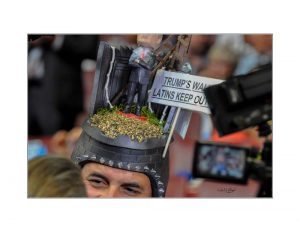
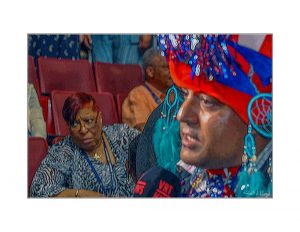
The 2016 Democratic Convention showed what democracy can be when color is added. Taking these pictures inspired this visual communicator and I hope looking at them will inspire you too.
Follow How I See It: the 2016 Presidential Election. Visit the page to view more pictures and share your responses.
I dedicate these images to Anderson Stoakley Lloyd, my 8 year old grandson. I want to thank Diane Lloyd, my wife, my support and technical assistant; Sandy Williams and the Black Lens News; Pastor Percy Happy Watkins and New Hope Baptist Church; and Philadelphia cousins Ramona Rousseau-Reid and Joseph Reid.
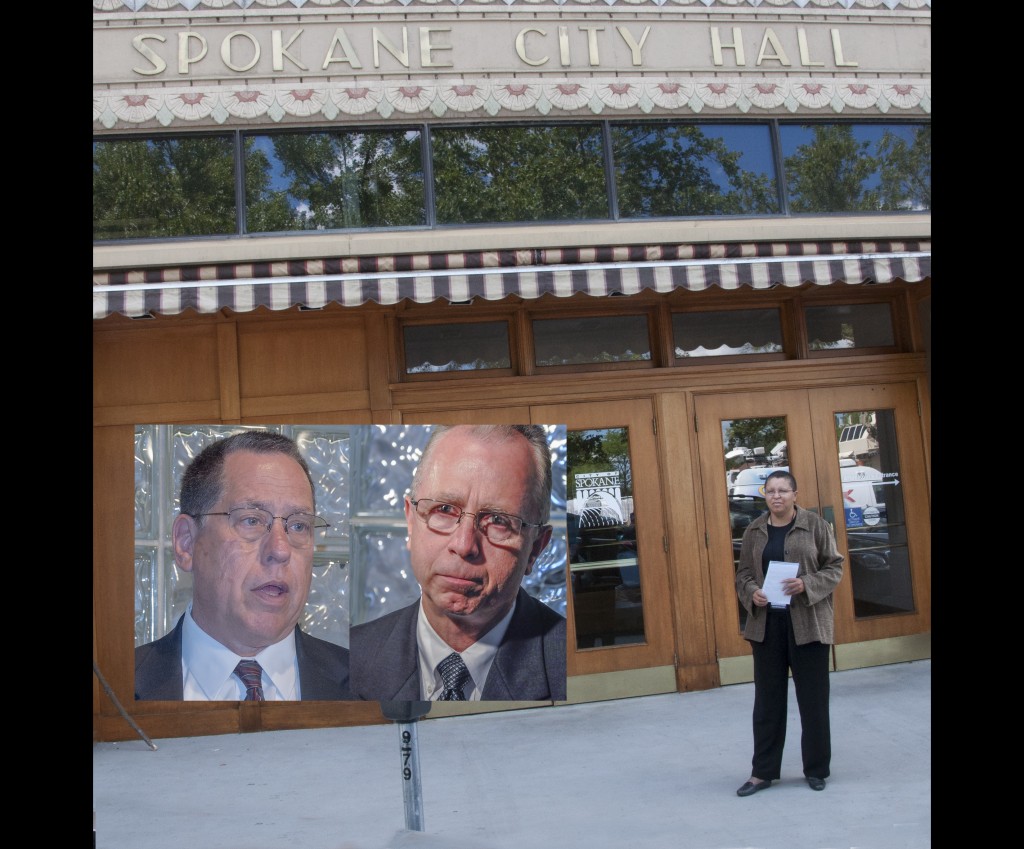
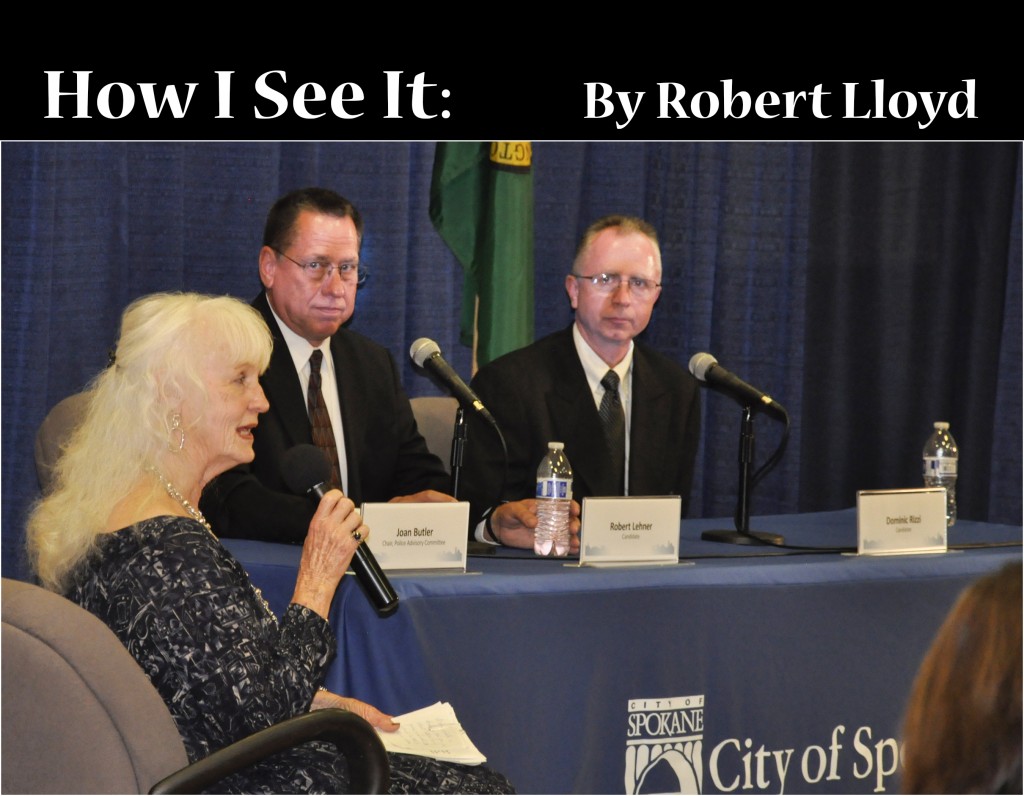
Spokane Again Interviews Police Chief Finalists
Black Lens News Editor Sandy Williams has one-on-one interviews with finalists Robert Lehner and Dominic Rizzi.
Joan Butler, Chair of Police Advisory Committee presents community member questions that were emailed in advance. Participants in the audience felt that their questions had been cherry picked.
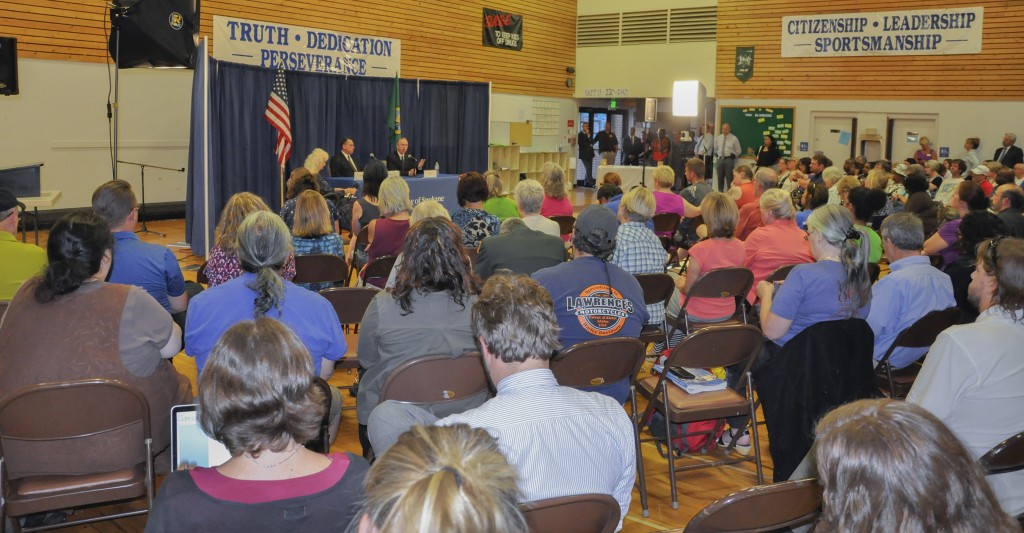
Audience listens to candidates respond to questions.
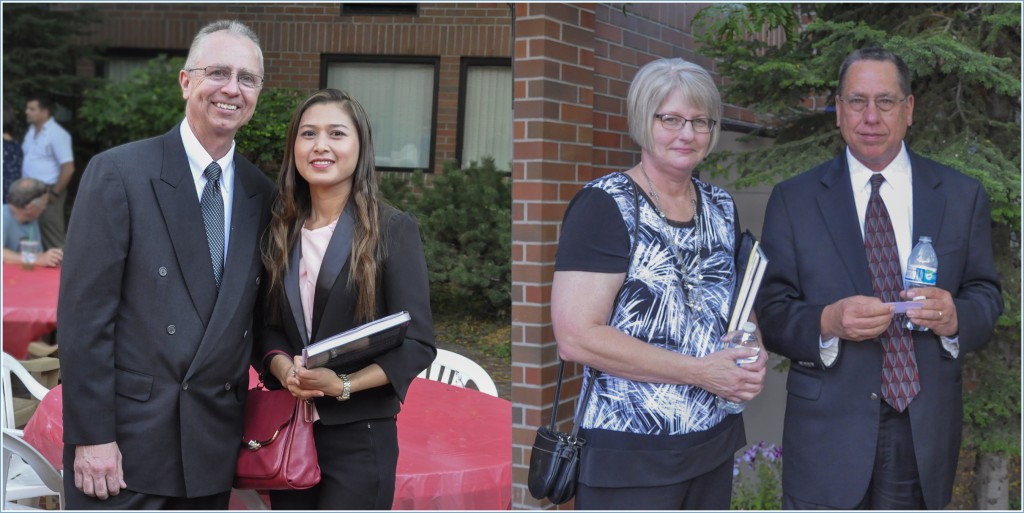
After the question and answer period finalists remained to mingle and respond to those who felt their questions had not been answered.
Now that we have questioned the candidates how do we give input to the mayor on the decision? These are the ladies who will have the final decision.
Spokane Vigil Had Three Parts
Let’s Fight for the Real Issues
Racism and the Media Discussion
Ben Cabildo of Community Minded Enterprises hosted a panel and discussion on racism and the media at the Community Building March 25 moderated by Raymond Reyes, Vice President, Gonzaga University.
For more information on this topic visit the Northwest Alliance for Responsible Media. The Alliance is “committed to monitoring the influence of news and entertainment media on our society, educating the community about this influence, and working with media professionals to influence the industry to act responsibly in helping create a thriving cultural environment for all”.
For more information about this event see the May 2016 issue of the Black Lens News.
Click this link for more photographs and images by Robert J. Lloyd
Presidential Campaign in Spokane
Bridging the Generations: A Solution
There is a failure to communicate in African American institutions, churches, community and family. This has led to ineffectiveness in our social justice concerns as illustrated in the article Under One Roof, Divergent Views on ‘Black Lives Matter’.
Here is one solution to bridging the generations.
Level I: Icons: The 60 Plus Generation
The people in this generation are the ones who have shown community service and activism. They represent tremendous amounts of wisdom, knowledge, experience and history that could be passed on to younger generations. There could be an annual forum where they can provide wisdom and moral support but not make policy. A small group of 5 or so would mine the resources of their age group and recommend individuals to bring their wisdom, history and experience to the late career generation.
Level II: Late Career Generation
There is a late career generation (40 – 65) that has skills, resources, contacts and finances to contribute. They can consult with the Level I Icons and bring resources and raise funds for Levels III and IV but do not need to provide a lot of time nor make policy.
Level III: Early Career Generation
The early career folks (25 – 40) have challenges such as moving ahead in their jobs, raising children and navigating them through institutions such as school. They also have fairly recent education, housing, job hunting experiences and more. Having just gone through or presently going through these challenges should give them insights for developing policies. They can become advocates for children. They would train and check in on the young adults and respond to questions and concerns.
Level IV: The Dreamers
Young adults (18 – 30) are the dreamers. When Martin Luther King Jr spoke about having a dream this is who he was. They have ambition, time, energy, security, not as many responsibilities. They will survey the needs of adolescents and their communities. They can develop programs and then carry out policies and programs. They can take risks, experiment with new challenges. They can relate to the struggles of young adolescents, mentor them, do peer counseling and provide role models for them. They can work with younger children to meet their needs, develop services for themselves and younger folk, at the same time gaining experience. This is CORE. This is SNCC. They are the SCLC field staff, the NAACP youth organization, the equivalent of the protesters of the 60’s. They are Black Lives Matter.
Level V: Our Future
Adolescents (12 – 18) are the target for programs carried out by The Dreamers. They need to be educated, made aware of future challenges and how they can be prepared for them. They can be guided toward broader opportunities, public service and the fun and satisfaction of working with others toward a common goal. Make up and size of target groups of adolescents need to be managed and controlled. Each group should be culturally, ethnically and economically mixed. Each group of 12 – 18 year olds should be small enough to comfortably meet in a home (10 – 12 people) so an institution is not needed to provide a meeting place. Perhaps meetings could rotate among the homes of the participants, thus maintaining communication with parents.