100 Years of American History in Black and White

American history over the past 100 years has been a complex tapestry of progress, challenges, and social change, with significantly different experiences for African-Americans and whites. To understand this history and the diverse experiences within it, we need to examine key periods and events that have shaped the nation.

The Great Depression, beginning in 1929, was a period of severe economic hardship that affected all Americans, but disproportionately impacted African-Americans

Unemployment was widespread, with many people struggling to find work and provide for their families. For African-Americans, this period was particularly challenging due to entrenched segregation and discrimination. The Jim Crow laws in the South enforced a “separate but equal” status that was far from equal, affecting every aspect of life from education to employment

African-Americans faced severe limitations on their voting rights through mechanisms like literacy tests and poll taxes, despite the 15th Amendment’s guarantee of voting rights

World War II brought significant changes. The war effort required the mobilization of all Americans, and African-Americans served in large numbers both in the military and in war-related industries. However, they still faced discrimination and segregation in the armed forces and employment

The Double V Campaign, calling for victory against fascism abroad and racial injustice at home, highlighted the contradictions in America’s democratic ideals and its treatment of African-Americans

The post-war period saw an economic boom that benefited many Americans, particularly whites. The GI Bill provided returning veterans with benefits such as low-cost mortgages and educational opportunities, although these benefits were often less accessible to African-American veterans due to ongoing discrimination

For African-Americans, this era was marked by the intensification of the Civil Rights Movement. Key events included:

The passage of the Civil Rights Act of 1964 and the Voting Rights Act of 1965

These events and legislative changes aimed to end racial segregation and discrimination, marking significant progress in the struggle for equality. However, the assassination of Martin Luther King Jr. in 1968 was a stark reminder of the ongoing challenges and resistance to change

This period saw continued efforts towards desegregation and the implementation of policies aimed at improving the socio-economic status of African-Americans, such as affirmative action. However, economic disparities persisted, with African-Americans facing higher unemployment rates and lower income levels compared to their white counterparts

The Vietnam War and the Cold War significantly impacted American society during this time. The anti-war movement, often intertwined with civil rights activism, highlighted the connections between foreign policy and domestic racial injustices

The past three decades have seen both progress and ongoing challenges for African-Americans:

Increased political representation, culminating in the election of Barack Obama as the first Black President in 2008

Persistent economic disparities, with African-American poverty rates remaining high

Continued issues of racial profiling and police brutality, leading to the emergence of the Black Lives Matter movement in 2013

The Black Lives Matter movement has been instrumental in raising awareness about systemic racism and has led to policy changes in areas such as policing.

If you had lived in America for the last 100 years, your experiences would have varied dramatically based on your race. For African-Americans, it would have been a journey from legalized segregation and widespread discrimination to significant legal and social progress, albeit with ongoing challenges. For white Americans, while also affected by major events like the Great Depression and various wars, the experience would generally have been one of greater privilege and opportunity, particularly in the earlier decades.

The story of America over the past century is one of struggle, progress, and ongoing efforts to live up to the nation’s ideals of equality and justice for all. While significant strides have been made, particularly in legal rights and representation, the persistence of economic disparities and systemic racism demonstrates that there is still work to be done to achieve true equality.

Breaking Bread: An Exhibition and Talk

This talk and exhibition was presented to the Spokane South Hill Rotary Club during Black History Month 2025.

Part 1

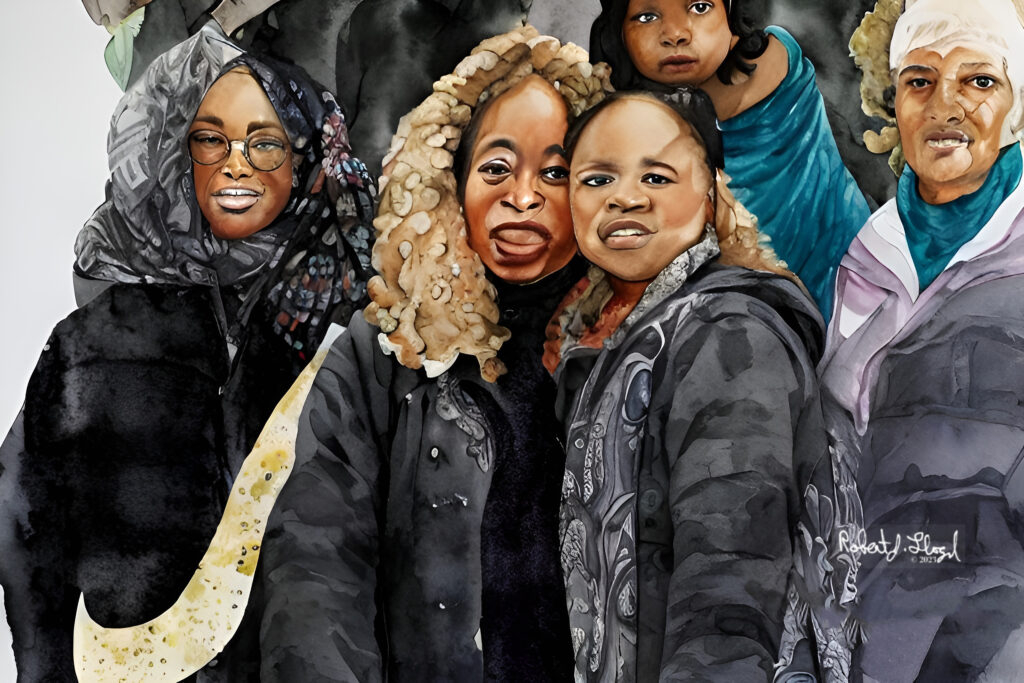
The pictures are illustrations of crucifixions. Historically Black men have been crucified. It may have been dying stacked in slave ships, it may have been hanging from a tree during slavery, it may have been jailing after Reconstruction, it may have been in the media, it may have been psychological. The talk that went with these images was about my personal psychological crucifixions.

Part 2

Women have been crucified through time also, be it body shaming, be it cultural taboos, be it cultural appropriation, be it political correctness.

Part 3

When your dad gives you millions of dollars you think that they are toys for you to play with. Because you’re rich you think you have access to women that you can fondle, sexually abuse and dominate. You think you can trample on the American flag and on democracy. You’ve been a thug all of your life. Any Black person who did any of these things would have ended up in prison garb.

Why Black Art for Your Home

Why Black Art for Your Home

By Robert Lloyd

The importance of African Americans displaying art by and about their culture in their homes is paramount for providing identity to their children, as well as educating them on the history and heritage of the African diaspora. Hanging artwork that reflects a positive image of blackness can help foster self-esteem in children who may otherwise feel disconnected from or misrepresented by mainstream media. Additionally, it provides an opportunity for parents to teach lessons about resilience, pride and perseverance in times when many communities are facing adversity due to systemic racism.

For generations prior to us, our ancestors have been denied access into museums or galleries where they could learn more about our cultural roots; however today we have access through technology which has opened up new avenues for exploration without leaving home. By hanging artwork that celebrates various aspects of black life such as music, dance and fashion within one’s own home gives families a chance explore these topics together while also instilling values like respect for diversity within younger generations. Furthermore this helps create conversations around race relations with family members who might not understand why certain issues are important but can be exposed through visual representation.

In conclusion, hanging artworks created by African American artists on walls at home allows individuals from all backgrounds including those from minority groups, to gain insight into what makes up a unique culture. It serves both educational purposes – teaching people how different cultures interact-and personal ones – helping build self esteem among young people whose identities may be underrepresented elsewhere. Through this practice we will continue celebrating Black excellence while inspiring others towards greatness regardless of skin color.

Why Black Art for Your Home

Why Black Art for Your Home

By Robert Lloyd

The importance of African Americans displaying art by and about their culture in their homes is paramount for providing identity to their children, as well as educating them on the history and heritage of the African diaspora. Hanging artwork that reflects a positive image of blackness can help foster self-esteem in children who may otherwise feel disconnected from or misrepresented by mainstream media. Additionally, it provides an opportunity for parents to teach lessons about resilience, pride and perseverance in times when many communities are facing adversity due to systemic racism.

For generations prior to us, our ancestors have been denied access into museums or galleries where they could learn more about our cultural roots; however today we have access through technology which has opened up new avenues for exploration without leaving home. By hanging artwork that celebrates various aspects of black life such as music, dance and fashion within one’s own home gives families a chance explore these topics together while also instilling values like respect for diversity within younger generations. Furthermore this helps create conversations around race relations with family members who might not understand why certain issues are important but can be exposed through visual representation.

In conclusion, hanging artworks created by African American artists on walls at home allows individuals from all backgrounds including those from minority groups, to gain insight into what makes up a unique culture. It serves both educational purposes – teaching people how different cultures interact-and personal ones – helping build self esteem among young people whose identities may be underrepresented elsewhere. Through this practice we will continue celebrating Black excellence while inspiring others towards greatness regardless of skin color.

Bob’s Tuesday African American Portrait

The Los Angeles County Museum of Art published a new book: Black American Portraits. I seem to have missed the publication deadline as none of my portraits appear to be in the book.

So to keep you up to date I will be publishing an African American portrait every Tuesday.

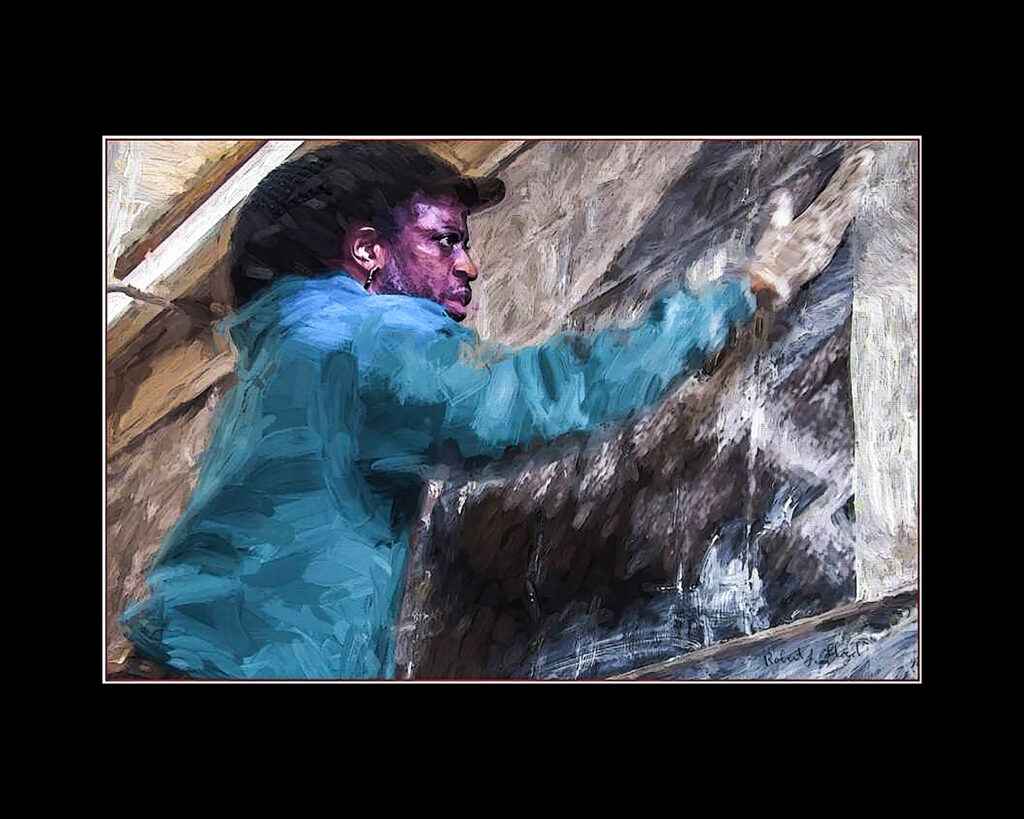
Carl Richardson Spokane WA 2016 By Robert J. Lloyd

Bob’s Tuesday African American Portrait

The Los Angeles County Museum of Art published a new book: Black American Portraits. I seem to have missed the publication deadline as none of my portraits appear to be in the book.

So to keep you up to date I will be publishing an African American portrait every Tuesday.

2011 By Robert J. Lloyd
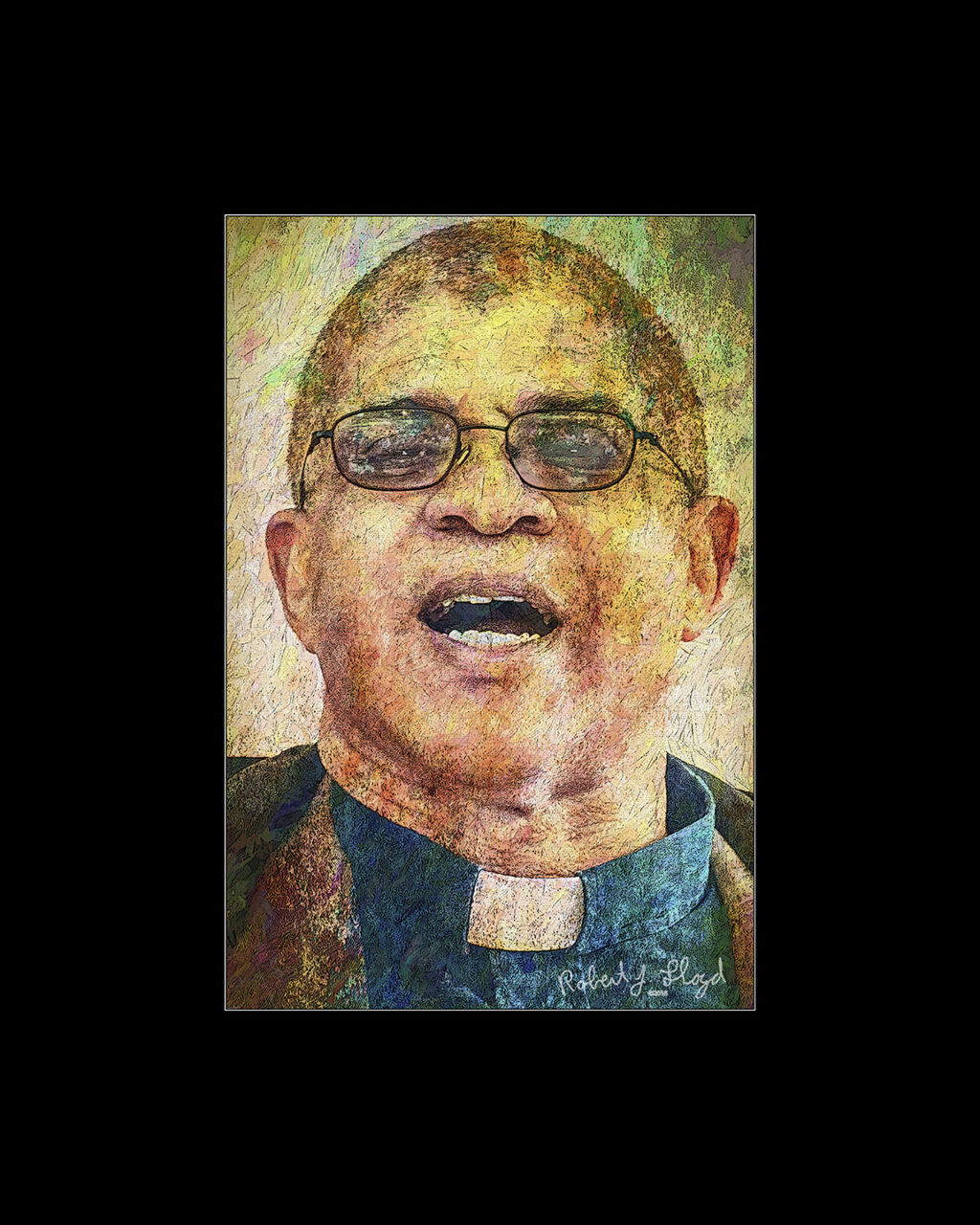
Rev. Lonnie Mitchell 2011 By Robert J. Lloyd

Art and Music After 80 Part 2

Homage to the Past, Hope & Inspiration for the Future

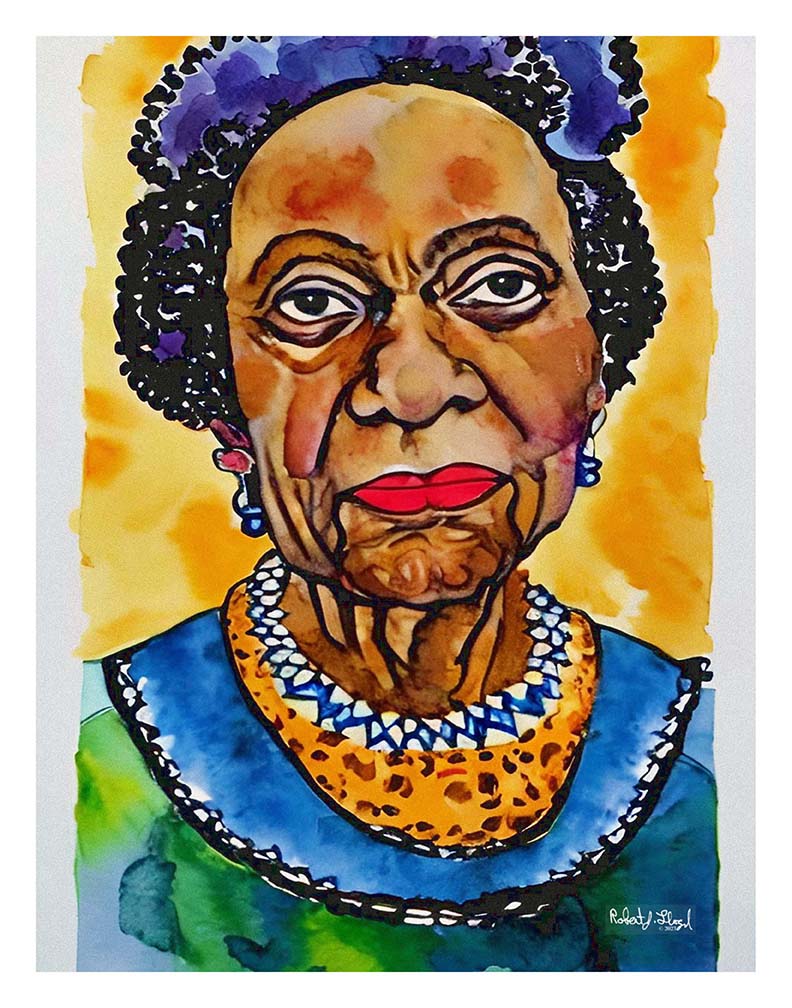
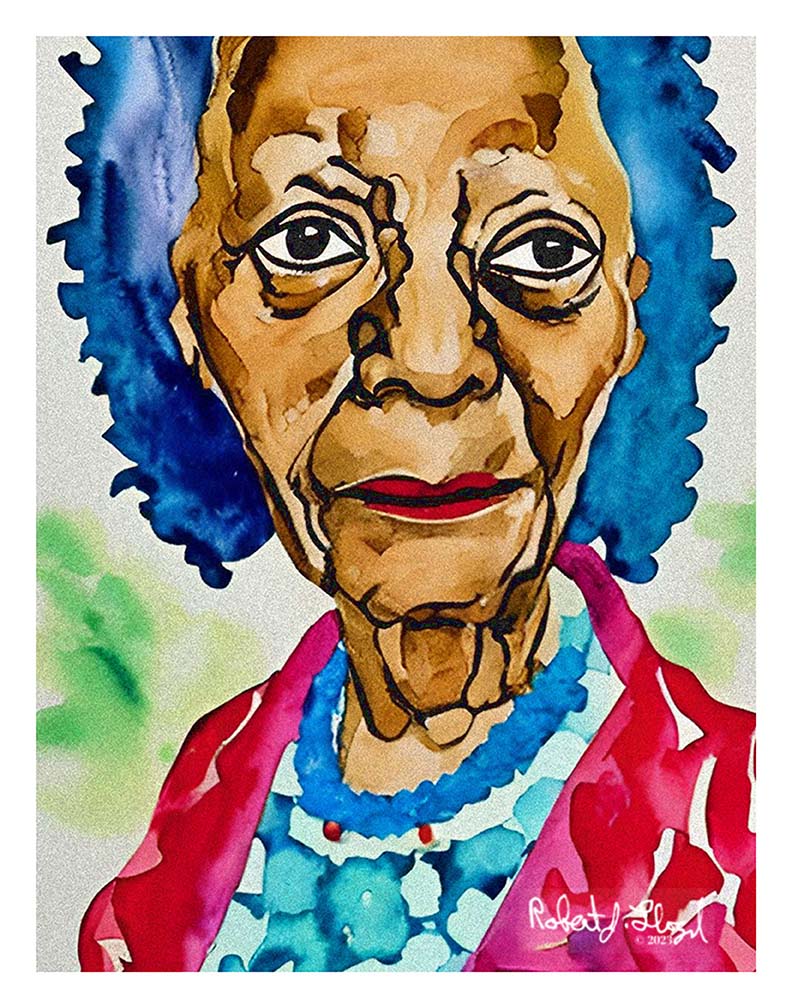
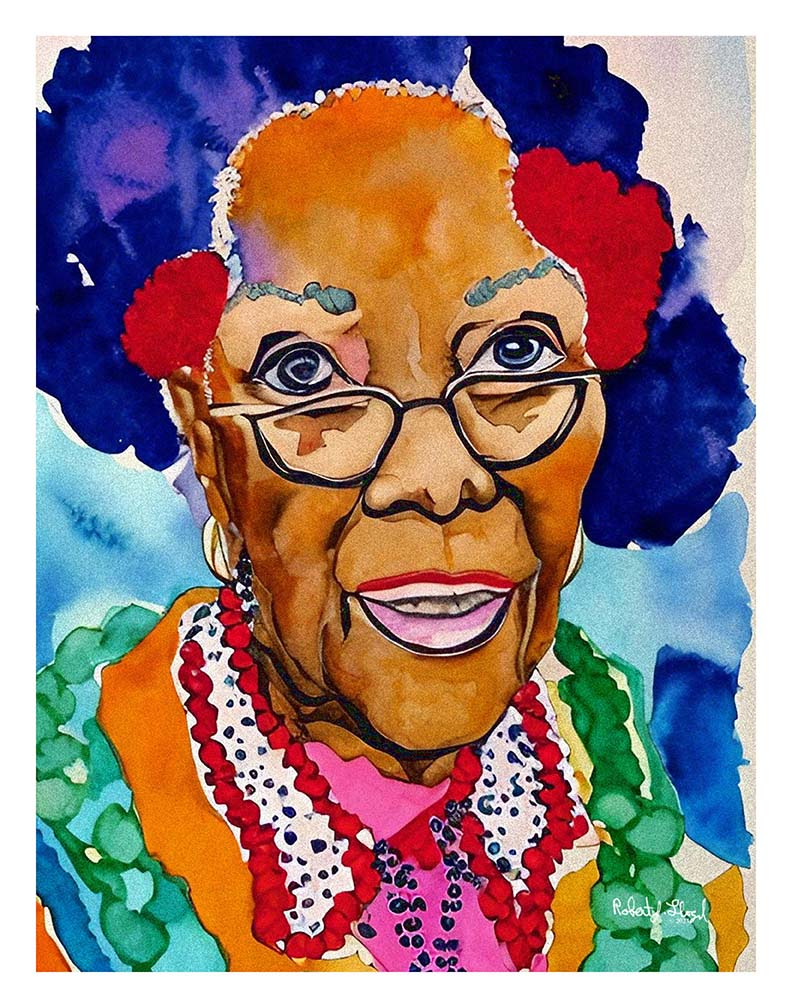
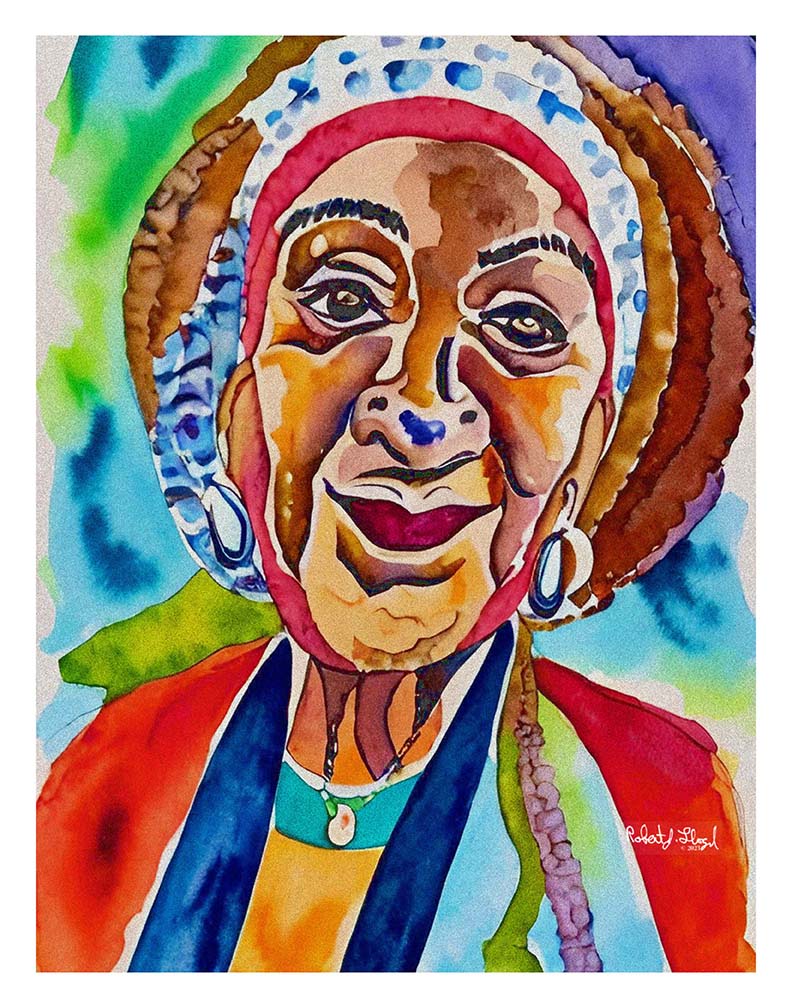
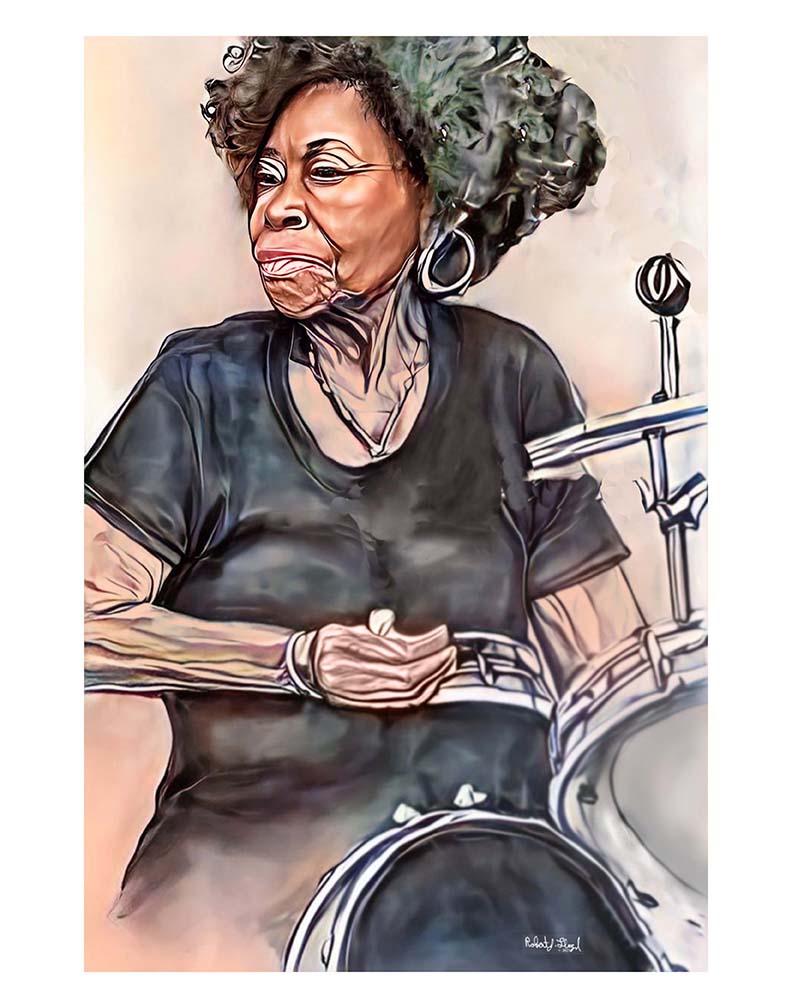
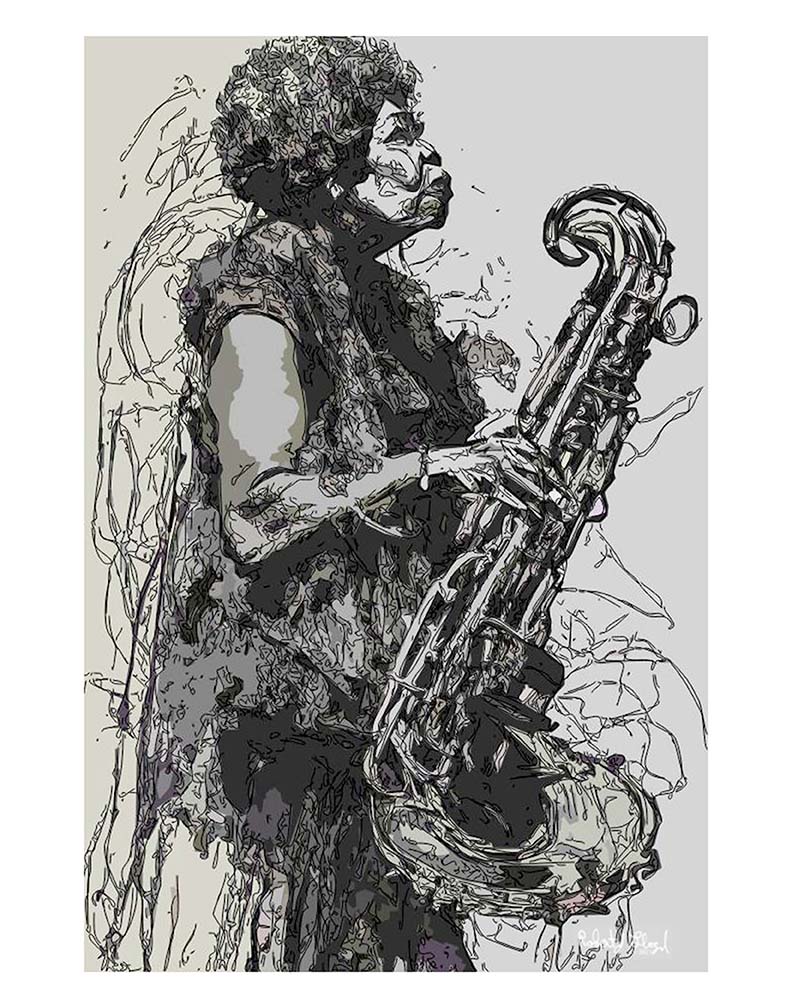
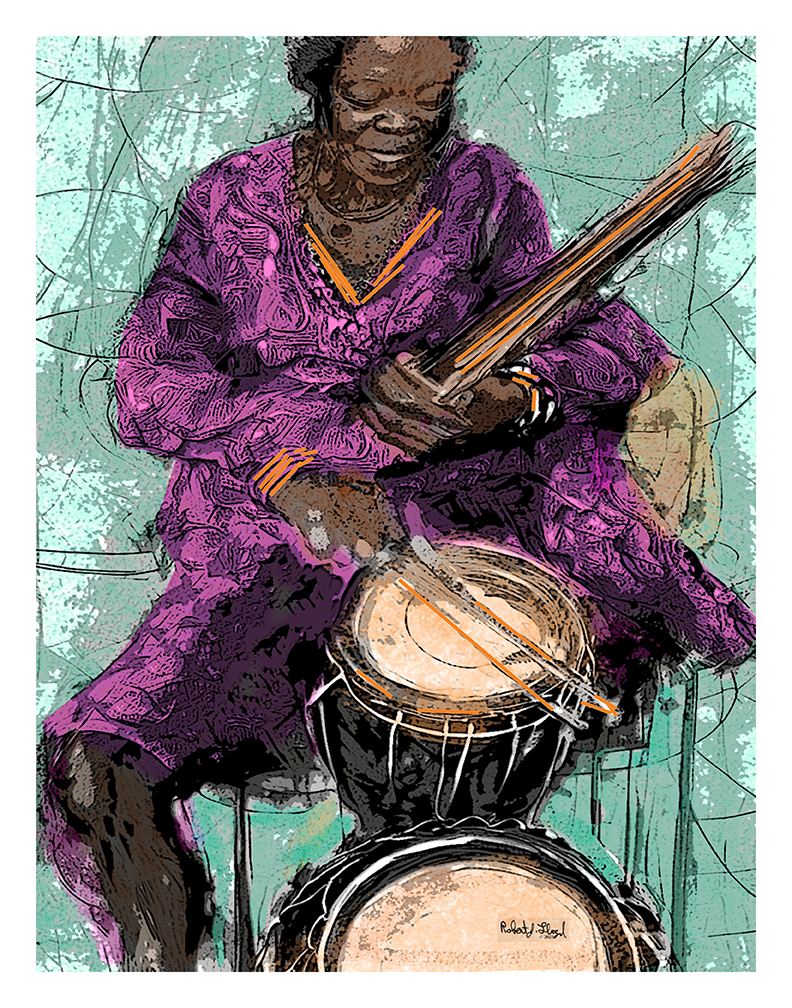
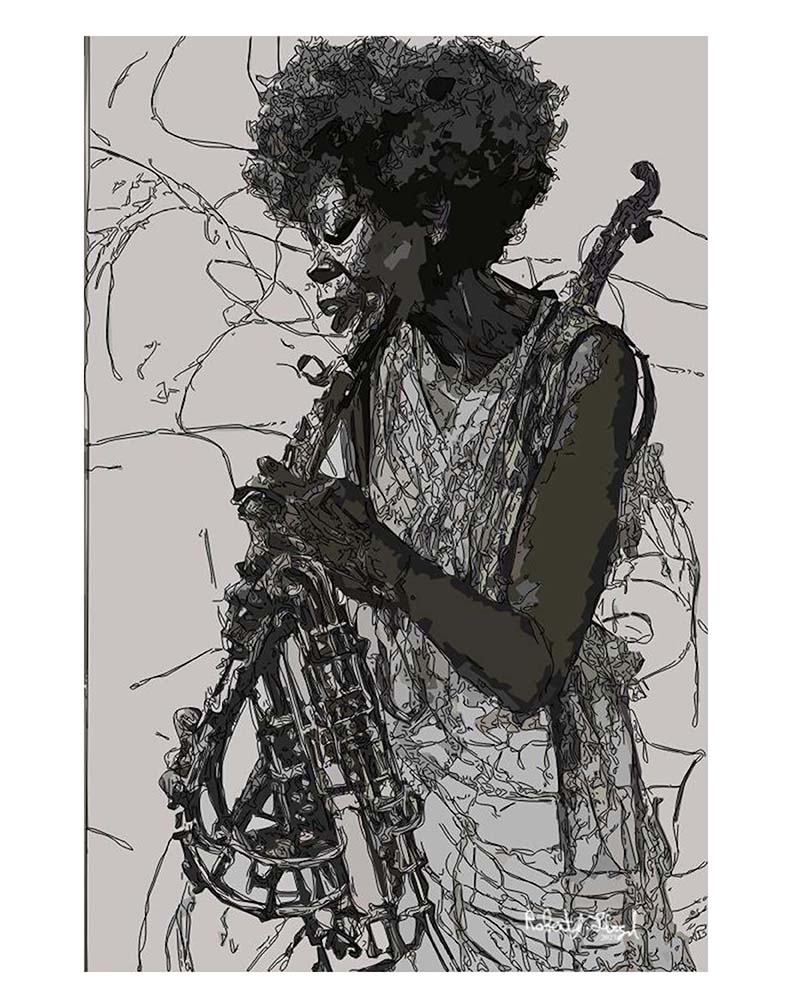
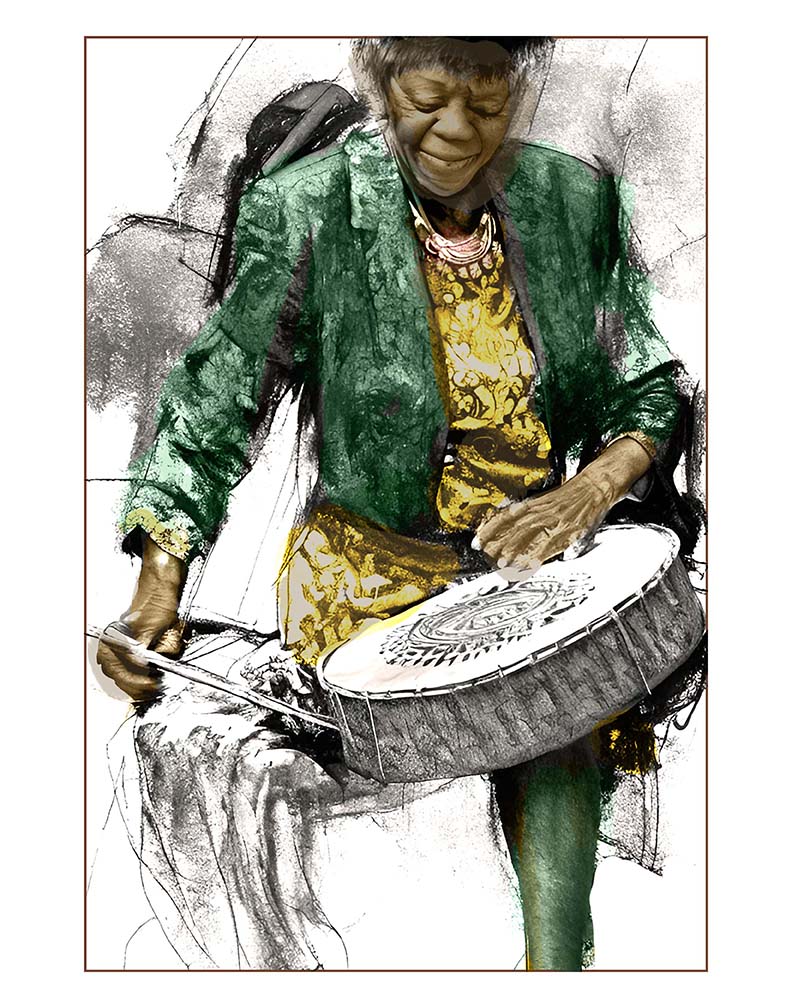
Black Women are inspiring their peers and other generations to break the stereotypes that are often associated with aging. The idea for this work comes from a Chicago Black women’s band The KCR Ensemble, led by 75 year old guitarist Rita Hassell and managed by her husband Oliver Hassell.

Here they are:
https://www.youtube.com/results? search_query=youtu.be%2FX3KYqgv2vWY

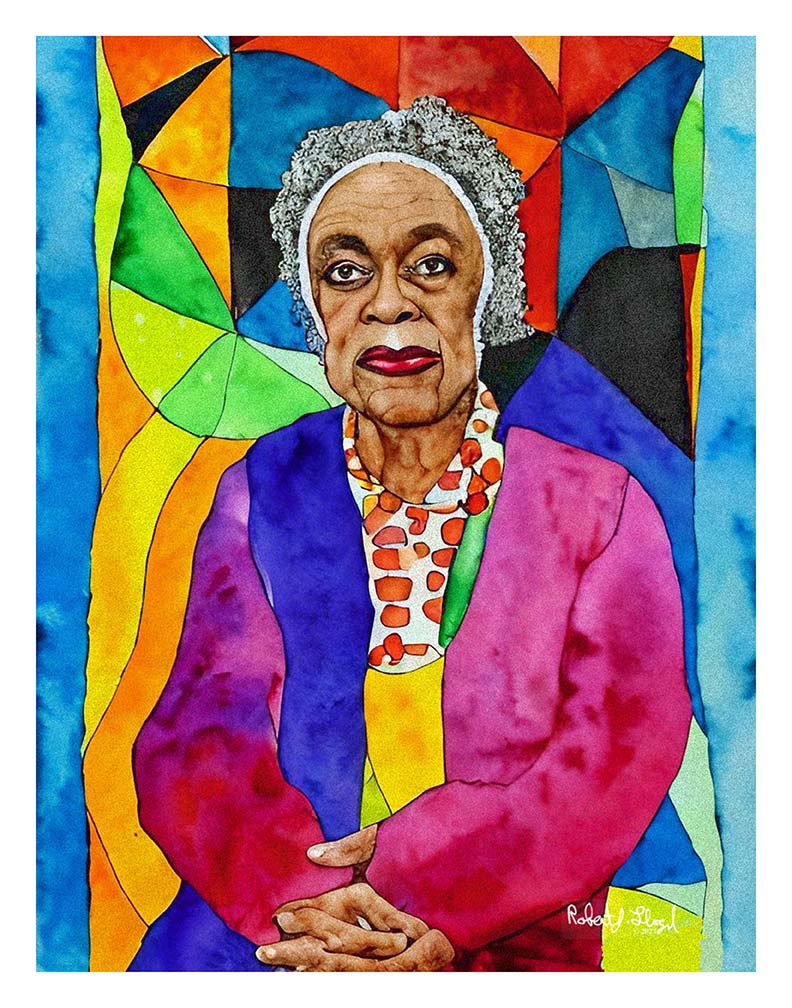
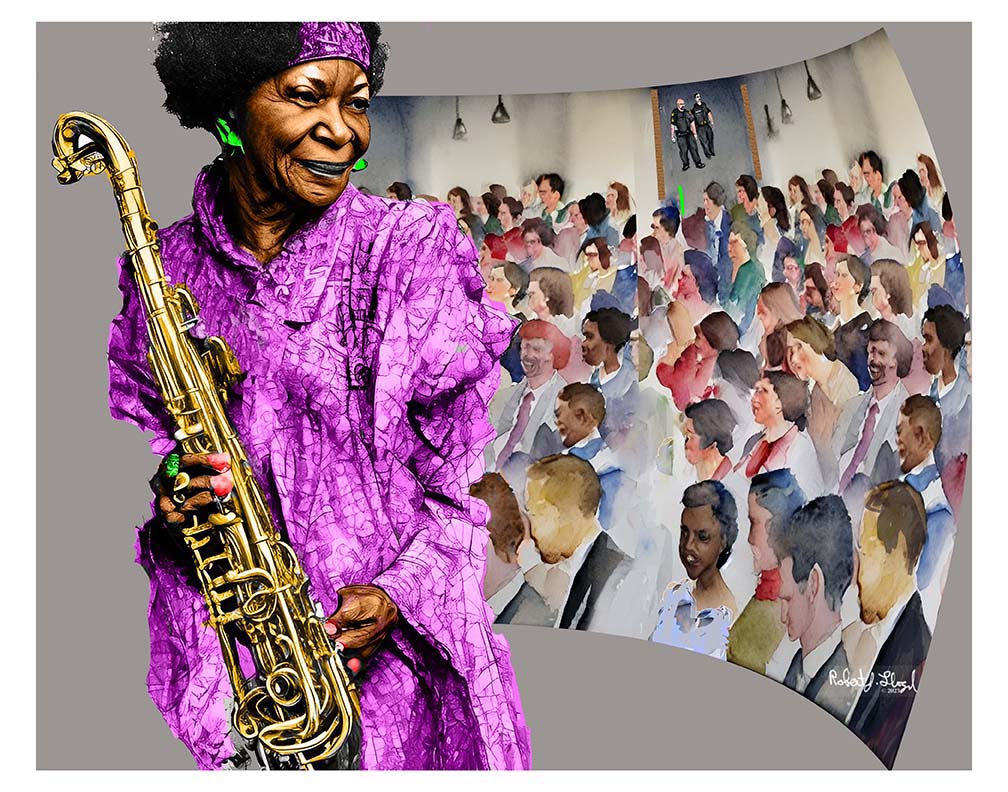
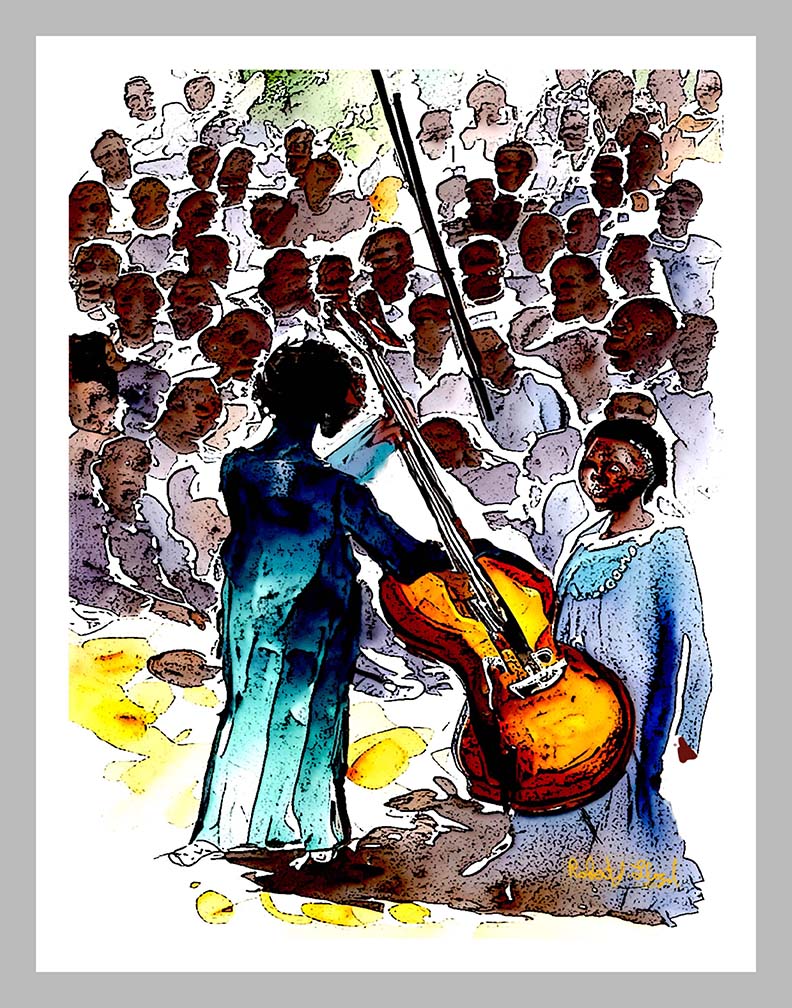
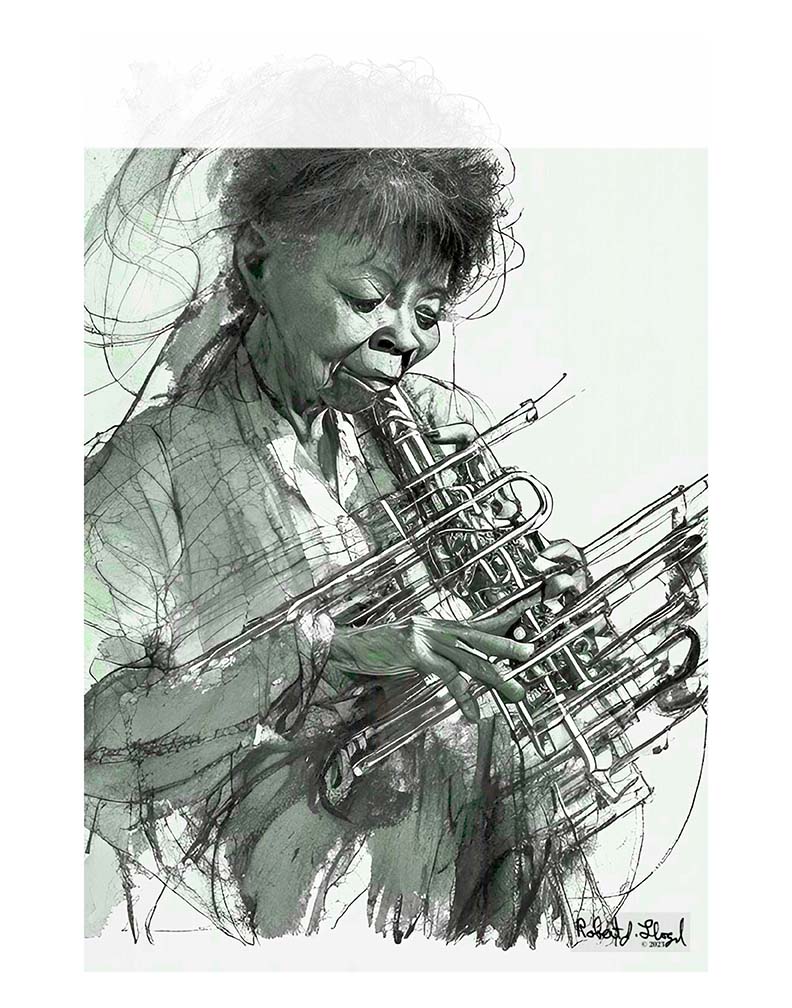
The art is not portraits of the KCR Ensemble members, but follows the pattern of and pays homage to these women who are playing the classics, the music from the diaspora, contemporary and futuristic jazz.

The images pay homage to art that has gone before, art media, and cutting edge art of today.

Now the work is available in our concert halls and internet venues.

Art and Music Swinging After 80

Homage to the Past, Hope & Inspiration for the Future

Black Women are inspiring their peers and other generations to break the stereotypes that are often associated with aging. The idea for this work comes from a Chicago Black women’s band The KCR Ensemble, led by 75 year old guitarist Rita Hassell and managed by her husband Oliver Hassell. Here they are:
https://www.youtube.com/results?search_query=youtu.be%2FX3KYqgv2vWY

The art is not portraits of the KCR Ensemble members, but follows the pattern of and pays homage to these women who are playing the classics, the music from the diaspora, contemporary and futuristic jazz.

The images pay homage to art that has gone before, art media, and cutting edge art of today.

Bob’s Tuesday African American Portrait

I just received a very nice book that was just published by the Los Angeles County Museum of Art: Black American Portraits. I seem to have missed the publication deadline as none of my portraits appear to be in the book.

So to keep you up to date I will be publishing an African American portrait every Tuesday. See you on Tuesdays!