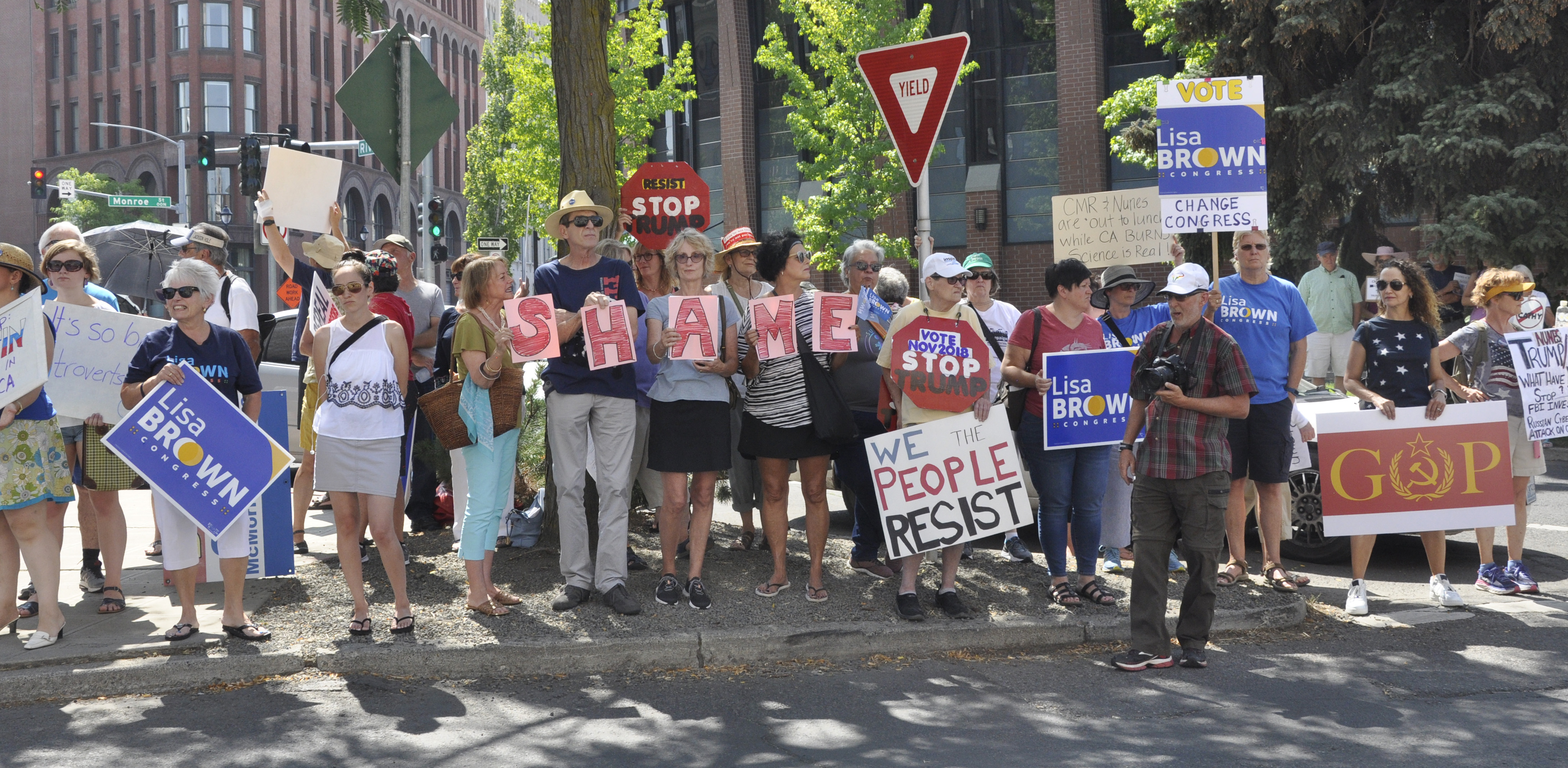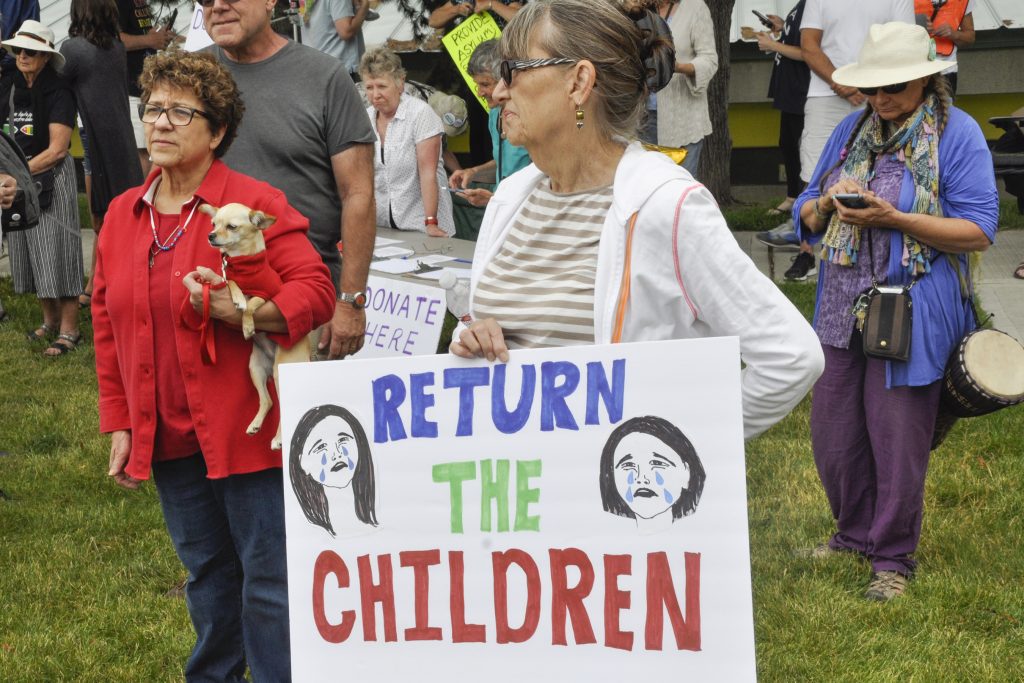
By Robert Lloyd
When the choice is tyranny or revolution, to keep your head in the sand is to choose tyranny. If you choose revolution the question is nonviolent or violent.
THE SCENARIO
- A presidential candidate has won the election and gained control over all branches of government.
- The new administration refuses to follow court rulings and historical norms.
- Democratic processes and checks and balances have broken down.
- The leadership style is modeled after authoritarian regimes like Russia, North Korea, and China.
This situation represents a significant threat to democratic institutions and the rule of law, which are fundamental to a functioning democracy
Can We Trust This Man?


OPTIONS FOR GRASSROOTS MOVEMENTS
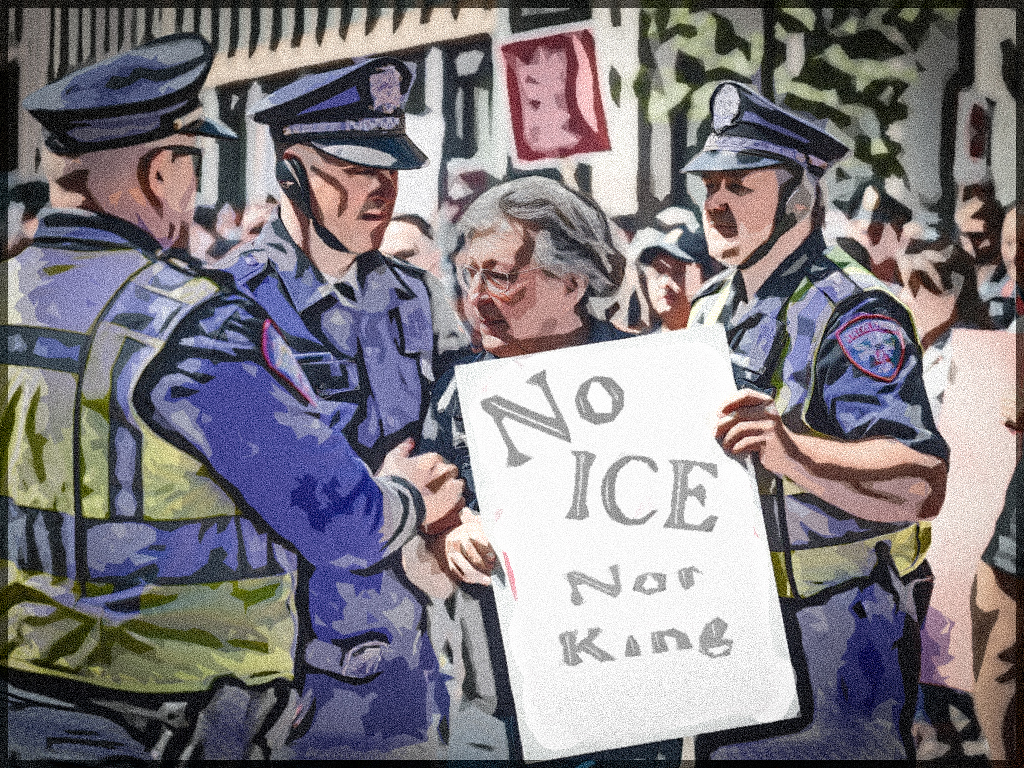
Thorough preparation—medical waivers, property checklists, legal contacts—minimizes harm and maximizes impact…….Organized, pre-notified actions are safer and more effective than spur-of-the-moment protests.
Attorney Jeffry Finer speaks to Spokane Raging Grannies workshop: CLICK LINK Navigating Civil Disobedience
In such a scenario, grassroots movements and civil society organizations face a critical decision: whether to accept the new regime or to resist. Based on historical examples and research on civil resistance, there are several potential courses of action:
- Nonviolent Revolution
Historically, nonviolent revolutions have been more successful and led to more stable democratic outcomes than violent uprisings. Research by Erica Chenoweth and Maria J. Stephan has shown that nonviolent campaigns are twice as likely to succeed as violent ones.
Strategies for nonviolent revolution could include:
a) Mass Mobilization: Organizing large-scale protests, strikes, and boycotts to demonstrate widespread opposition to the regime. This was effectively used in the Philippines People Power Revolution (1986) and the U.S. Civil Rights Movement (1950s-1960s).
b) Civil Disobedience: Engaging in coordinated acts of nonviolent resistance, such as sit-ins, blockades, or refusal to pay taxes. The Indian Independence Movement led by Mahatma Gandhi successfully employed these tactics.
c) Alternative Institutions: Creating parallel governance structures or “shadow governments” to challenge the legitimacy of the regime and provide essential services to the population.
d) International Solidarity: Appealing to international organizations and foreign governments for support and sanctions against the regime. This strategy was crucial in the South African Anti-Apartheid Movement.
- Civic Engagement and Grassroots Organizing
Even in challenging political environments, there are legal and peaceful methods to resist authoritarianism:
a) Stakeholder Engagement: Identifying and mobilizing key stakeholders who can influence the political process.
b) Effective Communication: Using clear, consistent messaging to articulate grievances and demands.
c) Technology and Social Media: Leveraging digital platforms for organizing, information sharing, and mobilizing support.
d) Educational Interventions: Implementing programs to promote civic engagement and democratic values.
e) Building Trust and Relationships: Establishing networks of trust within communities to strengthen resistance efforts.
- Seeking International Support
Grassroots movements can appeal to international democratic support systems and diplomatic channels:
a) International Organizations: Engaging with bodies like the UN, OSCE, and International IDEA to highlight democratic backsliding and seek support.
b) Foreign Diplomatic Pressure: Encouraging democratic nations to exert diplomatic pressure on the regime, similar to Sweden’s “Drive for Democracy” initiative.
c) NGO Partnerships: Collaborating with international NGOs like Freedom House to document and publicize human rights violations and democratic erosion.
Violent Revolution as a Last Resort
While violent revolution might seem like an option, it’s important to note that:
- Violent uprisings are statistically less likely to succeed than nonviolent movements.
- They often lead to prolonged conflict and instability.
- Violent revolutions can delegitimize the movement in the eyes of both domestic and international observers.
- They may provide justification for increased repression by the regime.
Related thoughts for your consideration from a Facebook reel:
Conclusion
In the face of democratic breakdown and the rise of authoritarianism, grassroots movements have historically been most successful when employing nonviolent strategies. These strategies, combined with effective civic engagement and international support, offer the best chance for restoring democratic norms and institutions.
The choice between accepting tyranny and forming a revolution is a complex one, with significant consequences. However, the historical record suggests that nonviolent revolutions, when well-organized and widely supported, can be effective in challenging even the most entrenched authoritarian regimes.
It’s crucial for grassroots movements to carefully consider their options, build broad coalitions, and maintain a commitment to nonviolent tactics to maximize their chances of success and minimize the risk of further destabilization or violence.
By Robert Lloyd
When the choice is tyranny or revolution, to keep your head in the sand is to choose tyranny. If you choose revolution the question is nonviolent or violent.
The Scenario
- A presidential candidate has won the election and gained control over all branches of government.
- The new administration refuses to follow court rulings and historical norms.
- Democratic processes and checks and balances have broken down.
- The leadership style is modeled after authoritarian regimes like Russia, North Korea, and China.
This situation represents a significant threat to democratic institutions and the rule of law, which are fundamental to a functioning democracy.
Options for Grassroots Movements
In such a scenario, grassroots movements and civil society organizations face a critical decision: whether to accept the new regime or to resist. Based on historical examples and research on civil resistance, there are several potential courses of action:
- Nonviolent Revolution
Historically, nonviolent revolutions have been more successful and led to more stable democratic outcomes than violent uprisings. Research by Erica Chenoweth and Maria J. Stephan has shown that nonviolent campaigns are twice as likely to succeed as violent ones.
Strategies for nonviolent revolution could include:
a) Mass Mobilization: Organizing large-scale protests, strikes, and boycotts to demonstrate widespread opposition to the regime. This was effectively used in the Philippines People Power Revolution (1986) and the U.S. Civil Rights Movement (1950s-1960s).
b) Civil Disobedience: Engaging in coordinated acts of nonviolent resistance, such as sit-ins, blockades, or refusal to pay taxes. The Indian Independence Movement led by Mahatma Gandhi successfully employed these tactics.
c) Alternative Institutions: Creating parallel governance structures or “shadow governments” to challenge the legitimacy of the regime and provide essential services to the population.
d) International Solidarity: Appealing to international organizations and foreign governments for support and sanctions against the regime. This strategy was crucial in the South African Anti-Apartheid Movement.
- Civic Engagement and Grassroots Organizing
Even in challenging political environments, there are legal and peaceful methods to resist authoritarianism:
a) Stakeholder Engagement: Identifying and mobilizing key stakeholders who can influence the political process.
b) Effective Communication: Using clear, consistent messaging to articulate grievances and demands.
c) Technology and Social Media: Leveraging digital platforms for organizing, information sharing, and mobilizing support.
d) Educational Interventions: Implementing programs to promote civic engagement and democratic values.
e) Building Trust and Relationships: Establishing networks of trust within communities to strengthen resistance efforts.
- Seeking International Support
Grassroots movements can appeal to international democratic support systems and diplomatic channels:
a) International Organizations: Engaging with bodies like the UN, OSCE, and International IDEA to highlight democratic backsliding and seek support.
b) Foreign Diplomatic Pressure: Encouraging democratic nations to exert diplomatic pressure on the regime, similar to Sweden’s “Drive for Democracy” initiative.
c) NGO Partnerships: Collaborating with international NGOs like Freedom House to document and publicize human rights violations and democratic erosion.
Violent Revolution as a Last Resort
While violent revolution might seem like an option, it’s important to note that:
- Violent uprisings are statistically less likely to succeed than nonviolent movements.
- They often lead to prolonged conflict and instability.
- Violent revolutions can delegitimize the movement in the eyes of both domestic and international observers.
- They may provide justification for increased repression by the regime.
Conclusion
In the face of democratic breakdown and the rise of authoritarianism, grassroots movements have historically been most successful when employing nonviolent strategies. These strategies, combined with effective civic engagement and international support, offer the best chance for restoring democratic norms and institutions.
The choice between accepting tyranny and forming a revolution is a complex one, with significant consequences. However, the historical record suggests that nonviolent revolutions, when well-organized and widely supported, can be effective in challenging even the most entrenched authoritarian regimes.
It’s crucial for grassroots movements to carefully consider their options, build broad coalitions, and maintain a commitment to nonviolent tactics to maximize their chances of success and minimize the risk of further destabilization or violence.
When tyranny and revolution appear to be the choices, which do you think we ought to choose? The choice should be made with deep thought. If you keep your head in the sand and refuse to recognize the current conditions, you have chosen tyranny.
By Robert Lloyd
When the choice is tyranny or revolution, to keep your head in the sand is to choose tyranny. If you choose revolution the question is nonviolent or violent.
The Scenario
- A presidential candidate has won the election and gained control over all branches of government.
- The new administration refuses to follow court rulings and historical norms.
- Democratic processes and checks and balances have broken down.
- The leadership style is modeled after authoritarian regimes like Russia, North Korea, and China.
This situation represents a significant threat to democratic institutions and the rule of law, which are fundamental to a functioning democracy.
Options for Grassroots Movements
In such a scenario, grassroots movements and civil society organizations face a critical decision: whether to accept the new regime or to resist. Based on historical examples and research on civil resistance, there are several potential courses of action:
- Nonviolent Revolution
Historically, nonviolent revolutions have been more successful and led to more stable democratic outcomes than violent uprisings. Research by Erica Chenoweth and Maria J. Stephan has shown that nonviolent campaigns are twice as likely to succeed as violent ones.
Strategies for nonviolent revolution could include:
a) Mass Mobilization: Organizing large-scale protests, strikes, and boycotts to demonstrate widespread opposition to the regime. This was effectively used in the Philippines People Power Revolution (1986) and the U.S. Civil Rights Movement (1950s-1960s).
b) Civil Disobedience: Engaging in coordinated acts of nonviolent resistance, such as sit-ins, blockades, or refusal to pay taxes. The Indian Independence Movement led by Mahatma Gandhi successfully employed these tactics.
c) Alternative Institutions: Creating parallel governance structures or “shadow governments” to challenge the legitimacy of the regime and provide essential services to the population.
d) International Solidarity: Appealing to international organizations and foreign governments for support and sanctions against the regime. This strategy was crucial in the South African Anti-Apartheid Movement.
- Civic Engagement and Grassroots Organizing
Even in challenging political environments, there are legal and peaceful methods to resist authoritarianism:
a) Stakeholder Engagement: Identifying and mobilizing key stakeholders who can influence the political process.
b) Effective Communication: Using clear, consistent messaging to articulate grievances and demands.
c) Technology and Social Media: Leveraging digital platforms for organizing, information sharing, and mobilizing support.
d) Educational Interventions: Implementing programs to promote civic engagement and democratic values.
e) Building Trust and Relationships: Establishing networks of trust within communities to strengthen resistance efforts.
- Seeking International Support
Grassroots movements can appeal to international democratic support systems and diplomatic channels:
a) International Organizations: Engaging with bodies like the UN, OSCE, and International IDEA to highlight democratic backsliding and seek support.
b) Foreign Diplomatic Pressure: Encouraging democratic nations to exert diplomatic pressure on the regime, similar to Sweden’s “Drive for Democracy” initiative.
c) NGO Partnerships: Collaborating with international NGOs like Freedom House to document and publicize human rights violations and democratic erosion.
Violent Revolution as a Last Resort
While violent revolution might seem like an option, it’s important to note that:
- Violent uprisings are statistically less likely to succeed than nonviolent movements.
- They often lead to prolonged conflict and instability.
- Violent revolutions can delegitimize the movement in the eyes of both domestic and international observers.
- They may provide justification for increased repression by the regime. https://www.facebook.com/share/r/17TFpc6tdu/?mibextid=wwXIfr
Conclusion
In the face of democratic breakdown and the rise of authoritarianism, grassroots movements have historically been most successful when employing nonviolent strategies. These strategies, combined with effective civic engagement and international support, offer the best chance for restoring democratic norms and institutions.
The choice between accepting tyranny and forming a revolution is a complex one, with significant consequences. However, the historical record suggests that nonviolent revolutions, when well-organized and widely supported, can be effective in challenging even the most entrenched authoritarian regimes.
It’s crucial for grassroots movements to carefully consider their options, build broad coalitions, and maintain a commitment to nonviolent tactics to maximize their chances of success and minimize the risk of further destabilization or violence.
When tyranny and revolution appear to be the choices, which do you think we ought to choose? The choice should be made with deep thought. If you keep your head in the sand and refuse to recognize the current conditions, you have chosen tyranny.
But if you choose revolution the question is nonviolent or violent.
JOIN FIGHTING FEAR
Visit the Empowerment page. It provides examples of how you can be empowered. Feel free to look around 4comculture.com. Please also do research outside of the site.