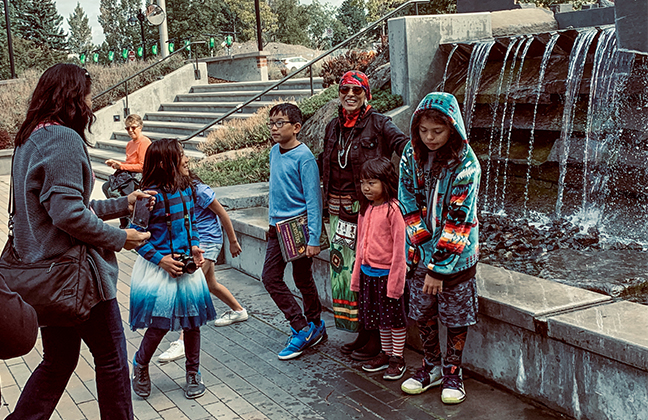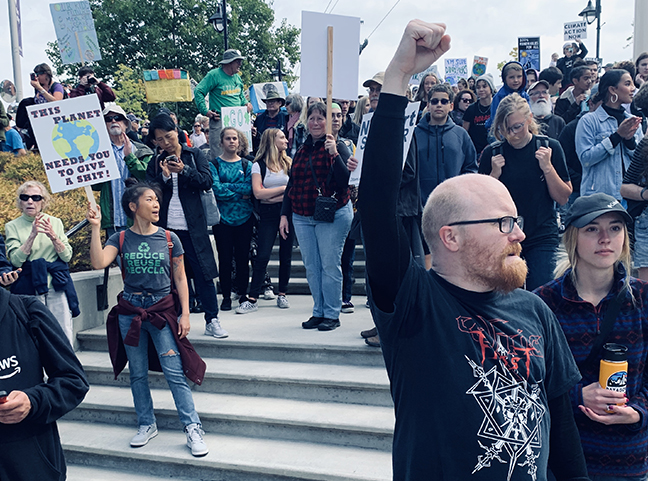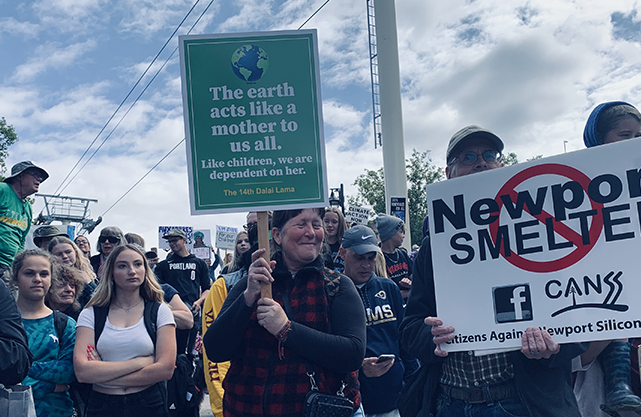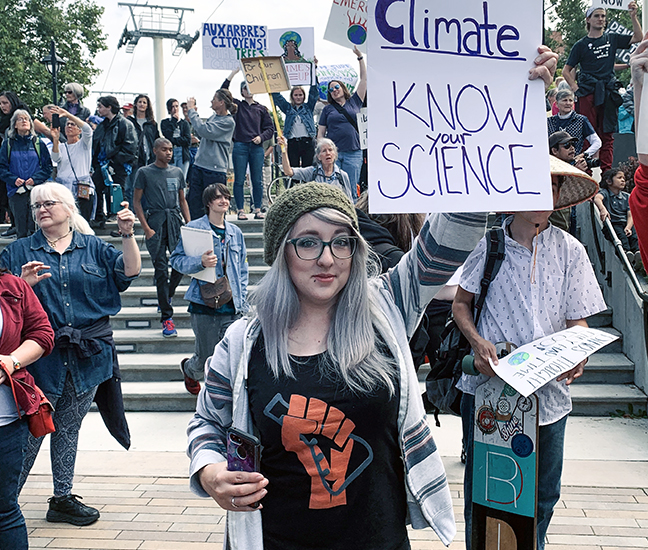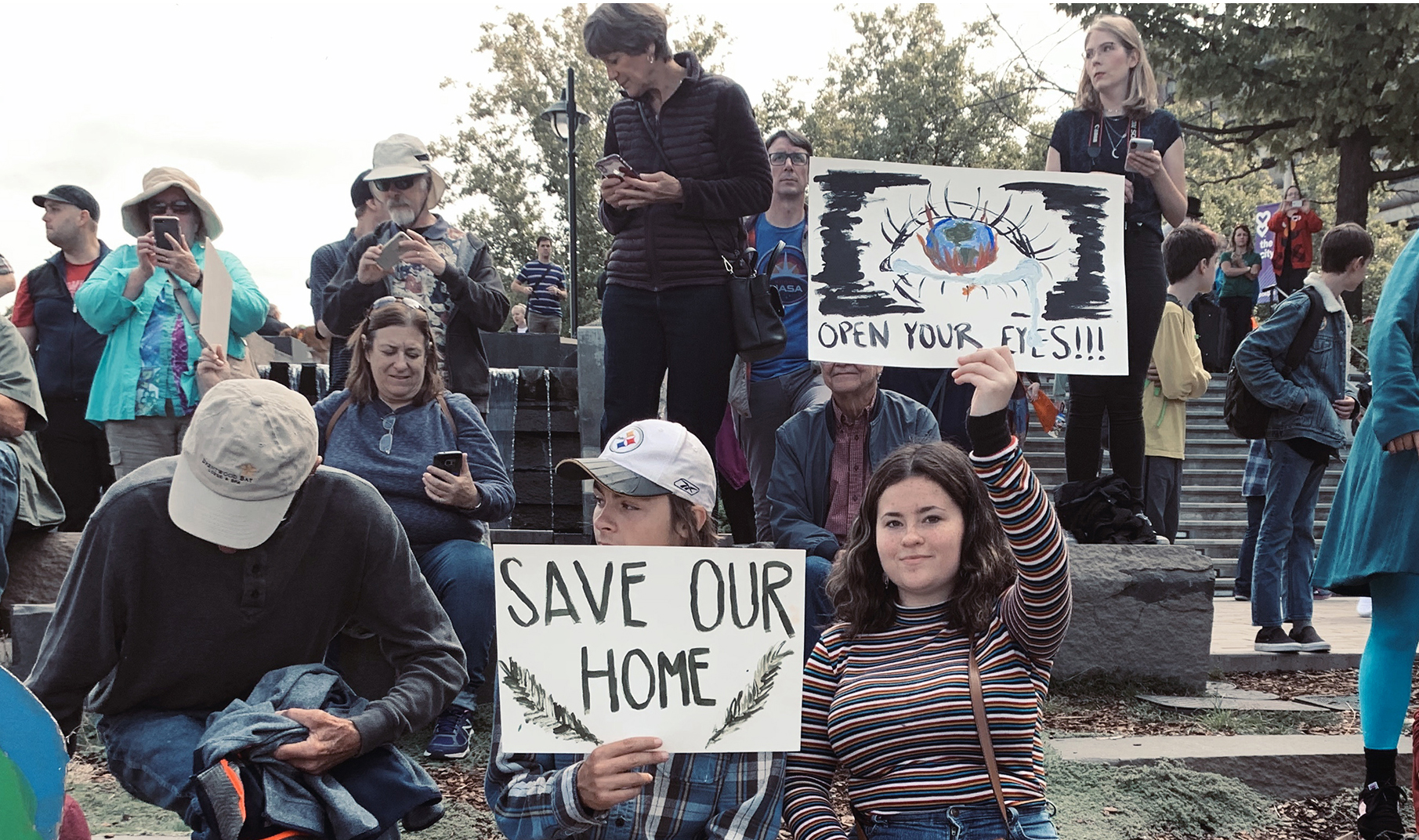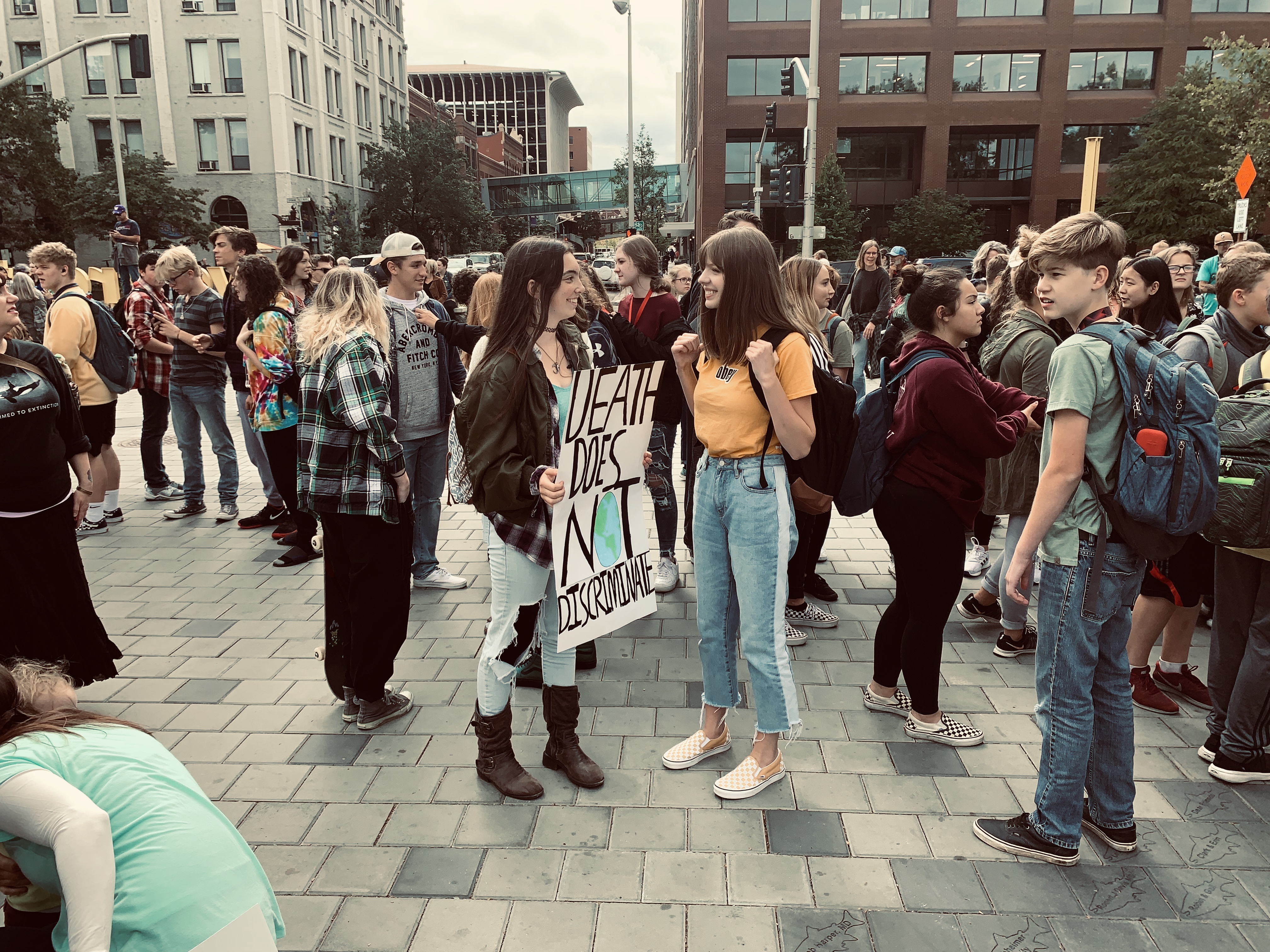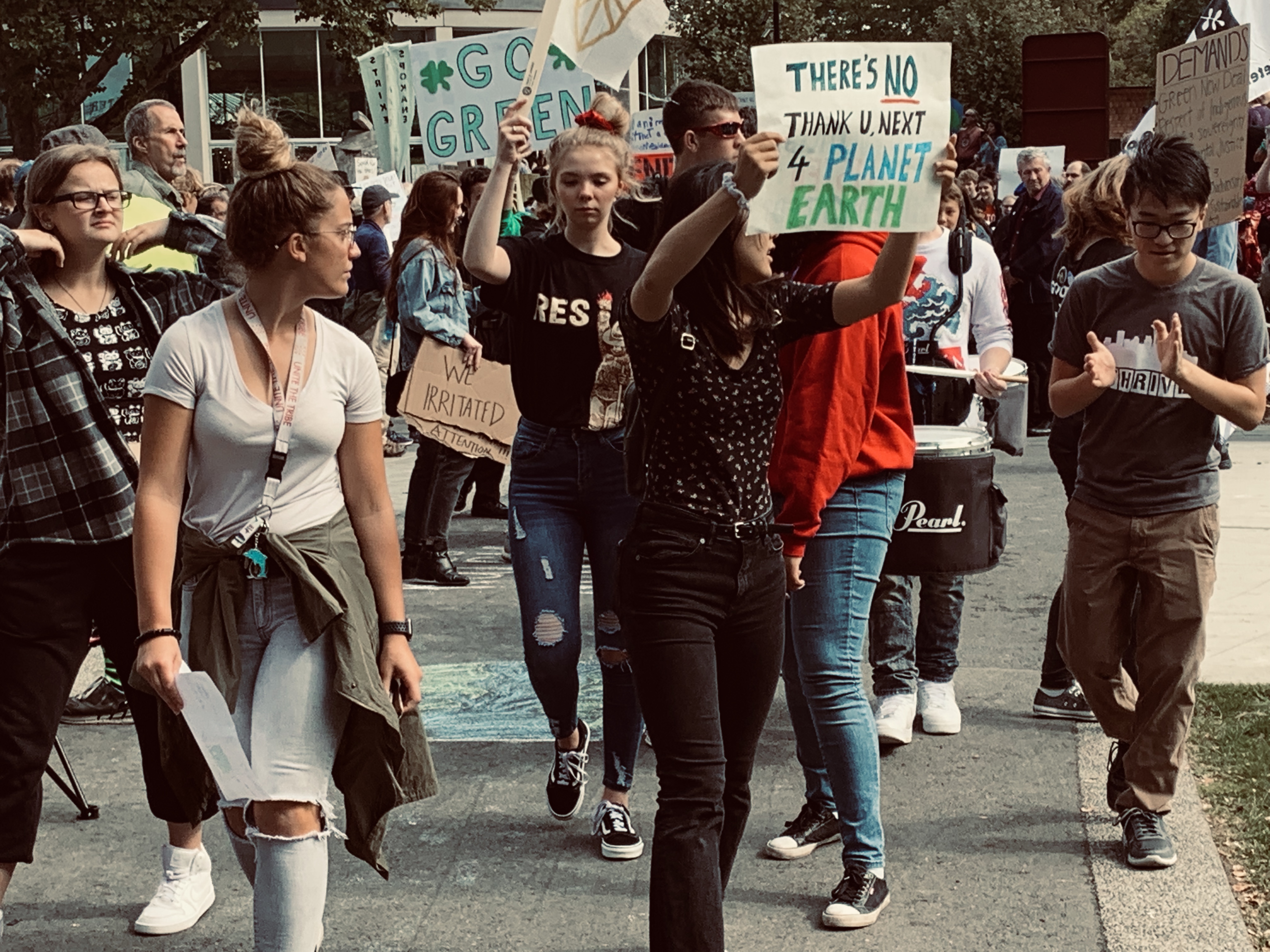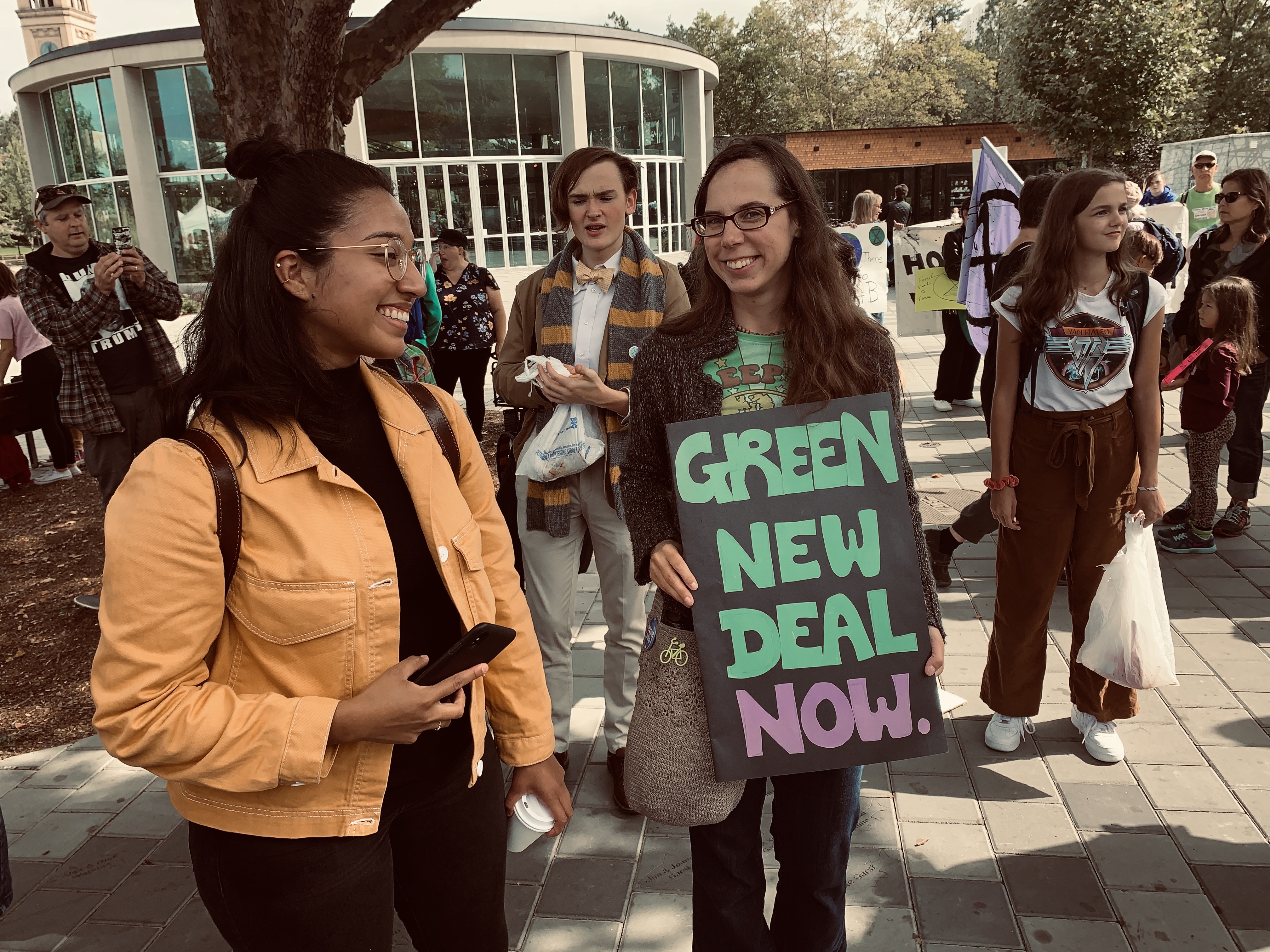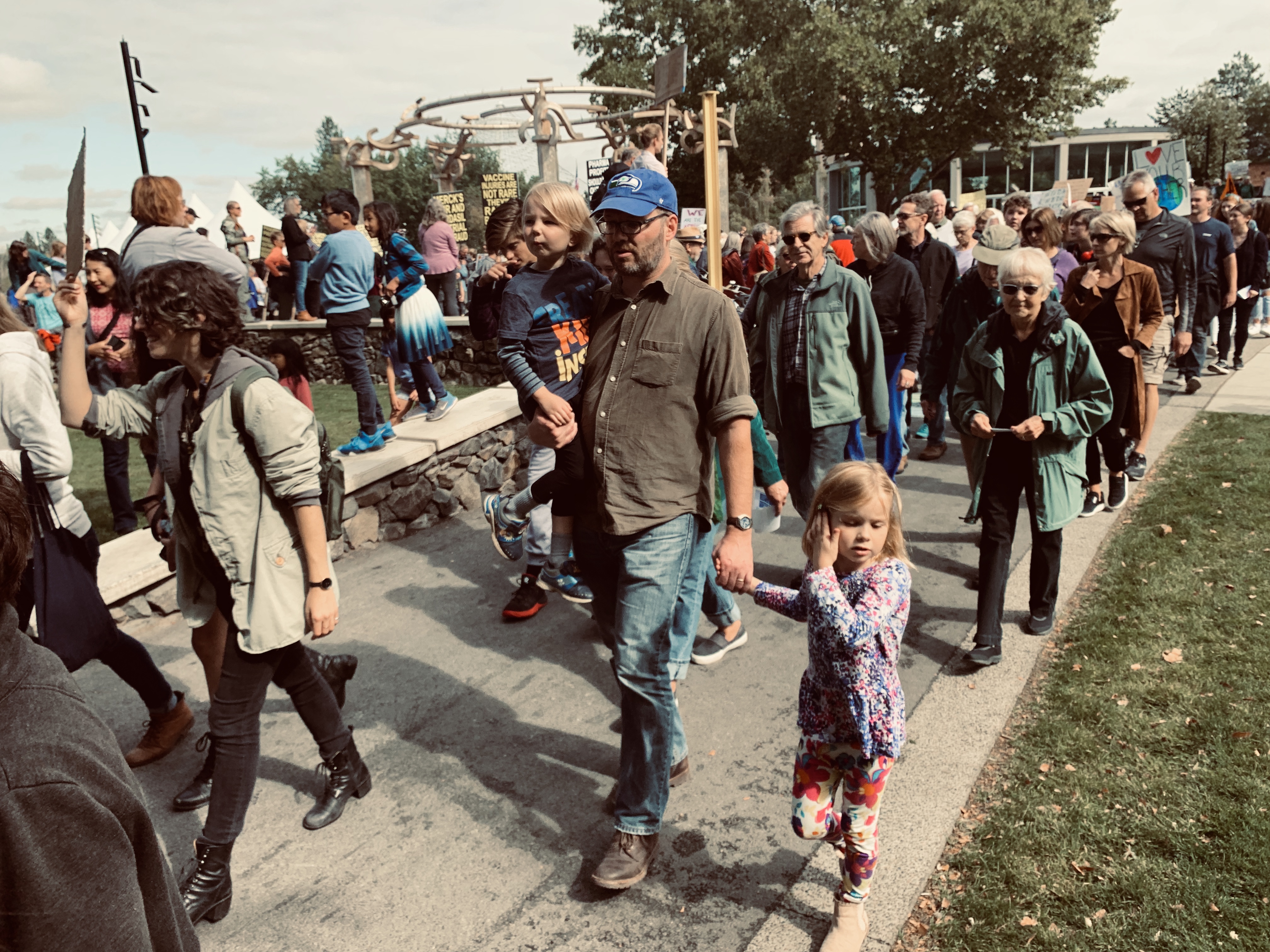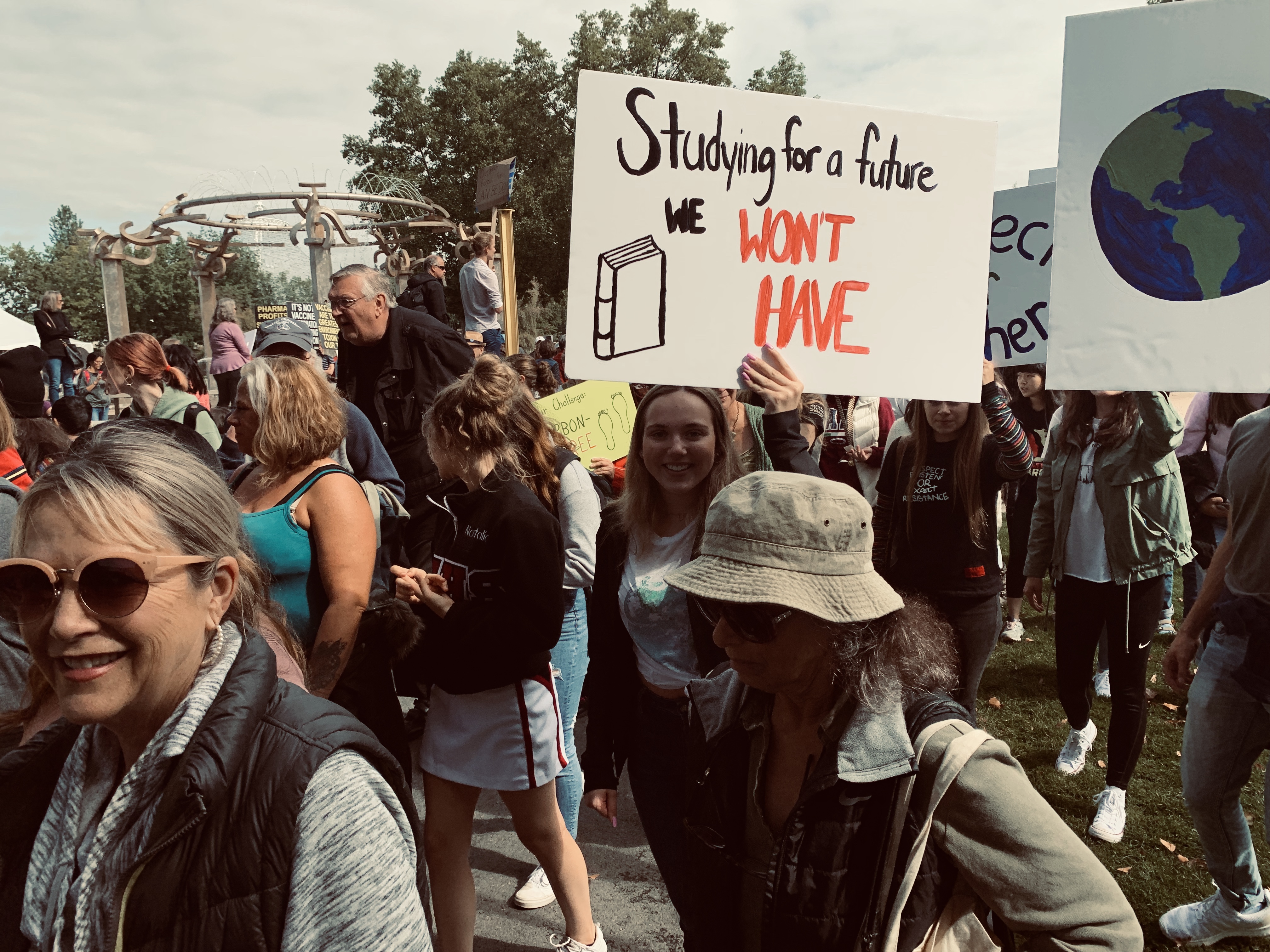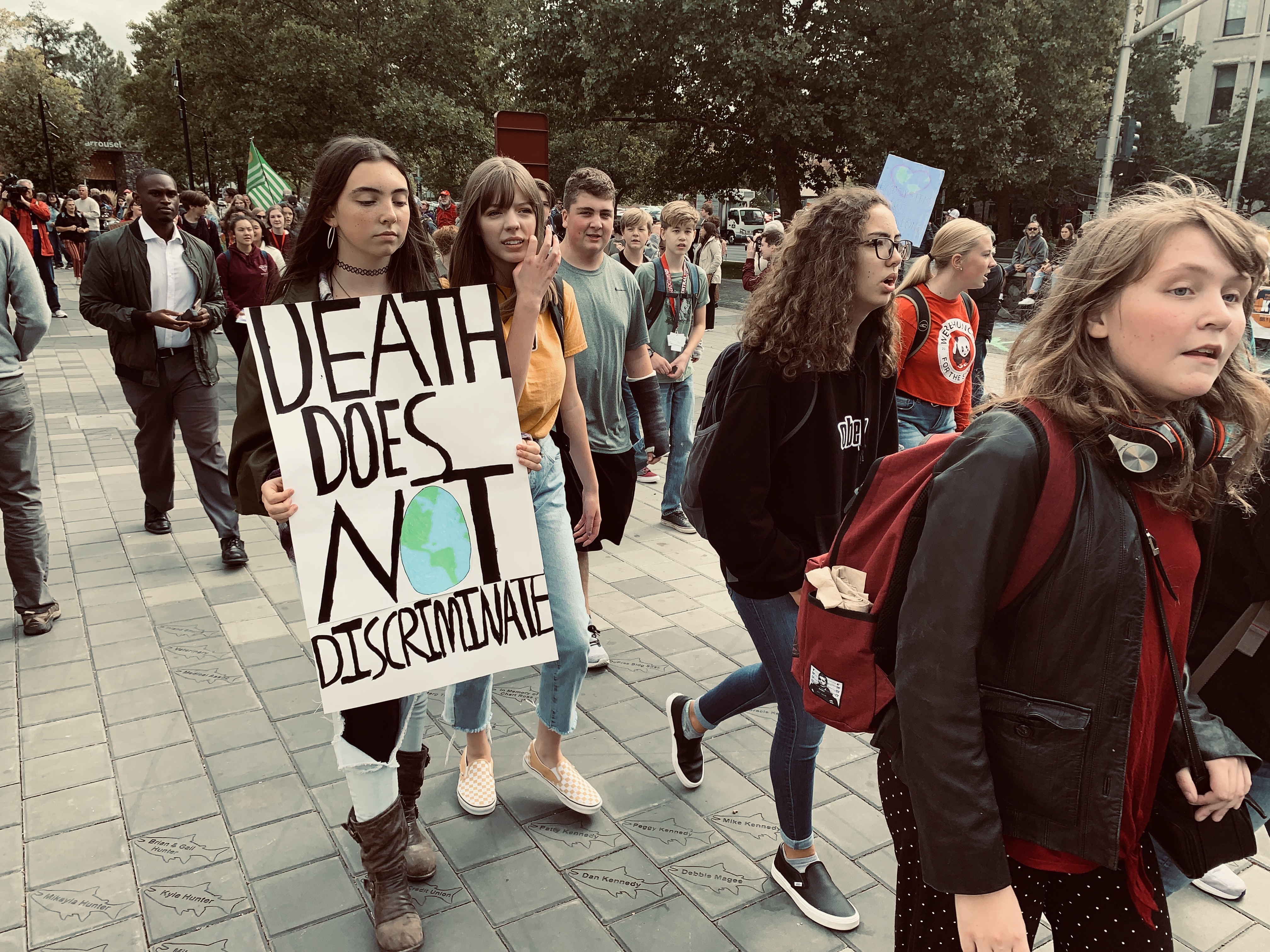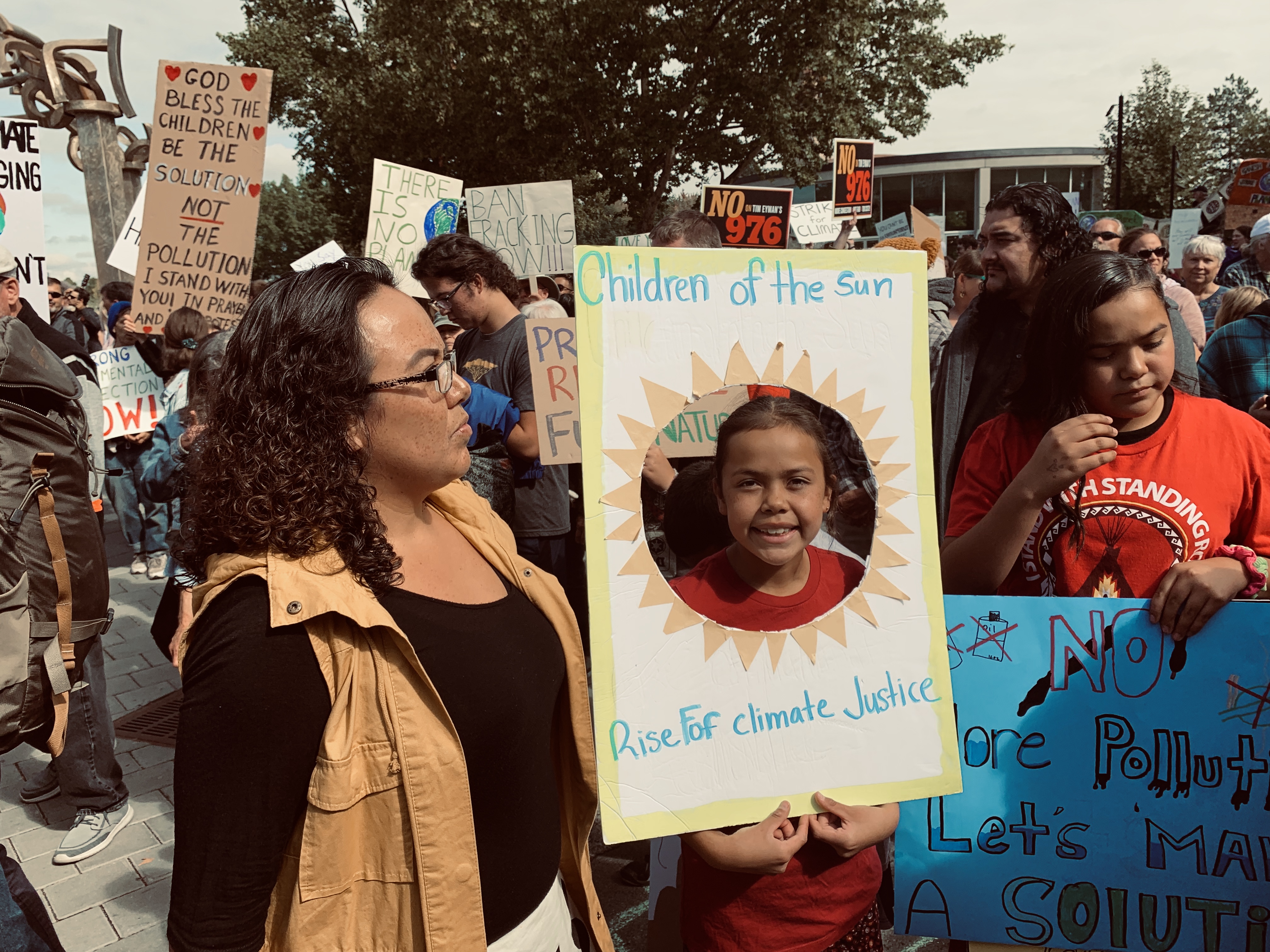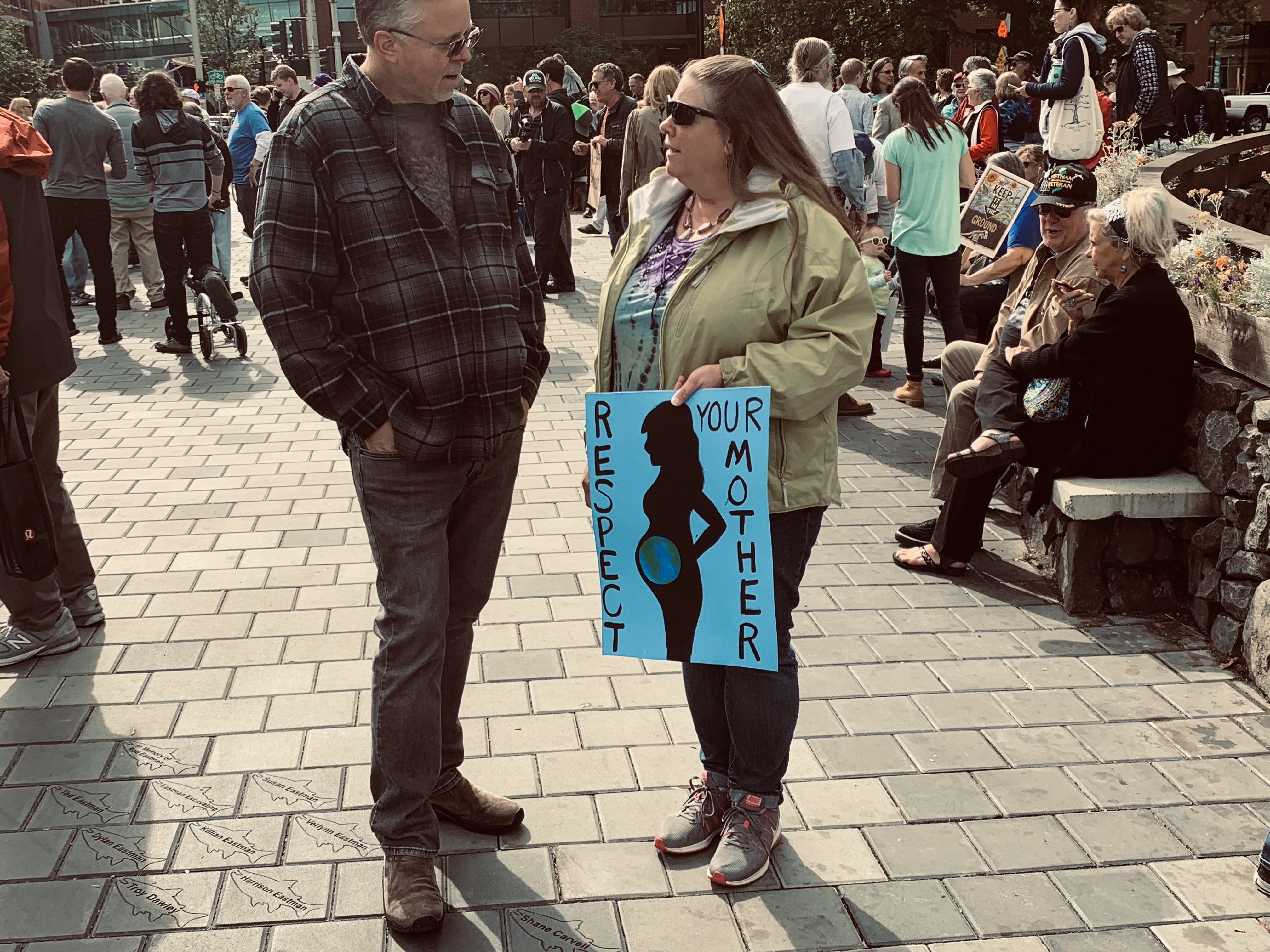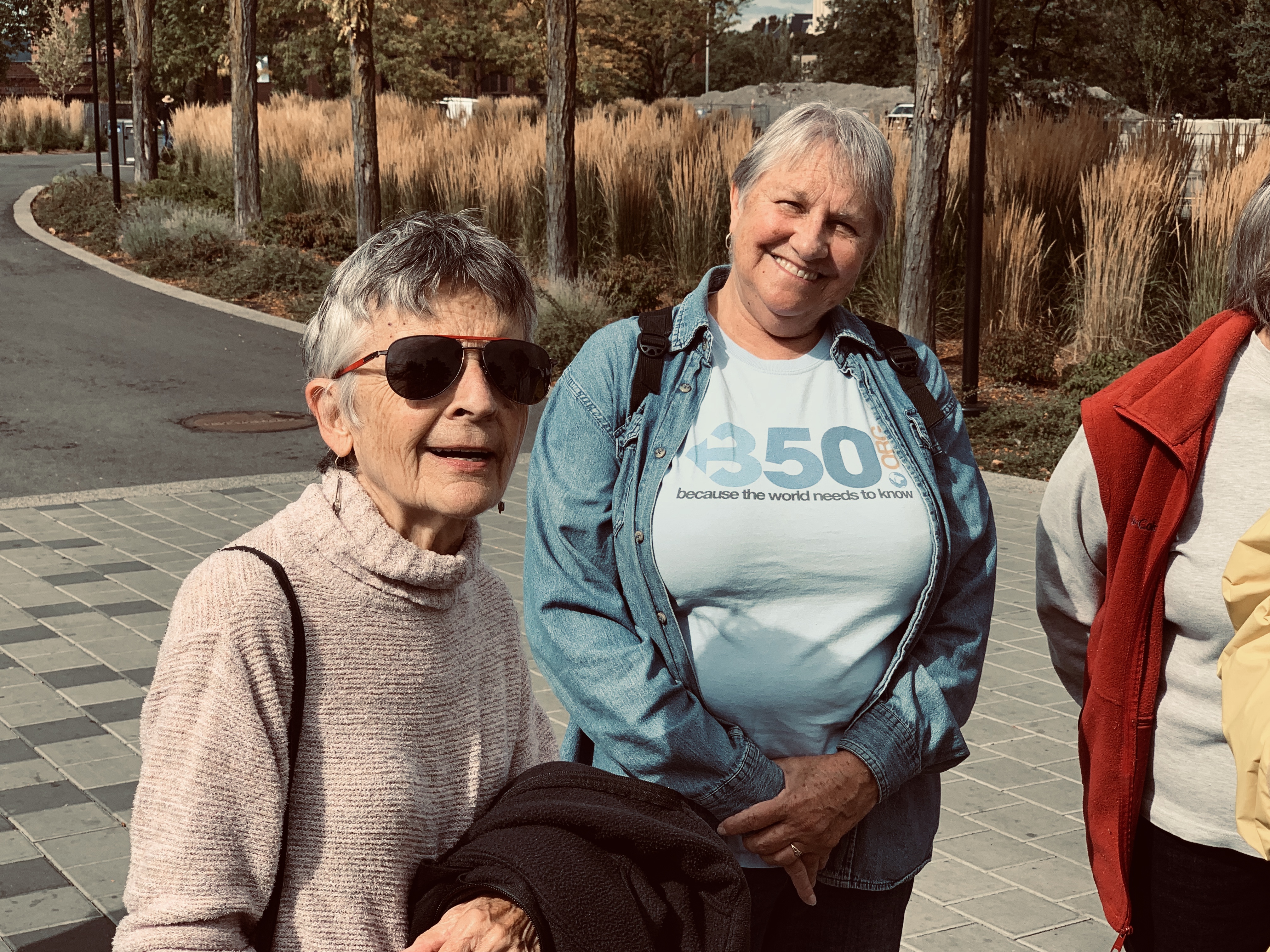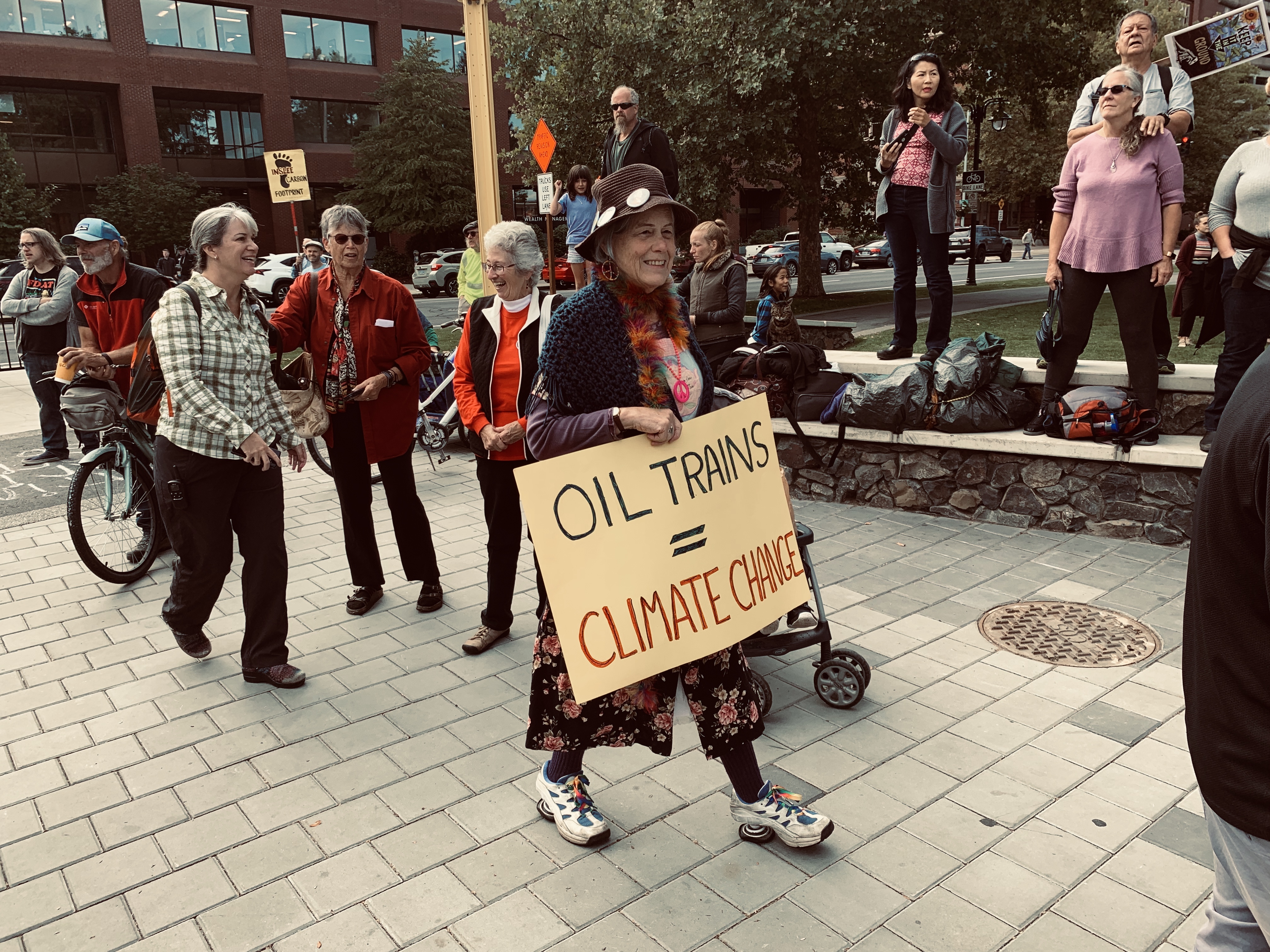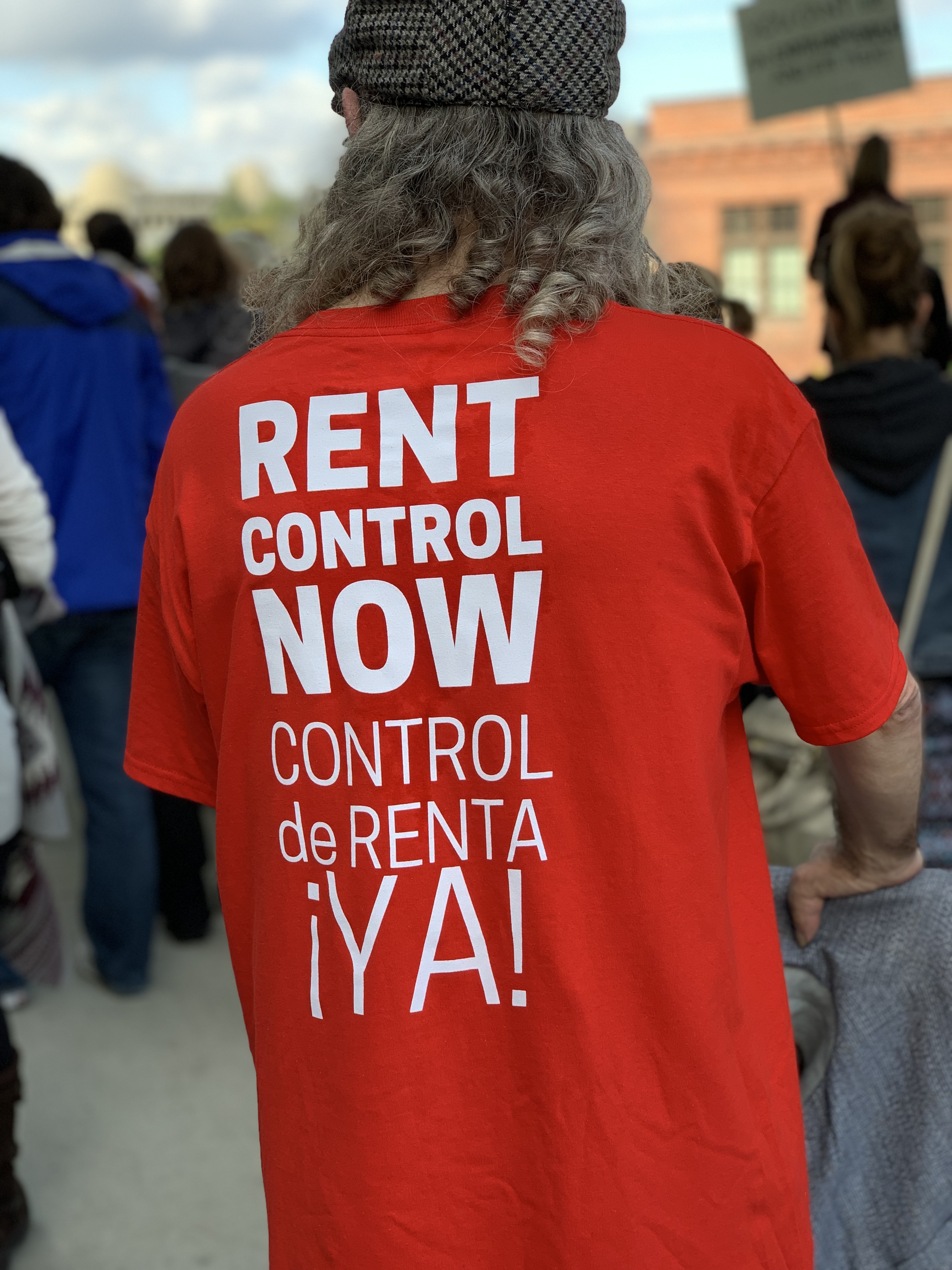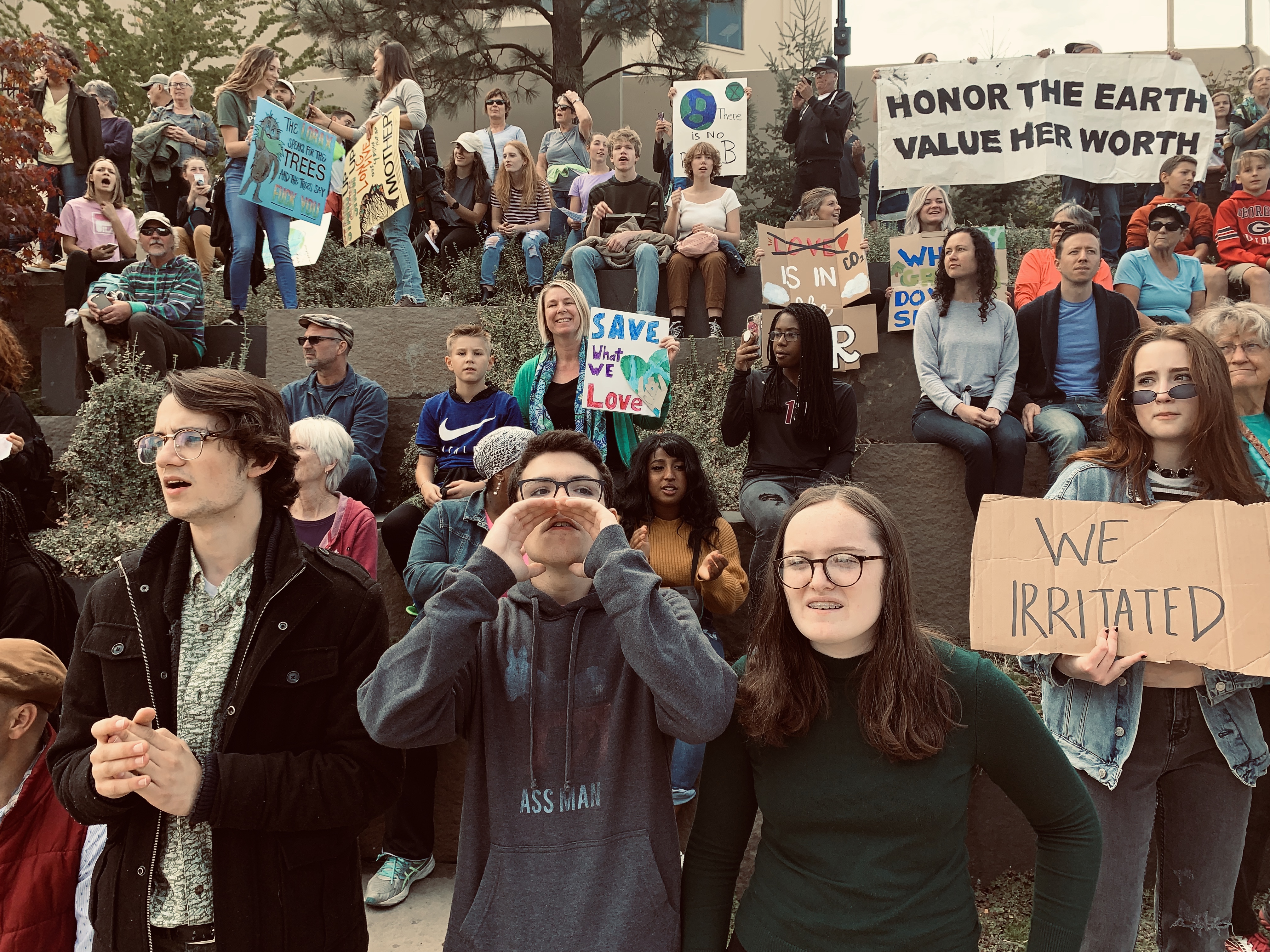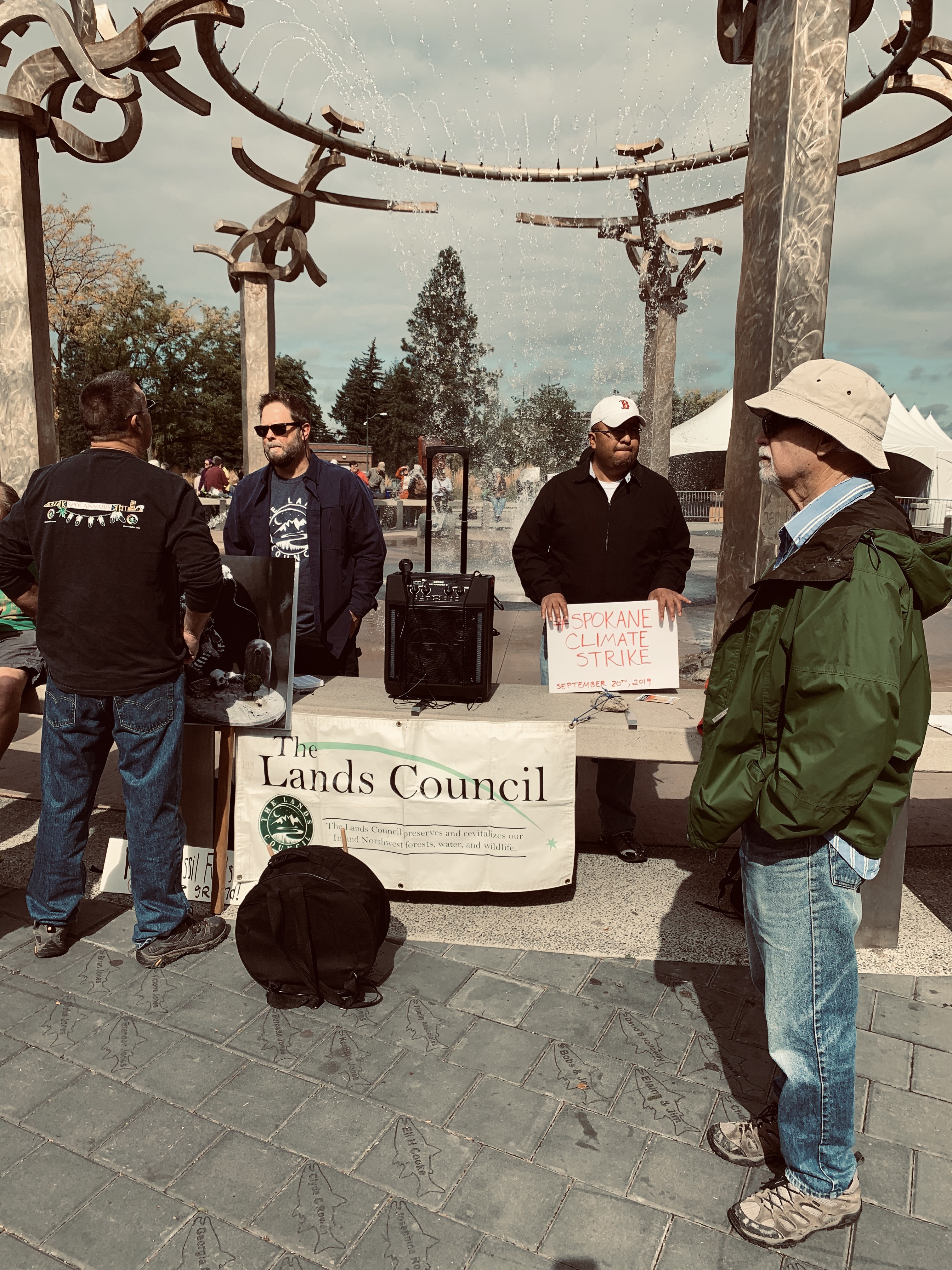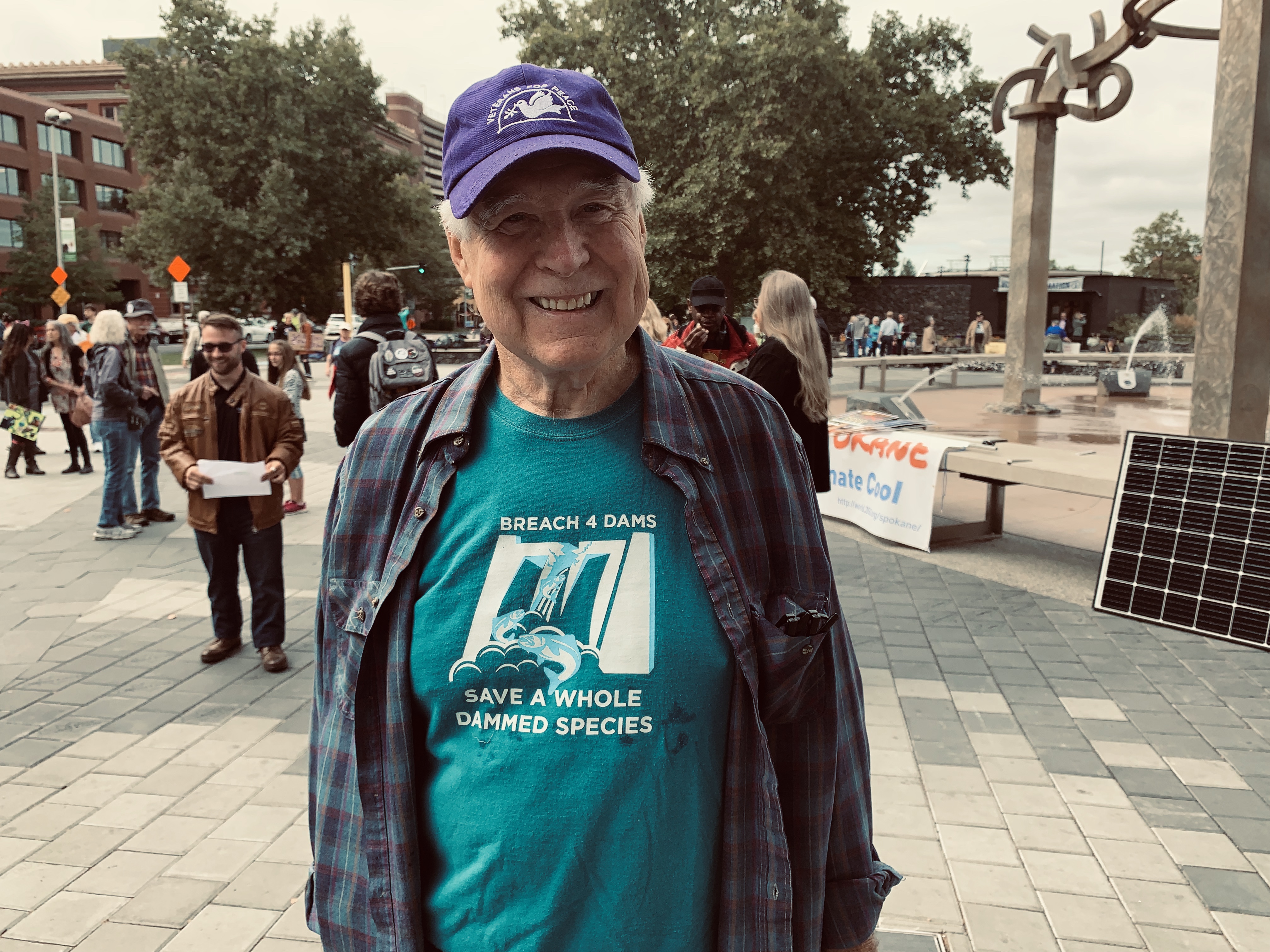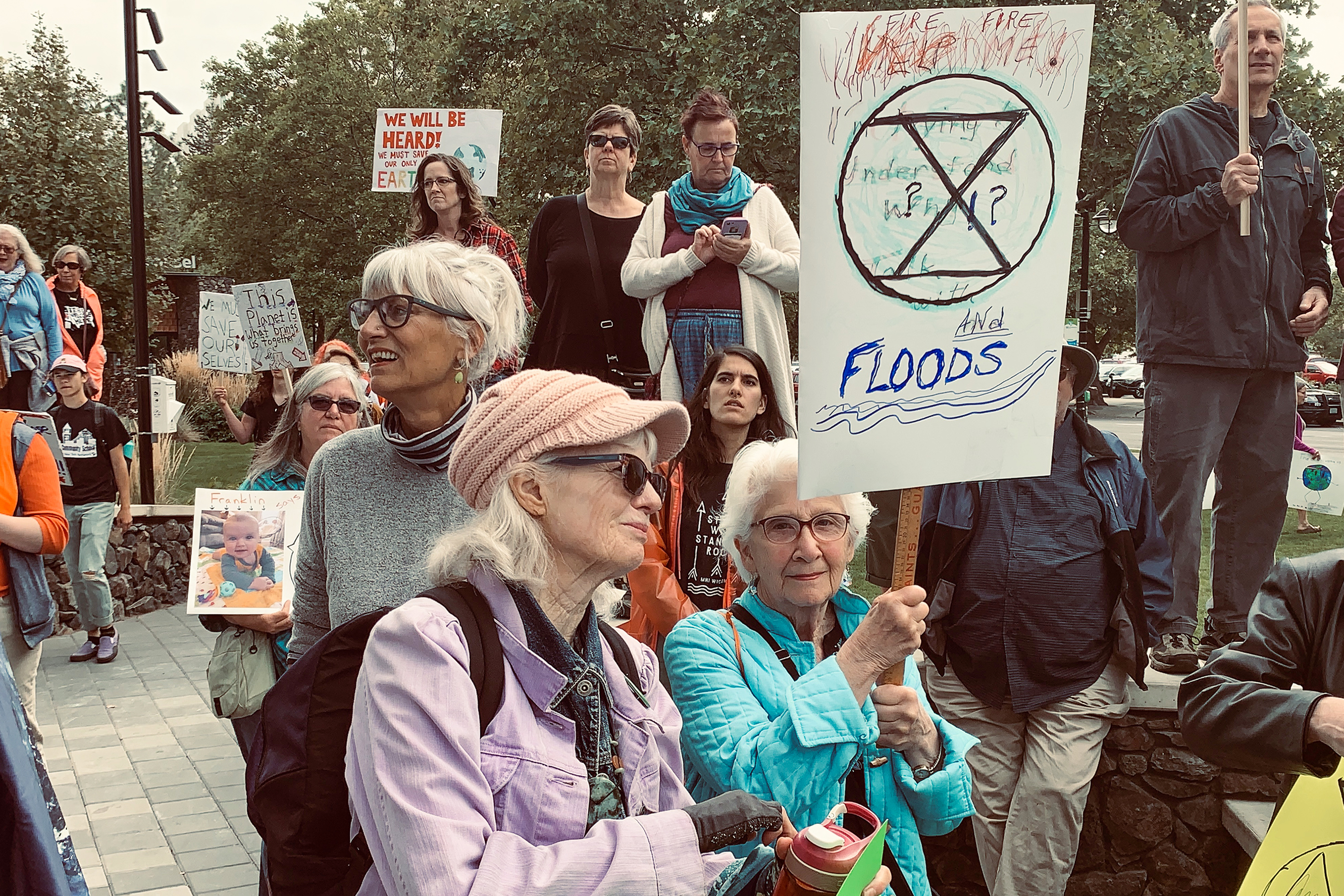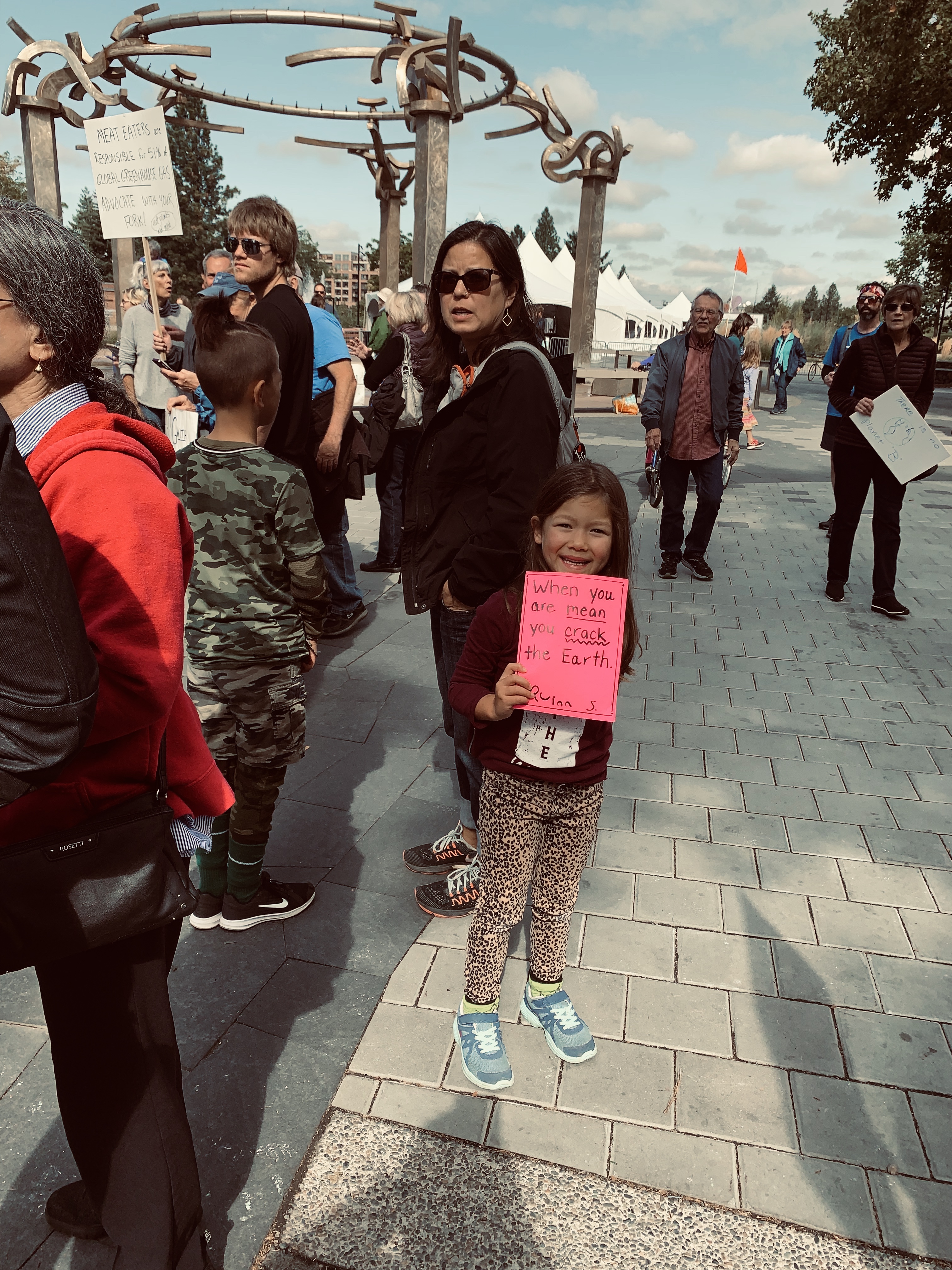
NO FUEL = NO WAR Protest Fairchild Air Force Base
Reply

In times like these, when government may not be supportive of us, it is important that we use every communication vehicle available. Many of us are wondering, what is it that we can do to protect our families and community when our government does not care.
When democracy is being stolen by the elected president and a billionaire that bought him the election what are the tools of resistance that are nonviolent?
When democracy is undermined by an elected leader and powerful financial backers, nonviolent resistance becomes a critical tool for citizens to reclaim their rights and protect democratic institutions. Research and historical evidence show that nonviolent methods are often more effective than violent ones in achieving lasting political and social change. Below are some key tools and strategies for nonviolent resistance:


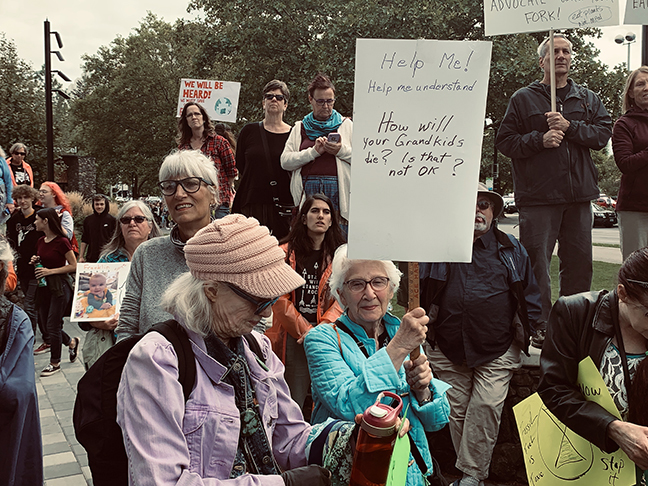
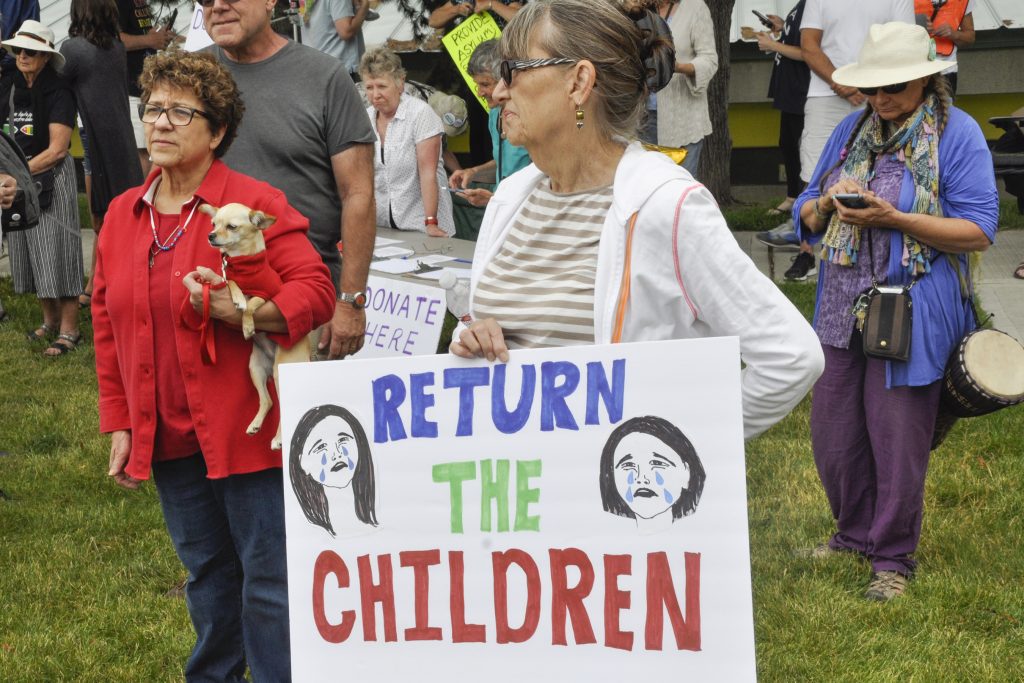
Organizing peaceful protests and demonstrations is one of the most visible and impactful ways to resist authoritarianism. Large-scale, sustained protests can draw attention to the erosion of democracy and pressure those in power to change course. For example, movements like the Civil Rights Movement in the U.S. and the People Power Revolution in the Philippines successfully used mass mobilization to achieve democratic reforms.
Civil disobedience involves deliberately breaking unjust laws or refusing to comply with government policies that undermine democracy. This can include actions like boycotting government programs, refusing to pay fines, or staging sit-ins. Such acts disrupt the normal functioning of an illegitimate regime and highlight its lack of moral authority.
Uniting diverse groups—across political, social, and economic lines—creates a stronger resistance movement. Broad coalitions can amplify the voices of marginalized communities and demonstrate widespread opposition to anti-democratic actions. This approach is emphasized in the “Democracy Playbook,” which outlines strategies for strengthening democratic institutions and resisting illiberal forces [1].

Efforts to protect and expand voting access are crucial in resisting democratic backsliding. This includes fighting voter suppression, ensuring fair elections, and educating citizens about their voting rights. Organizations like the ACLU have highlighted the importance of combating disenfranchisement and ensuring that elections remain free and fair.
Using social media, independent journalism, and other communication tools can help spread awareness, counter disinformation, and mobilize support. Activists can use these platforms to expose corruption, document abuses, and share stories of resistance. However, it is essential to verify information and avoid spreading misinformation, which can undermine the movement’s credibility.
Refusing to cooperate with leaders or institutions that undermine democracy can weaken their power. This can include strikes, boycotts, or resignations from government positions. Non-cooperation disrupts the functioning of an authoritarian regime and demonstrates widespread dissent.


Participating in nonviolent resistance training can equip activists with the skills and strategies needed to resist effectively. Democracy training programs prepare individuals to respond to undemocratic power grabs and organize collective action.
Strengthening and supporting independent institutions, such as the judiciary, media, and civil society organizations, is vital for resisting authoritarianism. These institutions act as checks on power and provide avenues for accountability [1].
Opposition movements often lack the resources to effectively challenge entrenched power. Providing financial and logistical support to these groups can help level the playing field and ensure they are prepared to advocate for democratic governance.

Building alliances with international organizations, governments, and activists can bring global attention to the erosion of democracy and apply external pressure on authoritarian leaders. This can include sanctions, diplomatic efforts, or public campaigns to hold leaders accountable.


Research by Harvard Professor Erica Chenoweth shows that nonviolent resistance is more likely to succeed than violent campaigns. Nonviolent movements are more inclusive, attract broader participation, and are less likely to provoke violent crackdowns that alienate the public.
By employing these tools, citizens can resist the erosion of democracy and work toward restoring a government that reflects the will of the people.


Jerry LeClaire email list:
https://jerrysindivisible.substack.com
Bob Lloyd website
4comculture.com
Cynthia Hamilton’s local librarys discussion groups. Contact her for details. Bugsmind@comcast.net
Washington State Poor People’s Campaign
https://www.washingtonppc.org/

The 14 Principles: Can We Get Consensus On This?
If you agree with these principles, send your name and email address to info@4comculture.com.

 Would you like to visit our group before you start a coffee group like ours?
First Thursday Meeting At East Central Community Center Aug 2nd 10 AM 500 S Stone St.























Information on First Thursday Coffee Discussion
 Can We Get Consensus On The This
We believe in justice for all
We believe in lifting up the disadvantaged
We believe in dismantaling unjust criminalization systems
We believe in equal protection under the law
We believe in ending poverty
We believe in ending systemic racism
We believe in a moral narrative that is concerned with
how society treats the marginalized
We believe in transforming the political, economic, and
moral structures of our society
We believe in working toward non-partisan goals
We believe in sustained moral direct action
We believe in nonviolence
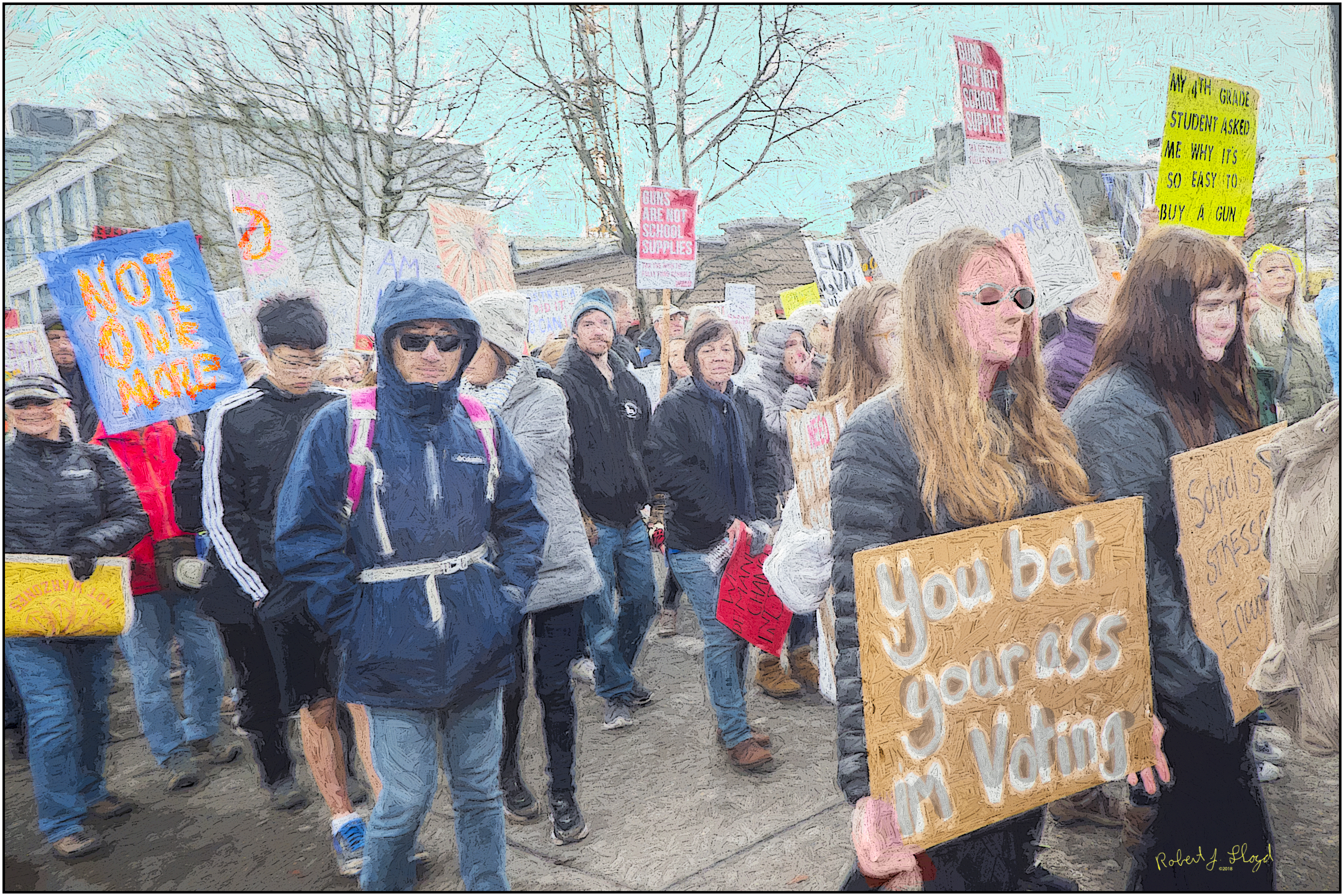 Turbulent times are upon us. Already blockades, demonstrations, riots and clashes are occurring regularly. It’s time to be organizing.
But getting organized doesn’t mean joining a pre-existing institution and taking orders. It shouldn’t mean for feiting your agency and intelligence to become a cog in a machine. Organizational structure should maximize both freedom and voluntary coordination at every level of scale, from the smallest group up to society as a whole.
You and your friends already constitute an affinity group, the essential building block of this model. An affinity group is a circle of friends who understand themselves as an autonomous political force. The ideal is that people who already know and trust each other should work together to respond immediately, intelligently and flexibly to emerging situations.
This leaderless format has proven effective for political and civic activities of all kinds, as well as other tactics in which many unpredictable autonomous groups overwhelm a centralized adversary. You should go to every demonstration in an affinity group, with a shared sense of your goals and capabilities. If you are in an affinity group that has experience taking action together, you will be much better prepared to deal with emergencies and make the most of unexpected opportunities.
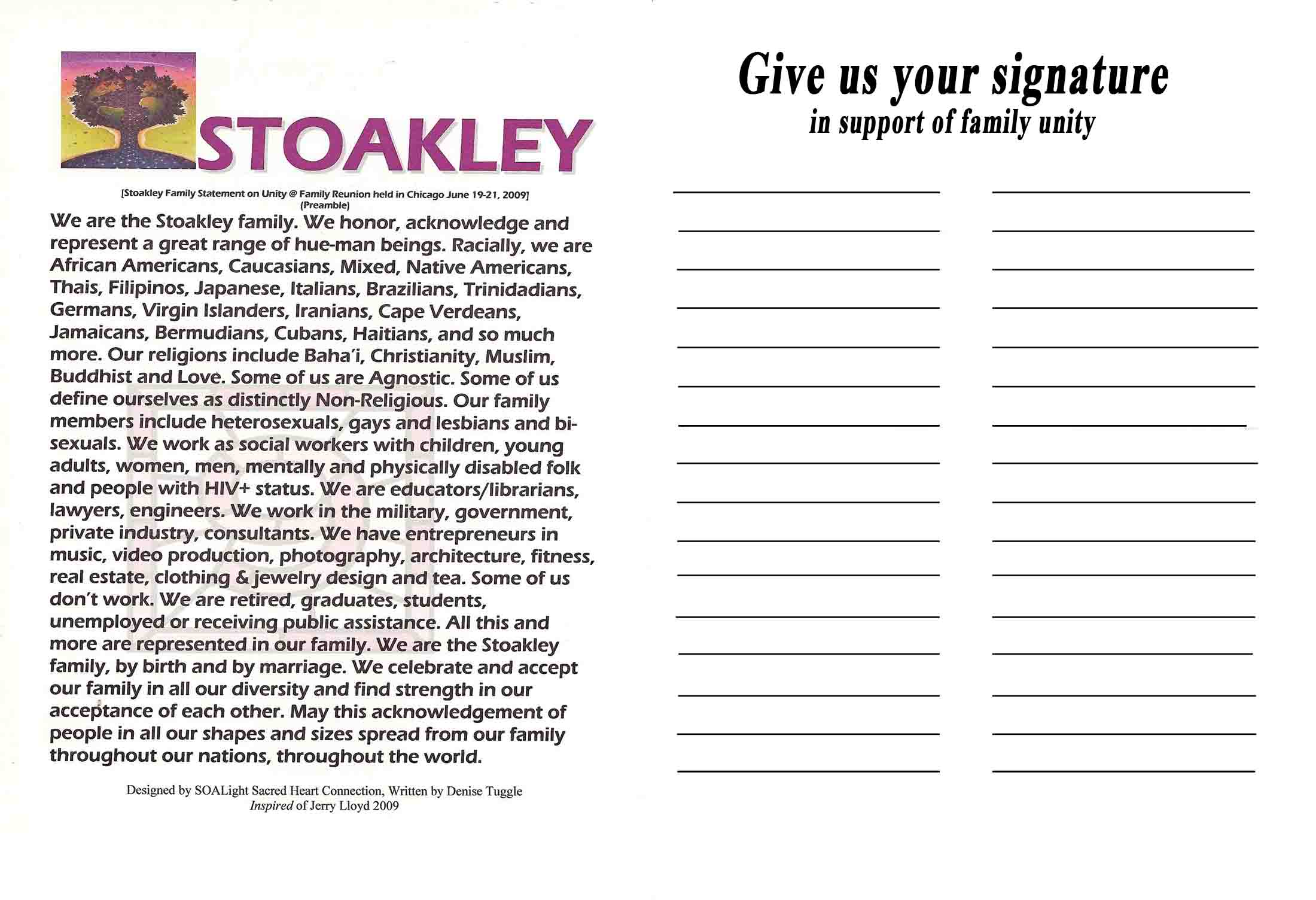
This weekend we will be at your family reunion. They will be asked to sign this statement on family unity. What if you asked your families and Online friends to join the Stoakley’s we can change the world.
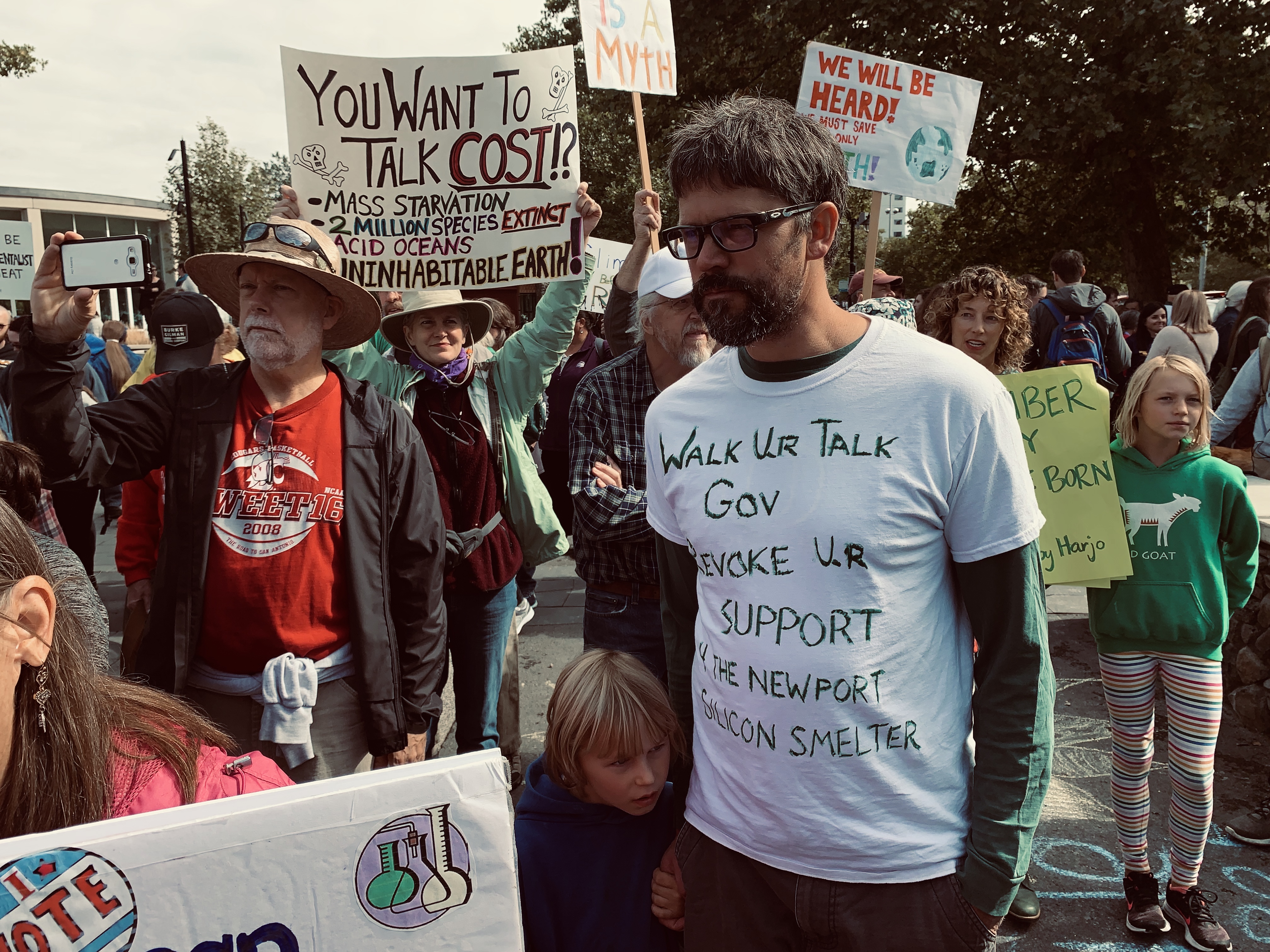
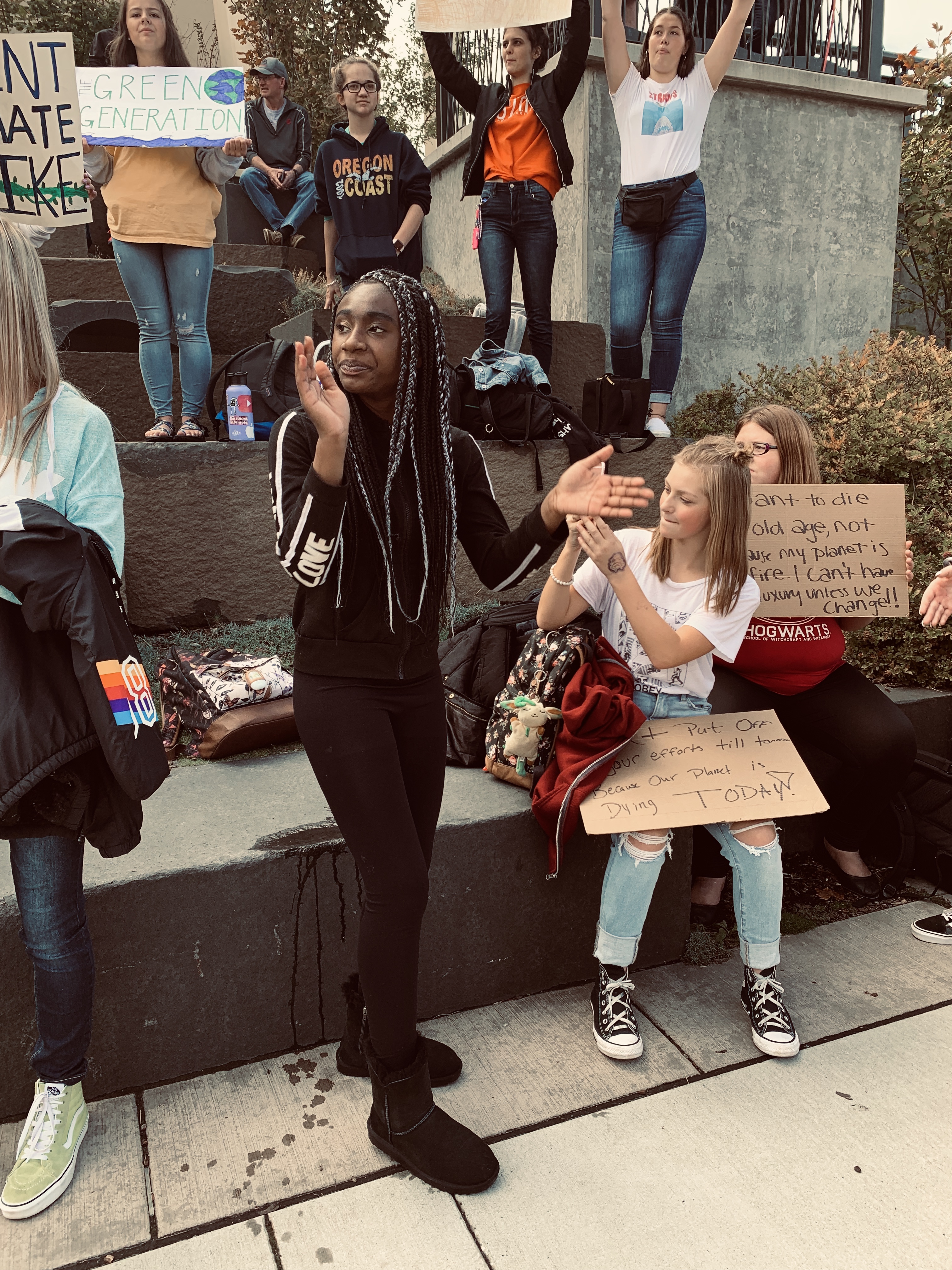
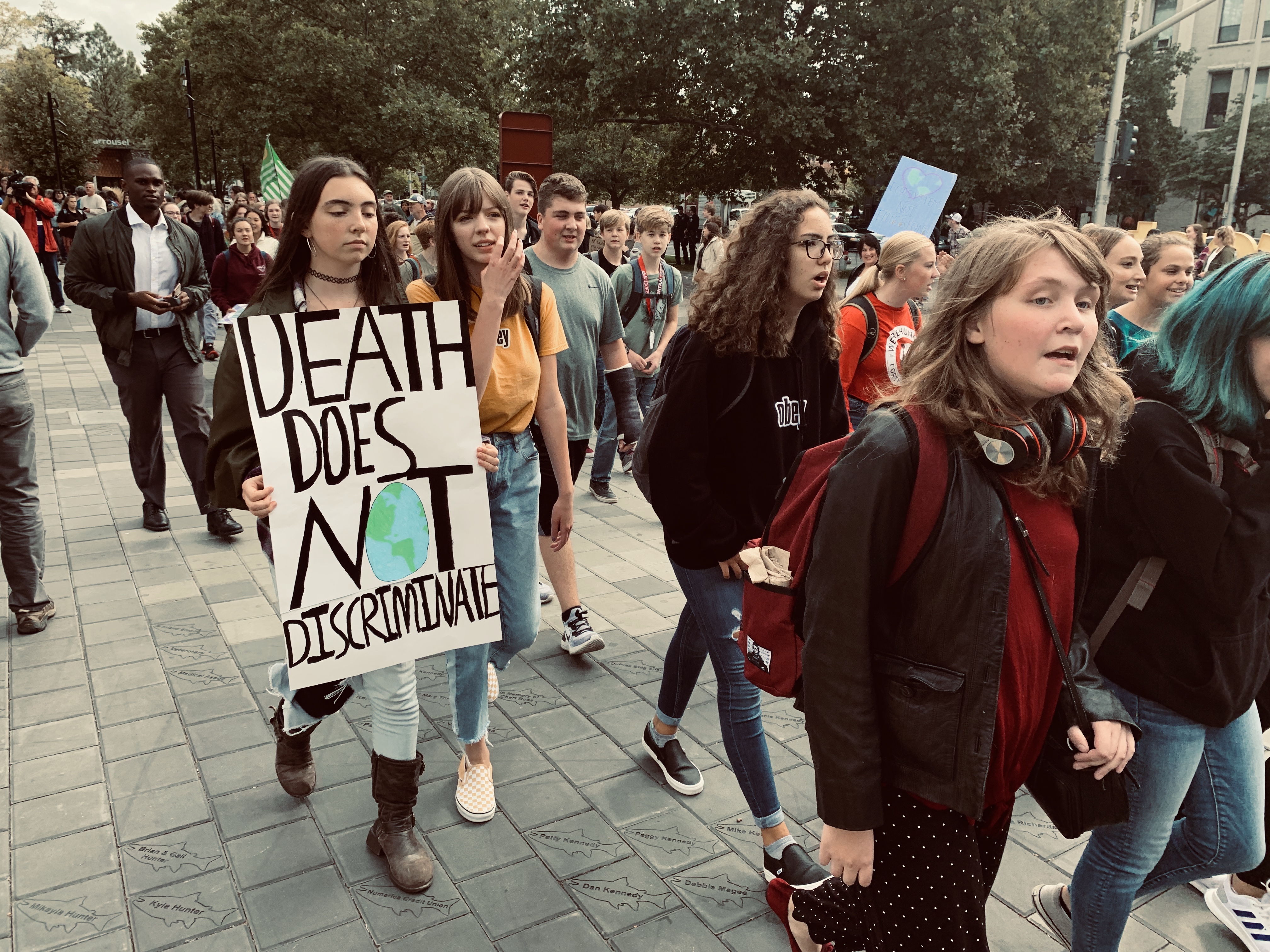
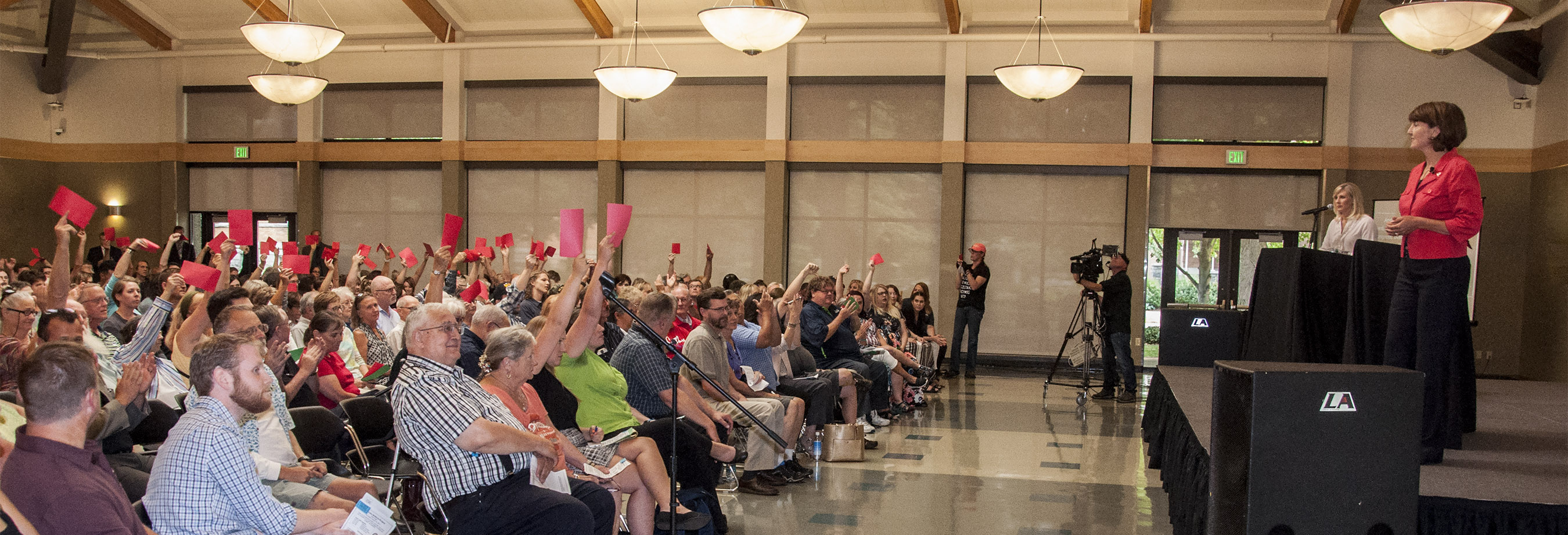
75% of the constituents waved red cards in disapproval of her answers. Others protested and carried signs outside.
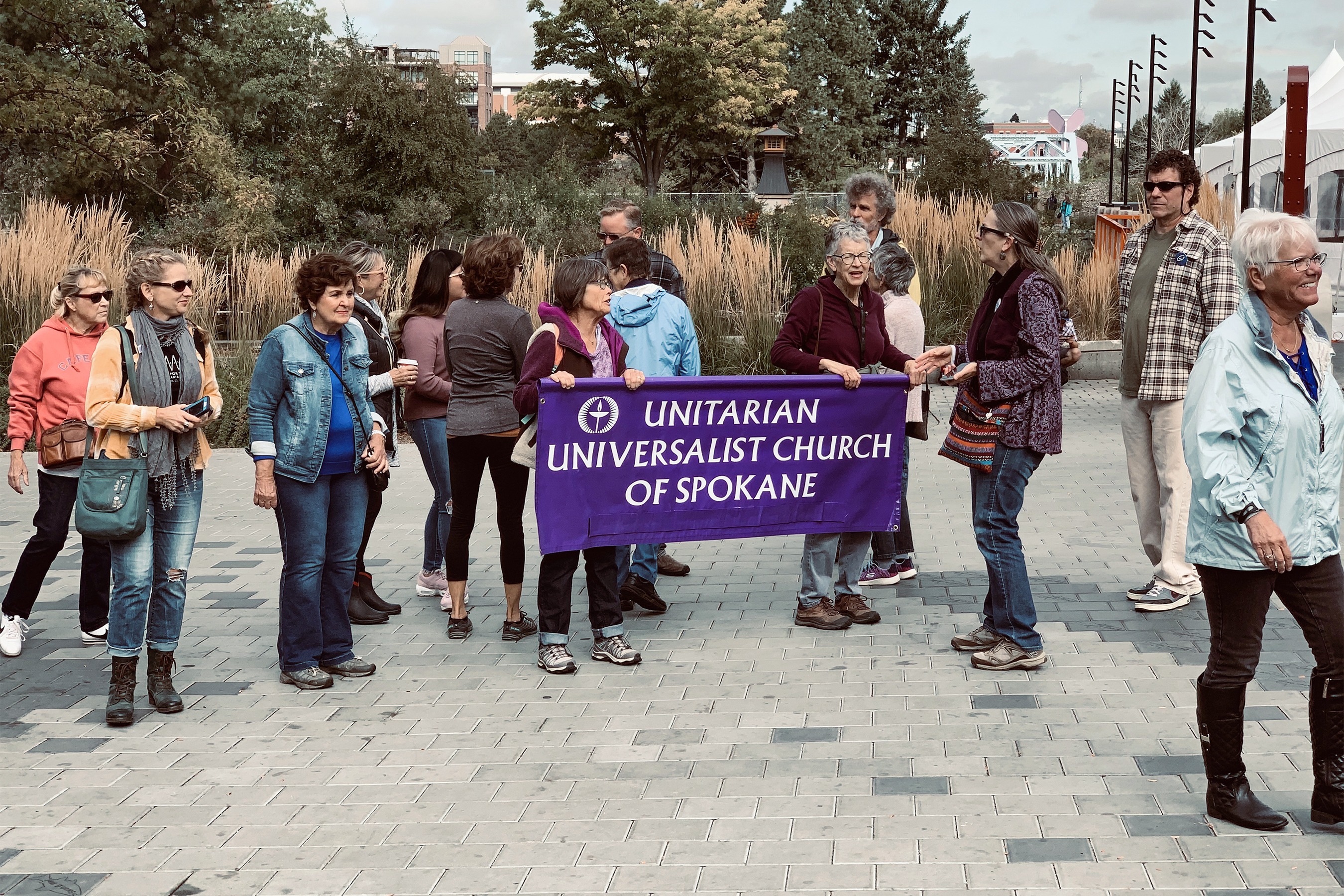
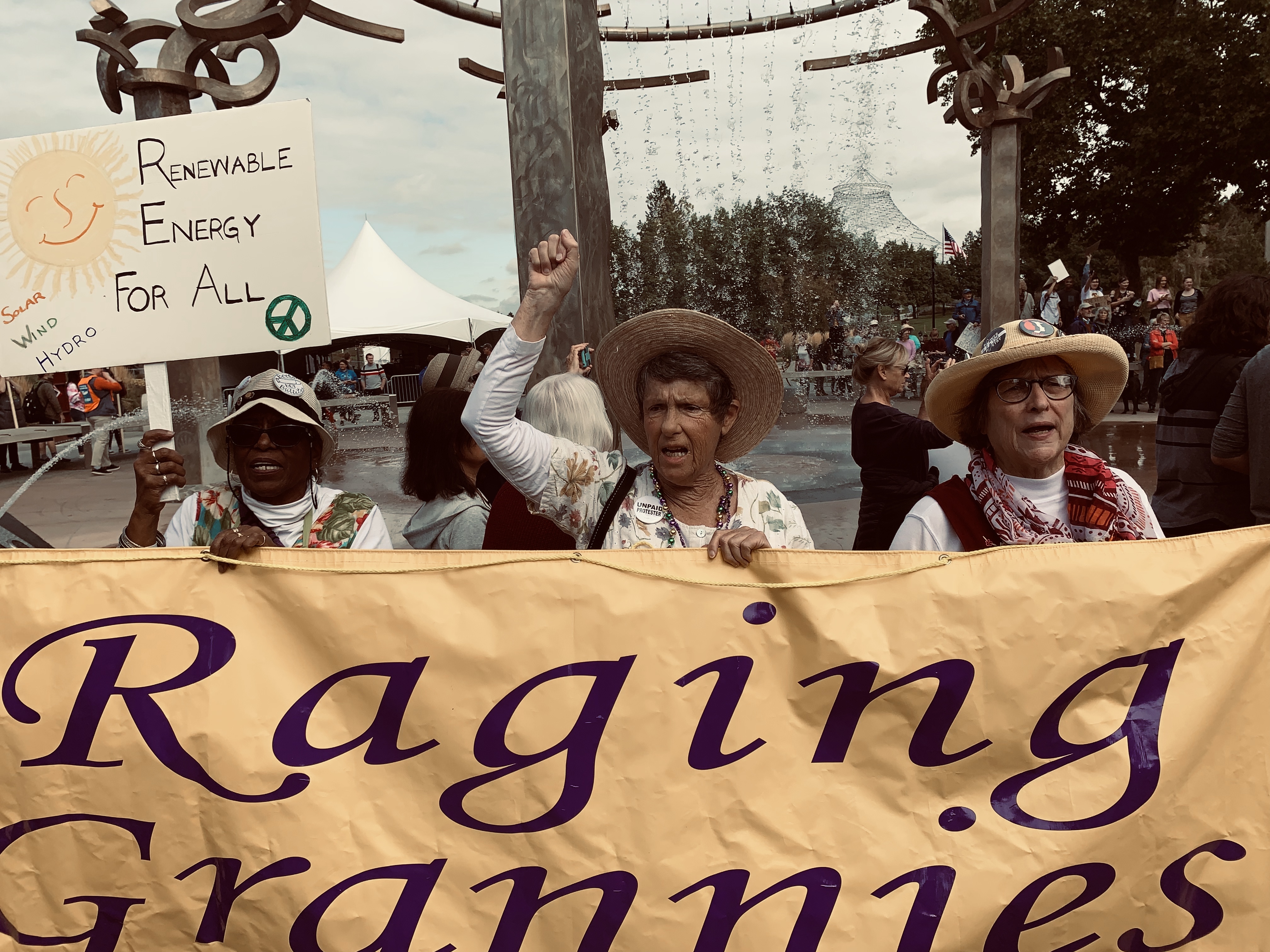
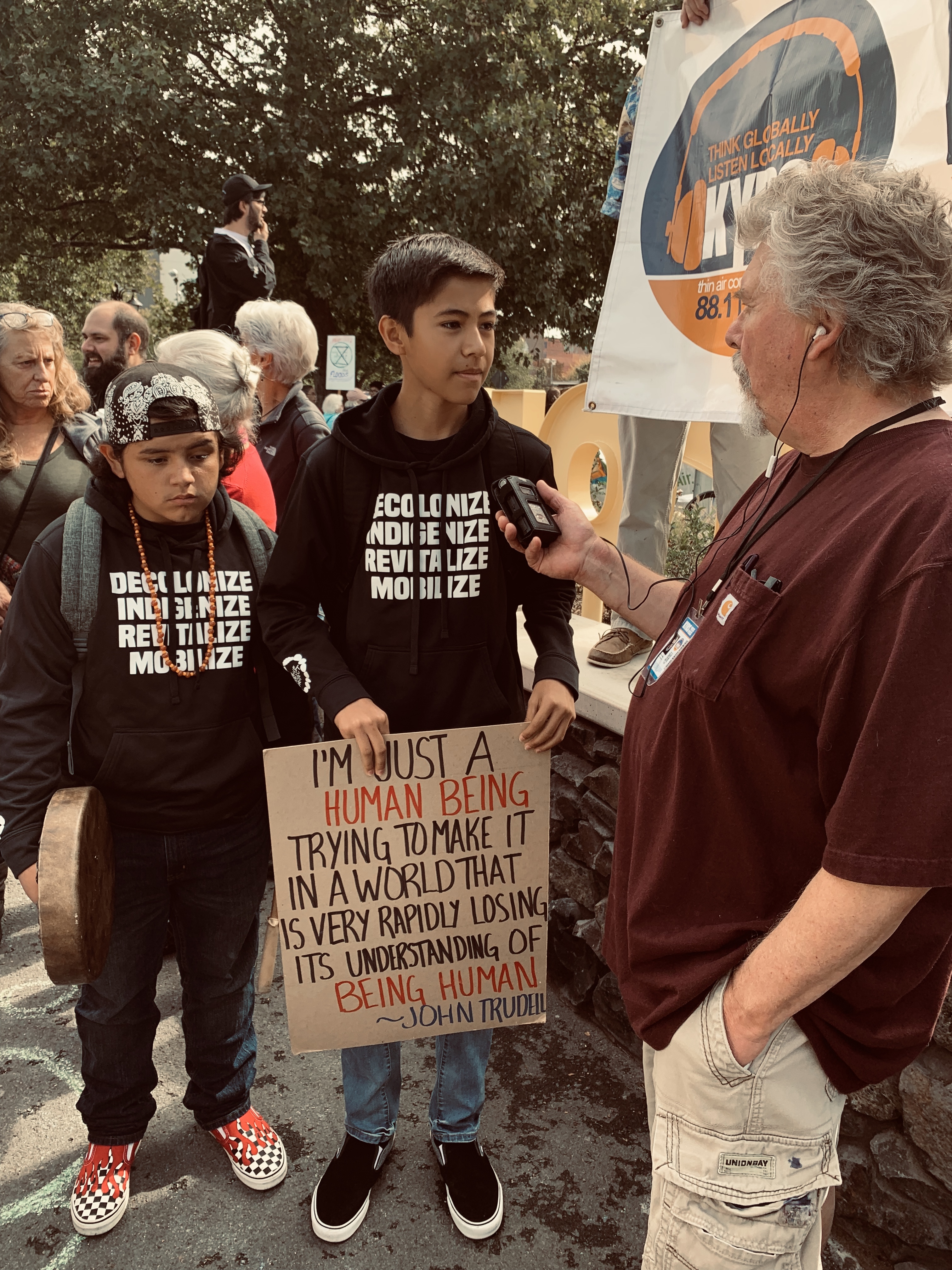
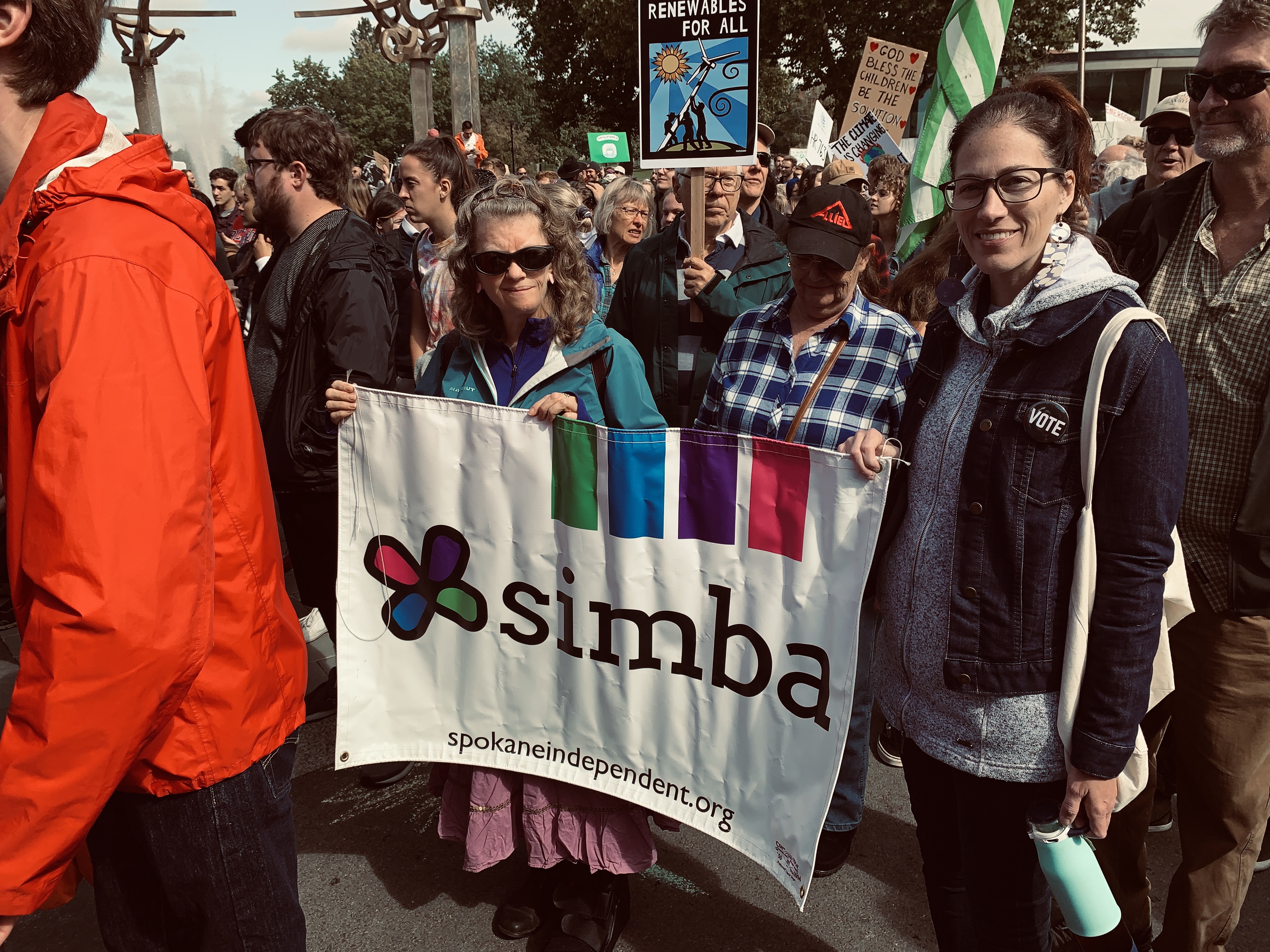
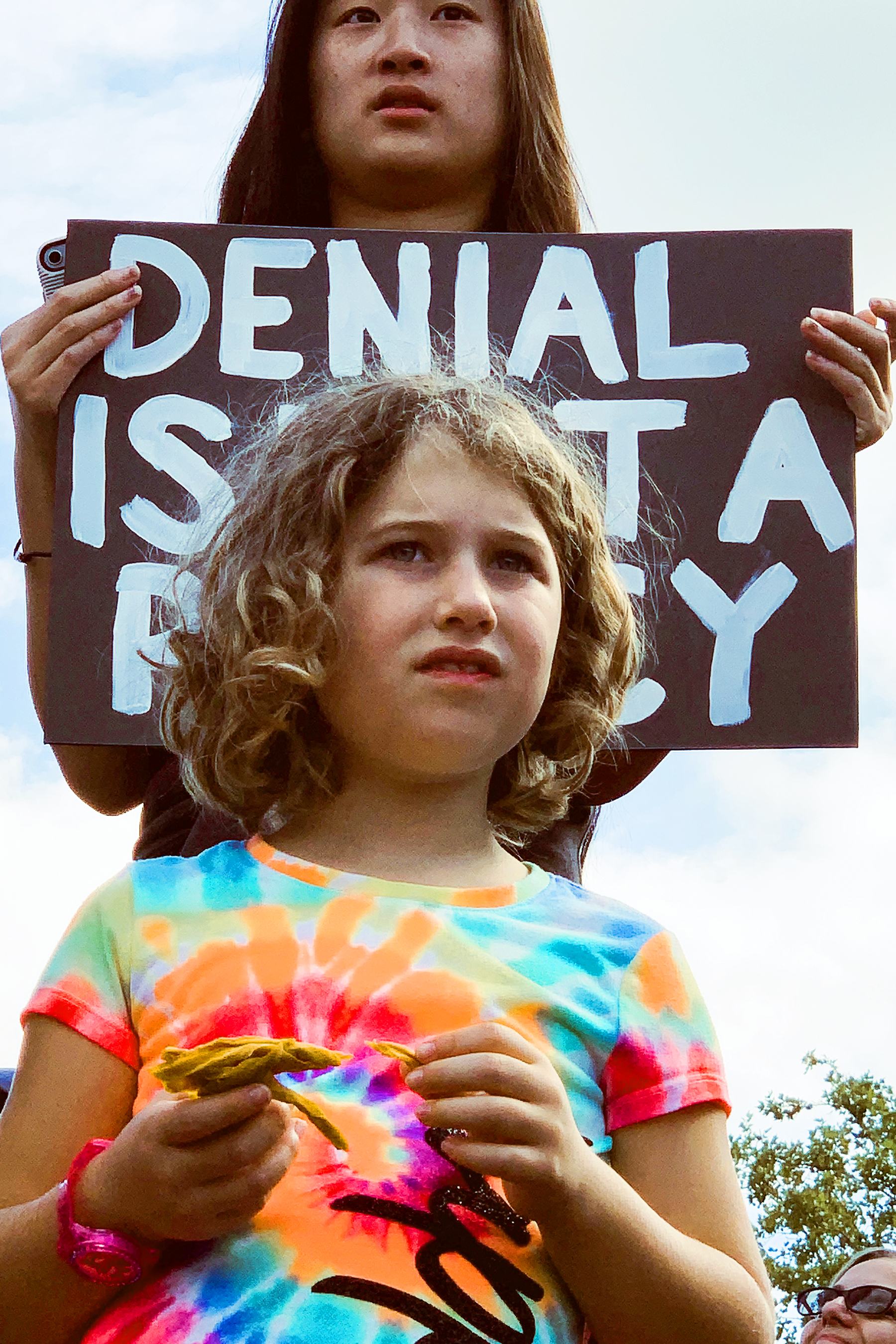
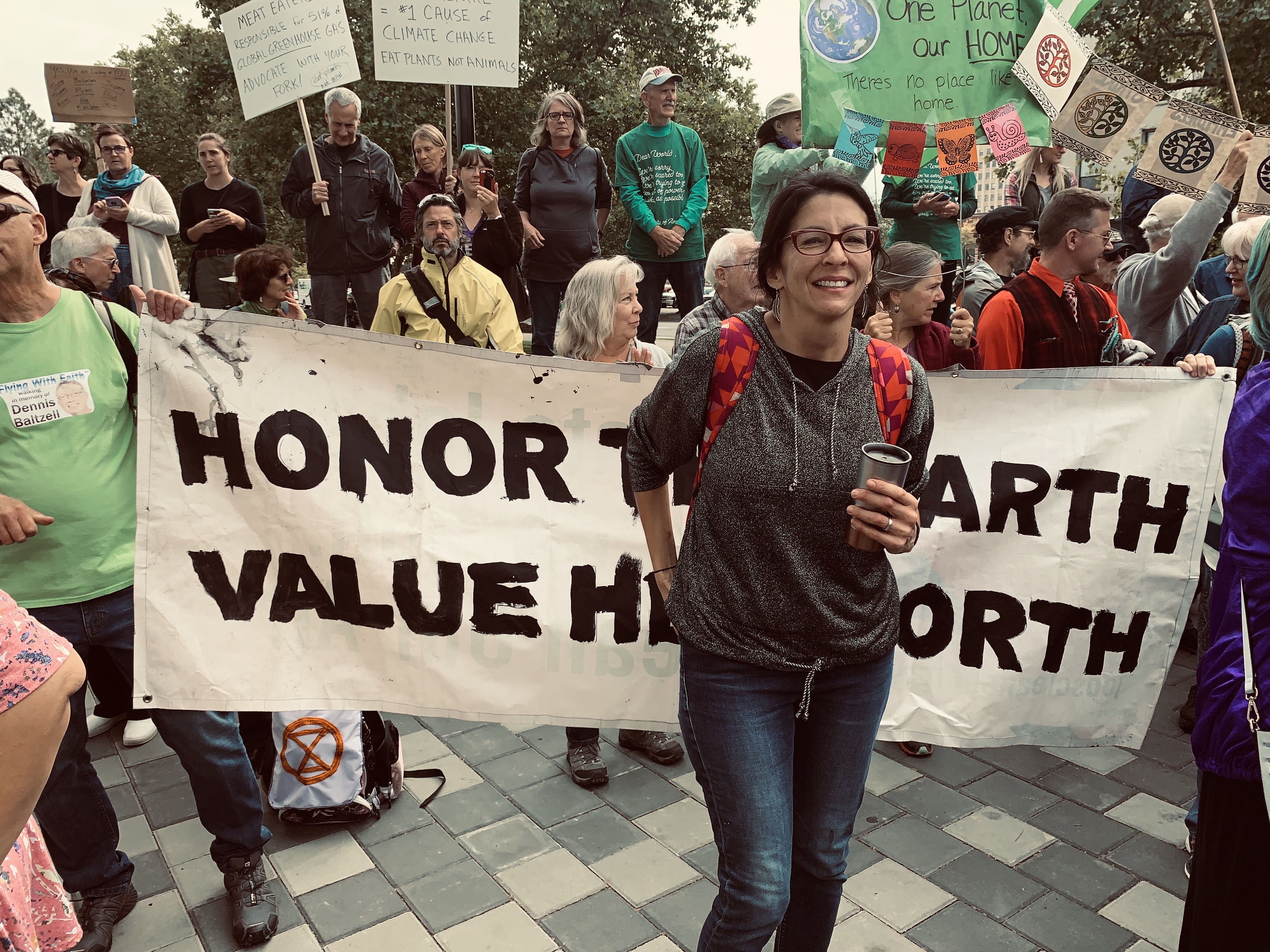
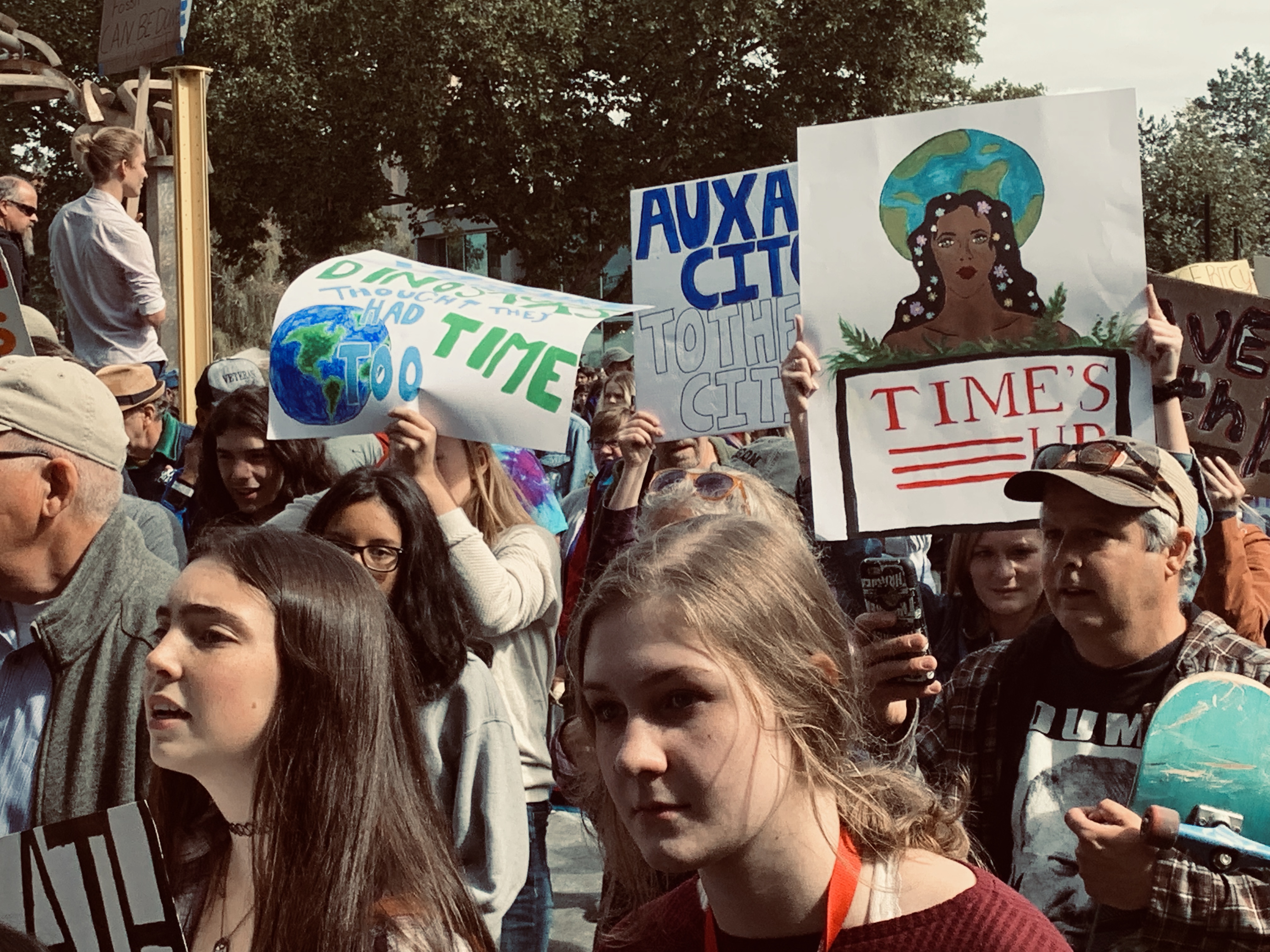
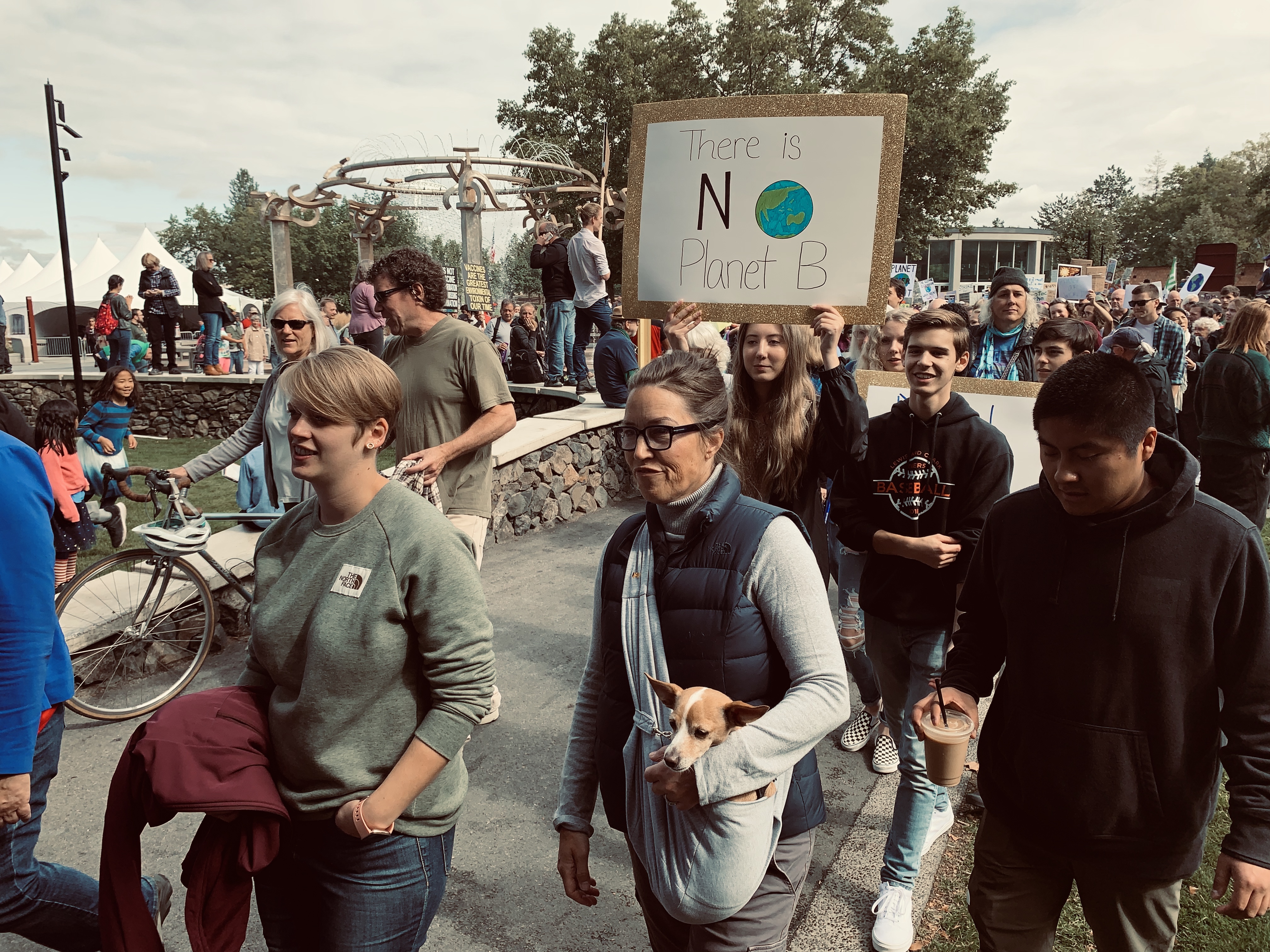
 Enjoying the photographs won’t bring change. If you are interested in change click the link:
https://4comculture.com/empowerment/local-action-in-spokane-how-do-i-get-involved
Cathy McMorris Rodgers Town Hall Video:
https://www.facebook.com/ksps/videos/vb.60581587193/10154911576702194/?type=2&theater
Maria Cantwell Town Hall Video:
https://www.facebook.com/senatorcantwell/videos/1987392528204307/
Who Showed Up at Maria Cantwell’s Town Hall?
https://4comculture.com/archives/11220
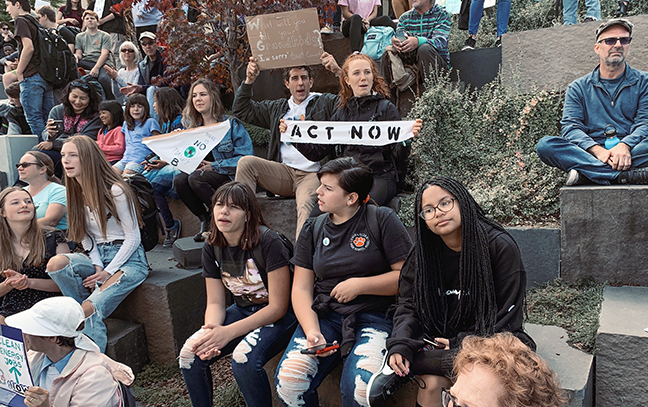
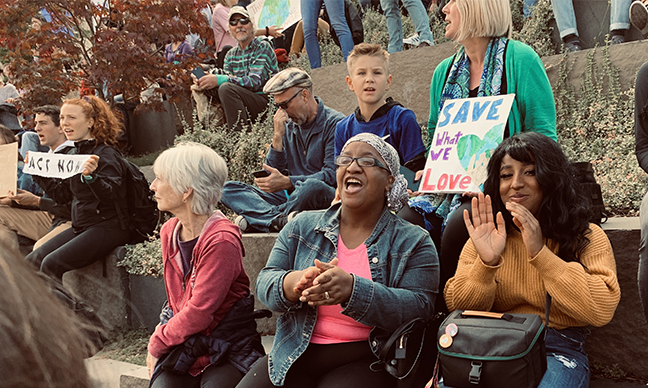
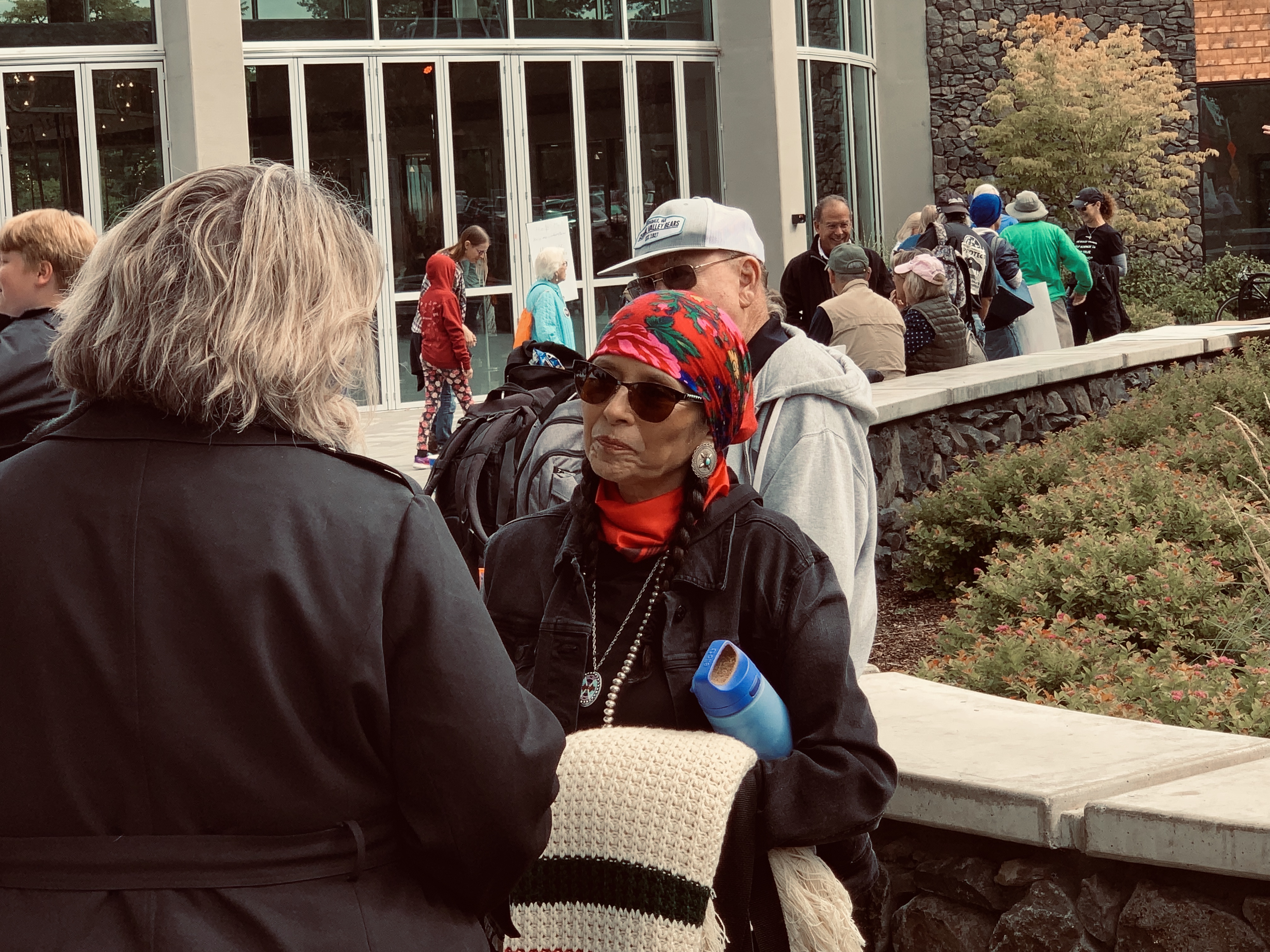
As you view photographs of activities here in Spokane on 4comculture.com you may notice that there are very few people of color or affected classes.
WHY? Let us know in the Contacts / Comments form below.